Dental health is more than just flashing a bright smile. It’s an indicator of our overall wellness, intricately linked with our self-confidence and identity. Dental bone grafting, though a term unfamiliar to many, is a game-changer in the world of dentistry. Here’s a journey through its nuances.
Basics of Dental Bone Grafting
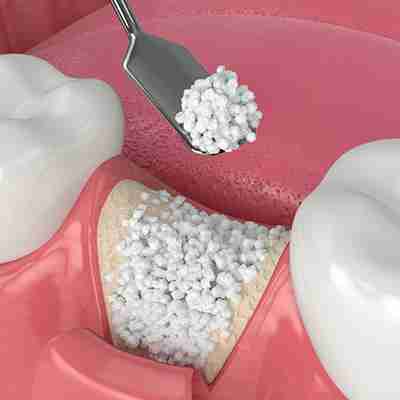
Have you ever wondered about the solution to bone loss in your jaw? Dental bone grafting offers an innovative approach. Essentially, it’s a procedure that replaces missing bones with material from the patient’s body or a synthetic source. The goal? To prevent bone loss after a tooth extraction or prepare the jaw for dental implants.
Types of Bone Grafts
There are primarily three types:
Autografts: Using the patient’s bone.
Allografts: Using a deceased donor’s bone.
Xenografts: Using animal bone, typically bovine.
Materials Used in Bone Grafting
Traditionally, a graft involved bone from another part of the patient’s body. However, advancements have introduced synthetic options that are biocompatible and equally effective.
The Procedure of Dental Bone Grafting
From the initial assessment to the post-operative care, understanding the process demystifies many concerns prospective patients might have.
Pre-operative Assessment
Before undergoing the surgery, dentists ensure the patient’s overall health status is suitable for the procedure. This includes X-rays, oral examinations, and health history evaluations.
Steps in the Surgical Procedure
The surgery involves:
Administering local anesthesia.
Making an incision in the gum to access the bone.
Placing the grafting material.
Securing the graft with a membrane, followed by stitching the incision.
Post-operative Care and Recovery
Taking care of the graft is crucial for its success. Recommendations include avoiding certain foods, maintaining oral hygiene, and regularly visiting the dentist for check-ups.
Benefits of Dental Bone Grafting
From functional to aesthetic benefits, bone grafting has made dental transformations possible.
Preserving Jaw Structure
A graft can effectively prevent the jawbone from receding after a tooth extraction, ensuring a more youthful appearance.
Enabling Dental Implants
Without sufficient bone, placing a dental implant is challenging. A graft provides the necessary foundation.
Enhancing Oral Aesthetics
A full jawline is often associated with beauty. Through grafting, you can maintain or even enhance your facial structure.
Potential Risks and Concerns
As with all surgical procedures, there’s a possibility of complications. Being aware helps in making informed decisions.
Common Side-effects
Though rare, some patients experience minor swelling, pain, or infection.
How to Handle Complications
If any discomfort persists, it’s vital to consult with your dentist promptly. Most complications can be addressed with timely intervention.
The Future of Dental Bone Grafting
The horizon of dental bone grafting is promising, with technological advancements making the procedure more accessible and efficient.
Real-life Experiences with Dental Bone Grafting
There’s power in personal stories. Hearing from those who’ve undergone the procedure can provide invaluable insights and inspiration.
FAQs on Dental Bone Grafting
How long does it take to recover from bone grafting?
Typically, patients recover within a few weeks. However, the bone might take months to develop fully.
Is bone grafting painful?
Thanks to modern anesthesia, the process is virtually painless. Some discomfort can be expected during recovery, but it’s generally manageable.
How much does bone grafting cost?
The cost varies based on the type of graft and geographical location. It’s best to consult with local dental clinics for precise figures.
Can I undergo bone grafting if I have chronic diseases?
Each case is unique. A thorough health evaluation by your dentist will determine your eligibility.
Is bone grafting permanent?
Yes, once the bone graft integrates with your natural bone, it’s considered permanent.
Are there any alternatives to bone grafting?
Some alternatives like short implants exist, but the suitability depends on individual cases.
Conclusion and Final Thoughts
Dental bone grafting stands as a testament to how far modern dentistry has come. Its transformative power, coupled with an ever-evolving landscape of technological advancements, heralds a brighter, healthier future for dental patients worldwide.
Dental bonding has been a cornerstone in cosmetic dentistry for many decades. It’s fascinating how history of dental bonding traces back to the quest for creating the perfect smile. Over the years, its techniques have been refined, making it a popular choice today for those seeking minor cosmetic dental improvements.
Before diving into the procedure, it’s crucial to know what to expect during your initial consultation. Your dentist will assess if dental bonding is the right solution for your needs and discuss the potential outcomes.
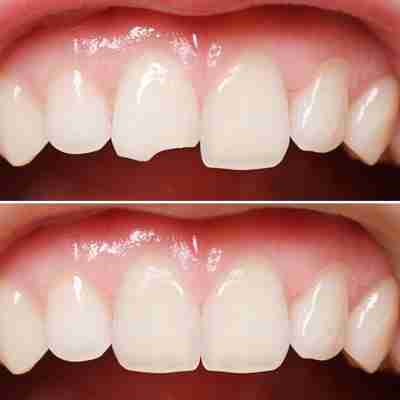
Next comes the actual bonding process. Here, a tooth-colored resin is applied to the affected tooth, sculpted into shape, hardened with light, and polished for a shiny finish.
After the procedure, there are certain after-care steps to ensure the longevity and health of the bonded tooth.
Advantages of Dental Bonding
For many, dental bonding is a godsend. Its quick and minimally invasive nature means less time at the dentist. As a cost-effective solution, it offers aesthetic perfection without breaking the bank. Moreover, its natural look and feel ensure that no one can spot the difference!
Disadvantages of Dental Bonding
However, every coin has two sides. Dental bonding may not always be as durable as other treatments. Over time, there might be some limitations in color matching as your natural teeth change shade. Also, bonded teeth require certain maintenance requirements to prevent staining or chipping.
Comparing Dental Bonding
How does dental bonding stack up against veneers or dental crowns? Or even dental fillings? Each treatment has its merits, and it’s essential to know where dental bonding shines and where other treatments might be more suitable.
Dental Bonding Costs
One can’t avoid the money talk when it comes to dental procedures. The factors affecting the price range from the dentist’s expertise to your geographic location. It’s also worth exploring how insurance coverage plays into the cost equation.
Maintaining Bonded Teeth
Keeping your bonded teeth in tip-top shape requires a bit of dedication. Regular checkups are a must, and there are certain foods to avoid to prevent staining. But fret not, by following the best oral hygiene practices, your bonded teeth can shine for years!
Who is an Ideal Candidate?
Before jumping on the dental bonding bandwagon, understand the suitability criteria. While many can benefit from this procedure, there are specific cases where one should avoid dental bonding.
Real-life Stories
Hearing about success tales is always heartwarming. Many have transformed their smiles and confidence thanks to dental bonding. These stories highlight the potential and versatility of this procedure in overcoming dental challenges.
Typically, with proper care, dental bonding can last anywhere from 4 to 8 years.
How do I care for my bonded teeth?
Regular brushing, flossing, and dental check-ups, coupled with avoiding stain-causing foods and beverages, can help prolong the life of your bonded teeth.
Is the dental bonding painful?
Most patients experience minimal to no discomfort during the dental bonding procedure.
Can bonded teeth be whitened?
No, bonded teeth don’t respond to whitening treatments the way natural teeth do. It’s best to whiten your teeth before undergoing bonding.
How long does the dental bonding take?
Typically, dental bonding takes about 30 to 60 minutes per tooth.
Are there any risks associated with dental bonding?
While generally safe, there’s a slight risk of the bonding material chipping or separating from the tooth.
Conclusion
Dental bonding offers a blend of aesthetics and functionality, making it a preferred choice for many. Whether you’re looking to fix a chipped tooth or close a gap, it might be the solution you’ve been searching for. It’s always wise to consult with a dental professional to ensure it’s the right choice for your specific needs.
Optimally balancing the importance of Indigenous People’s Day and the realm of dentistry, this article sheds light on their unique interrelation and the significance it holds in today’s world.
Indigenous People’s Day and Dentistry
Indigenous People’s Day, celebrated by many as a way to honor the rich history, culture, and contributions of indigenous peoples, is more than just a day of acknowledgment. When delved deeper into its essence, intriguing connections surface, especially when juxtaposed with the realm of dentistry. The history, traditions, and modern-day struggles of indigenous communities provide a unique perspective on dental health and care.
The Origin of Indigenous People’s Day
The inception of Indigenous People’s Day roots back to the desire to recognize the sufferings and contributions of the indigenous communities. But what has this got to do with dentistry?
The Historical Backdrop
The indigenous communities have always emphasized holistic health, with oral health being no exception. Their traditional methods, even in the absence of modern tools, prioritized dental care, showcasing a deep understanding of its importance.
Indigenous People’s Day vs. Columbus Day
While Columbus Day marks the arrival of Christopher Columbus in the Americas, Indigenous People’s Day seeks to shed light on the native inhabitants’ history, including their ingenious dental practices that have influenced modern dentistry.
Dentistry Among Indigenous Communities
A Glimpse into Traditional Dental Care
From using chew sticks for cleaning teeth to relying on herbal remedies for toothaches, indigenous methods have always been innovative. These traditional practices laid the foundation for several dental treatments we see today.
The Modern Impact of Indigenous Oral Practices
Modern dentistry owes a lot to indigenous practices. The herbs they identified for pain relief and oral hygiene are now active ingredients in many dental products.
Indigenous People’s Day and Dentistry: A Unique Intersection
Celebrations and Recognitions
Every Indigenous People’s Day, communities and organizations come together to celebrate not only their culture but also their unique relationship with health and dentistry. Workshops, seminars, and campaigns emphasize the importance of dental health.
Dental Health Initiatives on Indigenous People’s Day
Many dental clinics offer free check-ups, awareness campaigns, and services to indigenous communities on this day, bridging the gap between modern and traditional practices.
The Current State of Dental Health in Indigenous Communities
Challenges in Access and Affordability
Despite their rich history in dental practices, indigenous communities face challenges accessing modern dental care due to geographical, financial, and cultural barriers.
Success Stories: Improving Dental Health
In recent years, initiatives to improve access to dental care for indigenous communities have seen success. From mobile dental clinics to cultural competency training for dental professionals, strides are being made.
Herbal Remedies and Dental Practices of Indigenous Tribes
Nature’s Dental Toolkit
Indigenous tribes have long relied on nature for dental care. Ingredients like neem, clove, and aloe vera, pivotal in their oral care rituals, are now widely recognized for their dental benefits.
The Influence on Modern Dentistry
Understanding the potency of these natural remedies, modern dentistry has incorporated them into treatments and products, affirming the wisdom of indigenous tribes.
Raising Awareness: The Importance of Dental Health
Dentistry and Its Societal Implications
The state of one’s dental health often mirrors societal conditions. For indigenous communities, this stands true as dental health becomes an indicator of access to resources, education, and awareness.
Advancements and their Impacts
Technological advancements in dentistry have the potential to revolutionize dental care in indigenous communities, but they need to be made accessible.
Partnerships Between Dentists and Indigenous Communities
Outreach Programs and Initiatives
Numerous dental professionals are now partnering with indigenous communities, providing training, resources, and services. This collaborative approach is promising for the future of dental health among these communities.
Cultural Sensitivity in Dental Practices
Dentists are now being trained to be culturally sensitive, ensuring that indigenous patients feel understood and respected during treatments.
Dental Scholarships and Programs for Indigenous Students
Encouraging Higher Education in Dental Fields
Scholarships and grants are now available for indigenous students aspiring to join the dental field, ensuring a more inclusive future for the profession.
Success Stories of Indigenous Dental Professionals
Many indigenous dental professionals are making their mark, serving as inspiration for aspiring students and bridging the gap between their communities and modern dentistry.
Indigenous People’s Day: A Call to Action for Dentists
The Role of Dental Professionals
Dental professionals have a pivotal role in enhancing the dental health of indigenous communities, not just on Indigenous People’s Day, but every day.
Contributing to the Well-being of Indigenous Communities
By offering their expertise, resources, and time, dentists can make a substantial difference in the lives of indigenous individuals.
FAQs
How have indigenous practices influenced modern dentistry?
Indigenous practices, primarily their use of natural remedies and techniques, have paved the way for many treatments and products in modern dentistry.
Why is dental health a significant concern for indigenous communities?
Dental health, for indigenous communities, is indicative of broader societal issues like access to resources, education, and awareness.
What are some indigenous dental remedies?
Herbs like neem, clove, and aloe vera have been staples in indigenous dental care, known for their therapeutic properties.
How can dentists assist indigenous communities?
Dentists can collaborate with these communities, offering training, resources, and services, ensuring better dental health and bridging the cultural gap.
Are there scholarships for indigenous students in dentistry?
Yes, numerous scholarships and grants support indigenous students aspiring to join the dental field.
What is the significance of Indigenous People’s Day in dentistry?
It serves as a reminder of the unique connection between indigenous practices and modern dentistry and the importance of ensuring dental care access for these communities.
Conclusion
The nexus between Indigenous People’s Day and dentistry underscores the profound impact of indigenous practices on modern dental care. As we celebrate the contributions and history of indigenous communities, it’s paramount to also recognize and address their dental health needs, ensuring a brighter, healthier future for all.
Apicoectomy, often deemed a last resort in endodontic treatments, is a fascinating procedure. While not as commonly discussed as root canals or tooth extractions, it holds a special place in dental care. This procedure, though intricate, is the shining armor for many patients who wish to save their natural teeth.
In simpler terms, an Apicoectomy involves the surgical removal of the root tip of a tooth and its surrounding infected tissue. This is typically done when a conventional root canal treatment doesn’t solve the problem. The aim? To preserve the natural tooth and prevent further infections.
Origins of Apicoectomy
Like many medical procedures, Apicoectomy has a rich history. Rooted in early dentistry, this procedure has seen numerous refinements over the years. From crude methods in ancient times to today’s precise and advanced techniques, Apicoectomy has been a testament to the ever-evolving world of dental medicine.
When is an Apicoectomy Needed?
Not every dental issue calls for an Apicoectomy. Usually, it’s considered after a root canal has failed or if there’s persistent infection. Its need arises when infections hide in the minute branches off the main canal, often eluding traditional treatments.
Benefits of Apicoectomy
Beyond saving the natural tooth, Apicoectomy boasts a slew of benefits. It stops infections in their tracks, can prevent more invasive procedures like tooth extraction, and offers a high success rate, especially when performed by seasoned professionals.
Risks Associated with Apicoectomy
Though beneficial, like any surgery, it comes with its set of risks. These might include potential infections, damage to surrounding teeth, or nerve damage. However, with a competent specialist and proper post-op care, these risks are minimal.
The Procedure: Step by Step
Beginning with local anesthesia, the dentist makes a small incision in the gum near the tooth, exposing the underlying bone. The infected tissue, along with the tip of the root, is removed, and the end of the root is sealed. The area is then sutured to promote healing.
Preparing for an Apicoectomy
Preparation is key. This includes discussing any medications you’re on with your dentist, arranging for post-procedure transportation, and setting up a comfy recovery zone at home.
Recovery and Post-Op Care
Post Apicoectomy, patients might experience slight discomfort. Regular pain killers, prescribed antibiotics, and following dentist’s aftercare instructions usually do the trick. Also, regular check-ups ensure a smooth healing process.
Common Misconceptions about Apicoectomy
There’s a treasure trove of myths surrounding Apicoectomy. From it being outrageously painful to being an experimental procedure, the misconceptions are rife. In reality, with today’s advancements, it’s a standard, relatively painless procedure with a primary goal of tooth preservation.
Apicoectomy vs. Tooth Extraction
While both aim at addressing dental issues, Apicoectomy focuses on saving the tooth, whereas extraction involves completely removing it. Each has its own set of pros and cons, and the choice often depends on the specific situation.
From microsurgical instruments to modern lasers, the tools used in Apicoectomy are designed for precision. The technology ensures minimal tissue damage and an efficient process.
How to Choose the Right Specialist
Finding the right endodontist can make all the difference. Look for professionals with a proven track record, good reviews, and proper certifications.
Personal Experiences with Apicoectomy
Ronda Simmons says, “I was skeptical at first, but post-Apicoectomy, not only was my infection gone, my recovery was swift. A game-changer indeed!” Such testimonials underscore the procedure’s impact.
Apicoectomy: Costs and Financing
The cost varies based on location, the complexity of the procedure, and the specialist. However, many dental insurances cover it, and various financing options are available.
Frequently Asked Questions on Apicoectomy
What’s the difference between a root canal and an Apicoectomy?
A root canal involves cleaning and sealing the entire canal inside the tooth, whereas an Apicoectomy focuses on the removal of the tooth’s root tip and surrounding infected tissue.
How long does apicoectomy recovery take?
Typically, a few days to a week. However, complete bone healing can take a few months.
Is an apicoectomy painful?
Most patients report minimal discomfort, thanks to local anesthesia.
How successful is an Apicoectomy?
With a skilled endodontist, the success rate can be quite high, often above 90%.
Can the infection return after an apicoectomy?
While rare, infections can return. Regular check-ups and good oral hygiene reduce this risk.
Do I need to take time off work for an apicoectomy?
It’s advisable to take a day or two off after an apicoectomy, especially if your job involves physical labor.
Conclusion: The Value of Apicoectomy
Apicoectomy, in essence, is about preserving one’s natural tooth and ensuring oral health. With skilled specialists, advanced equipment, and informed patients, it stands as an effective, valuable procedure in the world of endodontics.
Gold fillings have been a hallmark of dentistry for centuries. Their shimmering appeal combined with durability and compatibility makes them a go-to option for many seeking dental restorations. Let’s delve into this glittering world of gold fillings.
Historical context paints a picture of gold being used for dental work as far back as the ancient Egyptians. In the land of pharaohs and pyramids, gold was considered a symbol of divinity, often used for mending the teeth of royals and nobility. As civilizations evolved, the trend of using gold in dentistry persisted, marking its significance.
Gold Fillings: The Modern Choice
In contemporary dentistry, gold fillings have not lost their charm. Their unparalleled advantages over traditional methods include biocompatibility, durability, and reduced tooth wear. Moreover, from an aesthetic and functionality perspective, gold fillings blend seamlessly with natural teeth, providing a robust and attractive solution.
Materials and Processes
Sourcing gold for dental use requires mining and sourcing of gold from trusted places, ensuring that the gold used is of high quality. The purity levels play a pivotal role in determining the filling’s durability and compatibility.
The Procedure for Gold Fillings
Embarking on the journey of getting gold fillings begins before the procedure itself. Preparing oneself mentally and understanding the prerequisites is crucial. The actual step-by-step process is meticulous, requiring precision and expertise.
Aftercare and Maintenance
Like all dental restorations, gold fillings require cleaning and daily care to maintain their luster and functionality. Also, ensuring regular dental check-ups guarantees the longevity of the fillings.
Comparison with Other Fillings
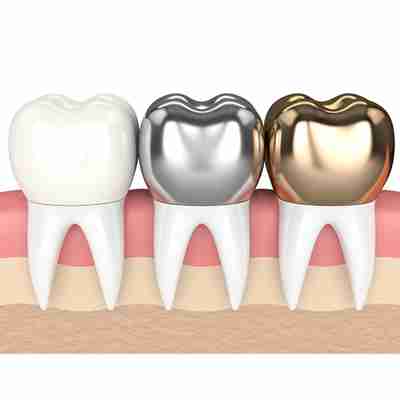
When weighed against amalgam fillings, gold outshines with its longevity and aesthetics. Meanwhile, ceramic fillings offer a natural appearance but might not match the durability of gold. Composite fillings offer a great midpoint, whereas they offer a natural appearance and competitive longevity when compared to gold. Over the last decade, composite fillings have become the go-to for many dentists due to cost and appearance.
Economic Aspects of Gold Fillings
While gold fillings might appear costly upfront, the long-term cost analysis proves their worth. Moreover, with evolving dental insurance plans, there’s a shift towards better insurance coverage for such procedures.
Personal Experiences with Gold Fillings
Many recount their success stories with gold fillings, praising their durability and appearance. However, like all procedures, some faced challenges, which with expert intervention were aptly resolved.
The Future of Gold Fillings
Technological advancements promise even more refined processes for gold fillings. Yet, the sustainability concerns surrounding gold mining make it essential for dentistry to source responsibly.
Gold fillings, with their rich history and modern-day relevance, remain an exceptional choice for dental restorations. Their blend of durability, aesthetics, and biocompatibility ensures they’ll continue to be a golden standard in dentistry.
Frequently Asked Questions
Why choose gold fillings over other materials?
Gold fillings offer unmatched durability, biocompatibility, and a timeless aesthetic appeal.
How long do gold fillings last?
With proper care, gold fillings can last a lifetime.
Are there any allergic reactions to gold fillings?
Gold fillings are biocompatible, reducing the chances of allergic reactions.
Is the procedure painful?
With modern dentistry techniques, the procedure is usually pain-free.
Can gold fillings be replaced?
Yes, they can be replaced or restored based on the individual’s needs.
Are gold fillings covered by insurance?
Coverage varies, but many insurance providers are recognizing the benefits of gold fillings.
What makes gold biocompatible for dental use?
Gold’s non-reactive nature and resistance to corrosion make it biocompatible, reducing the risk of infections or adverse reactions when used as a dental filling.
How do gold fillings compare in terms of aesthetics to other materials?
Gold fillings have a unique shimmering appeal that stands out. While materials like ceramics might closely resemble the natural tooth color, gold offers a timeless and classic look that many find appealing.
Are there environmental concerns related to sourcing gold for fillings?
Yes, gold mining can have environmental impacts, including habitat destruction and water pollution. It’s crucial for dental industries to source gold responsibly, considering sustainability and ethical mining practices. However, not much gold is needed for gold fillings, so the impact is very slight.
Can gold fillings discolor over time?
Gold fillings are resistant to tarnishing and discoloration, ensuring they retain their luster over time. Regular dental cleaning can help maintain their shine.
What historical evidence supports the use of gold in dentistry?
Historical contexts, such as ancient Egyptian records, show that gold was used for dental work, especially among royals and nobility. Its use persisted across various civilizations, indicating its long-standing significance in dental care.
Dentistry has witnessed a monumental evolution over the past few decades, transitioning from basic oral health maintenance to comprehensive cosmetic solutions. Among the leading advancements are Ceramic Fillings, an excellent blend of aesthetics and functionality. Ceramic fillings, renowned for their durability and natural appearance, have become a preferred choice for many seeking an amalgam-free mouth.
Ceramic is translucent, closely mirroring the appearance of natural teeth. Unlike amalgam fillings or gold fillings, which stand out, ceramic seamlessly blends with your natural tooth color, providing a more discreet solution.
Biocompatible
Ceramic fillings are made of biocompatible materials, meaning they won’t react with the body or cause allergic reactions, making them ideal for patients sensitive to metals.
Longevity
When properly taken care of, ceramic fillings can last for over a decade, rivaling the lifespan of traditional metal fillings.
Resistance to Temperature Changes
Unlike metal, ceramic doesn’t expand or contract significantly with temperature changes, reducing the risk of tooth fracture.
Types of Ceramic Fillings
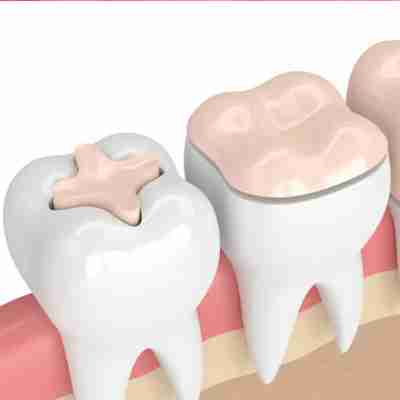
There are primarily two types of ceramic fillings: Inlays and Onlays.
1. Ceramic Inlays: These are used when the cavity is too large for a regular filling but doesn’t require a crown. They are custom-made to fit snugly into the cavity and cemented into place.
2. Ceramic Onlays: Onlays are similar to inlays but are used when the damage extends to the cusps of the tooth. They cover more of the tooth’s surface, offering a comprehensive solution for larger cavities.
Procedure for Installing Ceramic Fillings
Understanding the steps involved can help demystify the process and make patients more comfortable:
Assessment and Preparation: The dentist first evaluates the extent of tooth decay. The decayed portion is then removed, and the tooth is cleaned and prepared for the filling.
Taking an Impression: An impression of the prepared tooth is made, which serves as a guide for crafting the ceramic filling.
Crafting the Filling: The filling is crafted in a dental lab, ensuring a perfect fit for the tooth.
Placement: Once ready, the ceramic filling is cemented onto the tooth using special adhesive, and any excess material is removed.
Final Touches: The dentist might make minor adjustments to ensure the bite is correct and the filling feels comfortable.
Post-Treatment Care for Ceramic Fillings
For the longest life and best performance of your ceramic fillings:
Maintain regular dental check-ups.
Practice good oral hygiene, including brushing, flossing, and using mouthwash.
Avoid hard foods that might crack or damage the ceramic.
Ceramic Fillings Vs. Other Materials
While ceramic is a popular choice, other materials like amalgam, composite, and gold are also available. However, ceramic trumps in several aspects:
Aesthetics: As mentioned earlier, the translucent nature of ceramic is closest to natural teeth.
Biocompatibility: Some patients have reported allergies or sensitivities to metals, making ceramic a safer bet for many.
Durability: With good care, ceramic fillings offer comparable longevity to their metal counterparts without the risk of corrosion.
In the realm of dental fillings, ceramic stands out for its unique blend of aesthetics, strength, and biocompatibility. For those seeking a solution that marries form and function, ceramic fillings emerge as a superior choice. With advancements in dental technology, patients can now enjoy fillings that not only protect their teeth but also enhance their smile’s natural beauty.
Frequently Asked Questions
What makes ceramic fillings different from metal ones?
I can tell you that ceramic fillings are not only aesthetically superior, mimicking the natural appearance of teeth, but they also offer better biocompatibility, especially for patients sensitive to metals. Moreover, ceramic does not expand or contract with temperature changes as metal fillings might, reducing the risk of tooth fractures.
How long can I expect my ceramic fillings to last?
With proper oral care and regular dental check-ups, I’ve seen ceramic fillings last a decade or even longer.
Is the procedure for ceramic fillings painful?
The procedure for ceramic fillings is similar to that of other materials. We ensure our patients are comfortable, typically using local anesthesia to numb the area, making the procedure virtually pain-free.
Are ceramic fillings more expensive than other fillings?
While ceramic fillings may have a higher upfront cost compared to amalgam or composite fillings, their longevity and aesthetic appeal often justify the investment for many of my patients.
Can ceramic fillings stain over time?
Unlike teeth, high-quality ceramic fillings are resistant to staining. However, maintaining good oral hygiene can ensure both your natural teeth and fillings remain pristine.