Chipped or broken teeth are more common than you think. And yes, the price can be all over the map. In 2026, families in Newburgh and beyond face a wide spectrum of options, from quick fixes to permanent replacements. The good news: you don’t have to guess or fear surprise bills. This short list breaks down 9 proven treatments, what they cost, what they deliver, and when to choose them. You’ll also get usable steps to compare options and a clear path to the right care for your mouth and your budget. We’ll show you how Dr. Koumas and our team at the Newburgh practice can bundle care and offer flexible payment options to make repairs affordable. You’ll leave with a usable sense of what fits your smile today and your wallet tomorrow.
We start with the most affordable, fastest repair and move toward long‑term, high‑value solutions. Throughout, you’ll see real‑world tips, patient‑friendly language, and a usable way to think about value over cost alone. If you want to dive deeper into bonding, I’ll point you to a straightforward overview from Dr. Koumas. And if you’re scheduling any repair, you’ll learn how to ask for clear pricing and a treatment plan that fits you.
Key Takeaway: There are affordable fixes and pricier long‑term options. You can often get great results without breaking the bank, especially when you choose the right tier for your mouth and budget.
Now, let’s walk through the nine options. Each one has a typical use case, a rough cost frame, and usable tips to help you compare fairly. We’ll also note how insurance might apply and what kinds of financing a local practice can offer to keep care affordable.
1. Dental Bonding , Quick, Low‑Cost Fix
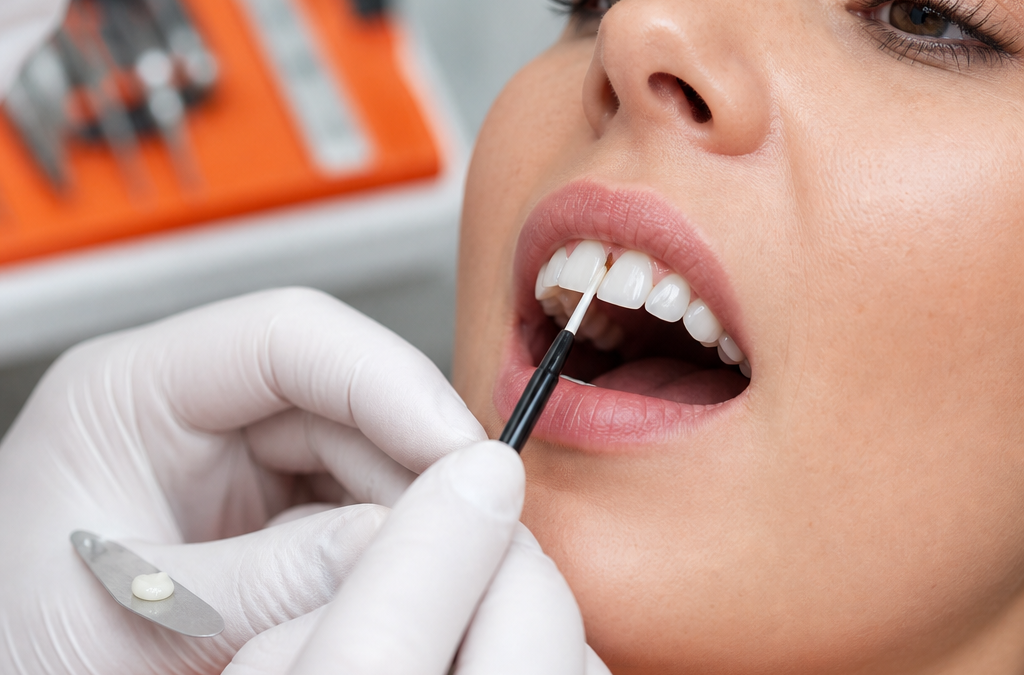
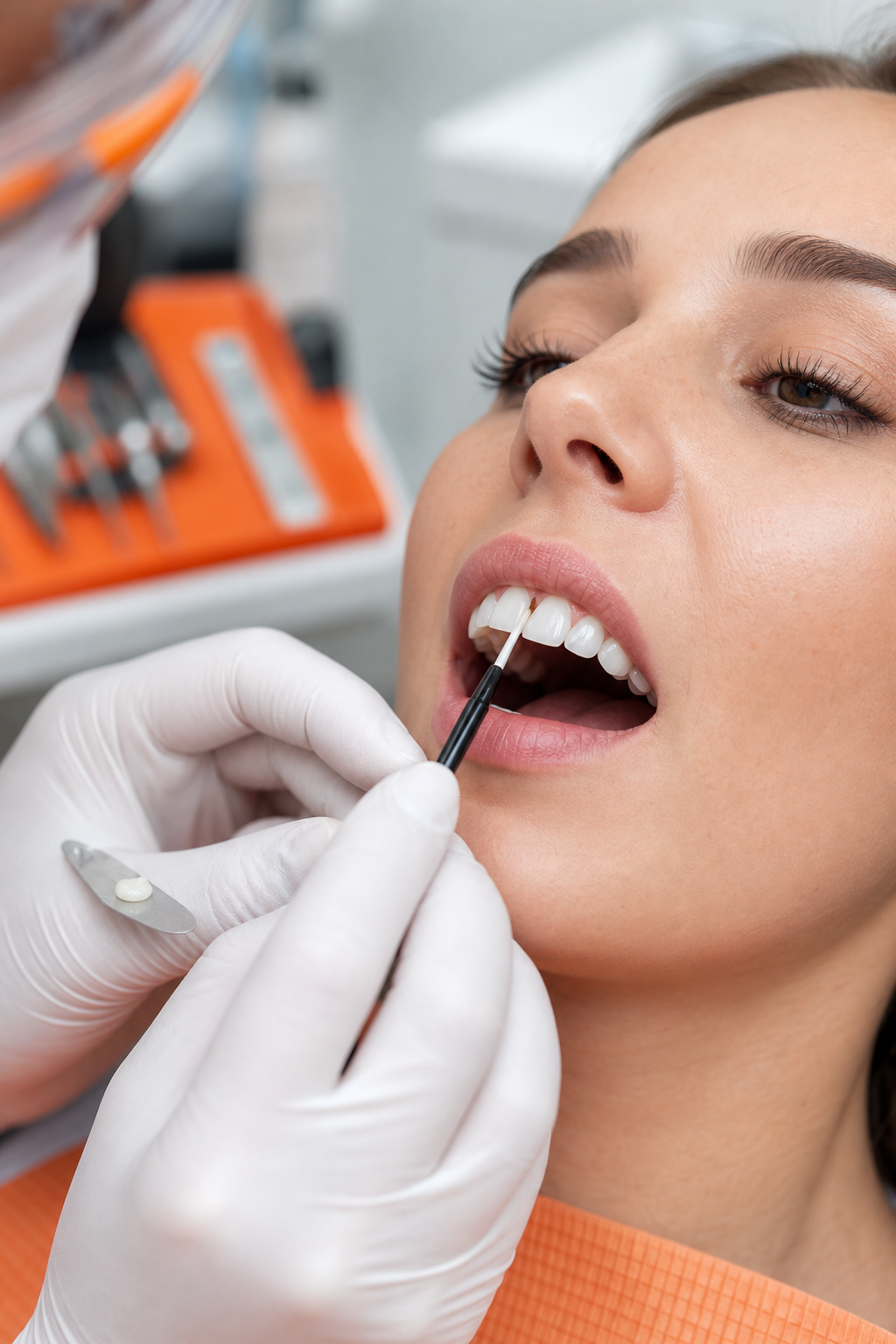
Bonding is often the first line of defense for a chipped or small cracked tooth. It uses a tooth‑colored composite resin that’s applied in a few steps: the surface is prepared, a bonding agent is added, the resin is sculpted to match the bite, and a light cures the material to harden it. The goal is to blend the repair with your natural tooth so no one notices the fix, yet you regain full function. Bonding is typically completed in one visit, which makes it a popular choice when speed and comfort matter.
Cost is a big driver for bonding. In general, bonding tends to be lower in cost than indirect restorations that require lab work. It’s a good option for small chips, minor rough edges, or cosmetic touch‑ups on front teeth where appearance matters most. There are tradeoffs, though. Bonded fillings can wear down faster than crowns or veneers, and larger repairs may require more prep or a different approach to avoid future fractures. If a tooth is structurally weak, we may still recommend a crown down the line to protect it from future breakage.
What should you do next? First, schedule a quick consult so we can assess whether bonding is right for your tooth and bite. If you’re uninsured or paying out of pocket, ask about an in‑house plan or a simple financing option. Bonding works well when the goal is to restore function and appearance with minimal downtime. For more on bonding basics from a trusted clinician, you can read Dental bonding – Wikipedia.
Pro Tip: If you’re worried about staining, ask for a resin that’s optimized for stain resistance and keep coffee, tea, and red wine in check for the first 24, 48 hours after the procedure.
1 visitTypical for simple bonding, with faster relief and less chair time
Key Takeaway: Bonding is the go‑to when you want fast, cosmetic correction at a lower price. It’s most effective for small chips and front‑tooth repairs, not large structural damage.
“Bonding can look invisible when done well, but know its limits, some chips call for stronger options.”
Operational takeaway: Keep a sharp eye on wear patterns. If you bite on hard objects or grind at night, talk to us about a long‑term plan that might include a crown later.
Bonding is a smart starter option for many chipped teeth. It’s quick, affordable, and can buy you time while you decide on a longer‑term path if needed. If you’d like to explore bonding more deeply, I’ve linked to a thorough overview above.
2. Porcelain Veneers , Cosmetic Upgrade
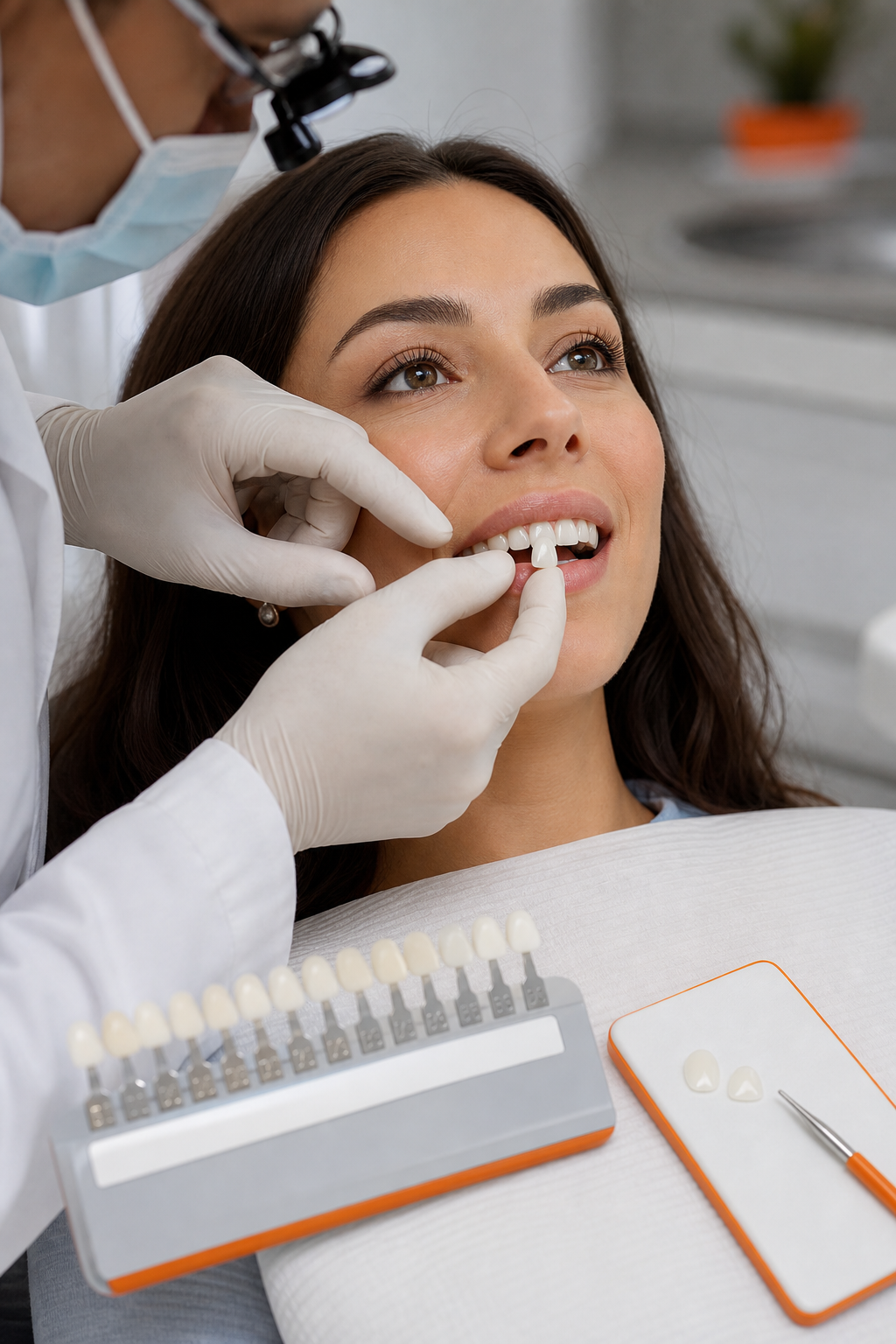
Porcelain veneers are thin shells that cover the front surface of the tooth. They’re designed to address chips, cracks, and discoloration all at once, delivering a dramatic cosmetic transformation. Veneers are typically a two‑visit process: one for prepping the tooth and taking an impression, and a second for fitting and bonding the veneer. The material is strong, stain‑resistant, and very lifelike, which makes veneers a popular choice for patients who want a flawless smile or to correct multiple minor flaws at once. They’re ideal for front teeth where a uniform shade and shape matters most.
There are tradeoffs to veneers. They require removal of a small amount of tooth enamel, which is irreversible. If a tooth is heavily damaged or lacks enamel, veneers may not be the best option. In such cases, crowns or other restorative options could be a better fit. Insurance coverage varies by plan and region, but many cosmetic procedures are partially covered when there’s a functional need. In the end, veneers deliver a striking aesthetic upgrade, but they’re less forgiving than bonding when it comes to structural concerns.
To learn more about how veneers compare with bonding, you can compare insights from reputable sources and clinician guidance. For a clinician‑oriented overview from Dr. Koumas, see Dental Bonding 101: A Complete Overview. And for a general reference on the cosmetic approach, you can explore Dental veneers – Wikipedia.
“Veneers offer a dramatic cosmetic fix, but they come with enamel removal and higher up‑front costs.”
Key Takeaway: Veneers are great for cosmetic fixes on front teeth when you want a uniform look, but they’re not a fix for deep decay or tooth structure loss.
Pro Tip: Bring pictures of your desired shade and shape to your appointment. Veneer color matching is important for a natural look that ages well with you.
$650, $1,200Typical veneer cost range per tooth
We understand that veneers can be a stunning upgrade when you’re aiming for a perfect smile. They pair well with whitening and other cosmetic steps, but they require careful planning and a small amount of enamel removal. If you’re considering veneers, we invite you to discuss the long‑term plan and maintenance with us, and think about how they fit into your overall oral health journey.
3. Dental Crowns , Strength & Longevity
Crowns are hollow, tooth‑shaped caps that cover a damaged tooth to restore strength, function, and appearance. They’re often recommended when a tooth has a large chip or when a root canal has weakened the tooth. Crowns can be made from various materials, including porcelain, ceramic, or metal alloys, and they’re typically cemented in place after tooth preparation. A crown can be the best option when the goal is to preserve the natural tooth and prevent further fracture.
Cost is the big trade‑off here. Crowns are more expensive than bonding or simple fillings, but they tend to last longer and offer better protection for a compromised tooth. The number of visits can vary: some crowns are done in two visits, with the first to prepare and take impressions and the second to place the final crown after lab fabrication. Insurance coverage often applies if there’s a decay or fracture that affects function and tooth integrity.
In the world of long‑term value, crowns often outperform bonding for teeth that see heavy chewing or are in a high‑stress area of the mouth. They’re a reliable choice for restoring a tooth that needs both strength and a natural look. For a quick factual reference on crowns, see Dental crown – Wikipedia.
,Commonly chosen for damaged teeth needing durable protection
Pro Tip: If you grind your teeth at night, consider a nightguard to protect the crown from premature wear and preserve its lifespan.
Key Takeaway: Crowns offer solid, long‑lasting protection for compromised teeth, especially when bite forces are high or root canals are involved.
4. Root Canal + Crown , Deep Repair
When decay or injury reaches the inner pulp, a root canal becomes necessary to clear infection and save the tooth. After the canal is cleaned and sealed, a crown is often placed to restore strength and protect the now‑vulnerable root structure. This combo is common and effective for preserving a natural tooth when bite forces and wear could cause future fractures. The initial root canal can be done in one or two visits, depending on complexity, followed by a crown placement after the tooth has healed and stabilized.
Pros include maintaining your natural tooth and often avoiding extraction. Cons include the need for lab work and the potential for tooth sensitivity during the healing phase. Insurance coverage commonly helps with both root canals and crowns, though the exact percentages vary by plan. If you’ve had an infection, your dentist will discuss the prognosis and maintenance steps after the procedure to minimize future problems.
To a usable point, a root canal plus crown tends to be a smart long‑term investment when the goal is to keep your tooth and bite intact. For general guidance about how dentists approach this repair, Dr. Koumas provides a straightforward overview in his practice materials. See Dental Bonding 101: A Complete Overview for related concepts, and for an accessible general reference, you can read Dental crown – Wikipedia.
“Root canals save teeth that would otherwise be lost, but they’re not a quick fix; plan for a crown afterward.”
Key Takeaway: This combination protects a compromised tooth and can be a long‑term solution, but it requires multiple steps and careful follow‑up care.
5. Dental Implants , Permanent Replacement
Implants are the most permanent option for a missing tooth. An implant is a small titanium post surgically placed into the jawbone. After a healing period, an implant crown is attached to the post. Implants replicate the look, feel, and function of a natural tooth, and they don’t require adjacent teeth to be altered. They’re widely regarded as a top long‑term solution for missing teeth, especially when you want a fixed replacement that behaves like your own tooth and helps preserve bone.
Candidates for implants need healthy gums and adequate bone density. Some patients may require bone grafts to ensure a stable foundation for the implant. The process takes time, from planning to placement to final crown, and requires careful coordination with your dentist and, at times, an oral surgeon. Insurance coverage varies, and financing options can help make implants affordable for many families.
In our practice here in Newburgh, we often frame implants as a long‑term investment in function and confidence. For a quick primer on the concept of implants, you can check Dental implant – Wikipedia.
Long‑term reliabilityOften the best option for a natural replacement when properly planned
Pro Tip: Ask about a staged plan that combines a grafting option if needed and a timeline for final restoration so you know what to expect financially and physically.
Key Takeaway: Implants offer a durable, aesthetically pleasing replacement that can feel and function like a real tooth, but they require careful case selection and more time to complete.
“A good implant plan is a long‑term family investment, not a quick fix.”
6. Dental Bridges , Fixed Replacement
A dental bridge spans the gap left by a missing tooth by anchoring to the adjacent teeth. Bridges are a fixed option, no removal needed by the patient, and they can restore function and aesthetics. The trade‑offs: the adjacent teeth must be prepared (shaped) to hold the bridge, which can impact long‑term tooth health in those areas. Bridges are reliable and faster to place than implants, but over time they rely on two (or more) natural teeth for support, which can be a consideration as you weigh options for the long run.
Costs vary by material (porcelain, ceramic, metal‑ceramic) and lab work. Insurance coverage often helps with bridges when they’re needed to restore function rather than purely cosmetic fixes. The decision between a bridge and an implant often comes down to bone health, bite dynamics, and personal preferences about how much alteration you’re willing to accept in adjacent teeth.
Pro Tip: If you’re balancing cost and longevity, consider a hybrid plan that uses a bridge for short to mid‑term needs while planning an implant for the long term.
Key Takeaway: Bridges are reliable and quicker to fit than implants but require healthy adjacent teeth and ongoing maintenance.
7. Partial Dentures , Removable Solution
Partial dentures are removable replacements for one or more missing teeth. They sit on a framework and are anchored to the remaining teeth or gums. Partial dentures are often the most economical option upfront and can be a good bridge until a more permanent solution is pursued. They’re usable for many families, especially when cost is a primary concern or when multiple teeth are missing. The key trade‑offs are comfort, stability, and how long they hold up with wear and mouth movements.
Partial dentures come in several styles and materials, from acrylic to flexible polymers. They’re typically adjustable and can be a good short‑term plan while you evaluate implants, bridges, or other fixed solutions. Insurance coverage varies, and some plans handle partial dentures differently based on the design and materials used.
“Removable dentures reduce cost upfront but require daily care and maintenance.”
$300, $5,000Typical cost range for partial dentures, depending on type
Key Takeaway: Partials are a cost‑sensitive option that keeps eating and talking comfortable, with room to upgrade later as finances allow.
8. Tooth Extraction & Healing , Last Resort
Sometimes the tooth is too damaged to save. In those cases, extraction may be the best path to relieve pain and prevent infection. Extraction is often followed by a plan for replacement, whether that’s an implant, a bridge, or a denture. Healing times vary by tooth and method, but most people recover within a couple of weeks with proper aftercare. The cost of extraction depends on whether it’s simple or surgical, anesthesia needs, and whether additional steps, like bone grafts, are required to support a future restoration.
Even when extraction is needed, you’ll still have options for replacing the tooth. Our team can guide you through implants, bridges, or dentures that fit your mouth and budget. We focus on keeping you comfortable and informed so you understand the trade‑offs of each option.
Pro Tip: If you’re considering implants after extraction, talk early about bone grafting to improve the long‑term result and reduce the chance of needing future adjustments.
,Extraction typically costs less than a full implant, but replacement may be needed later
Key Takeaway: Extraction can clear the problem, but plan for a durable replacement to maintain function and chewing confidence.
9. In‑Office Direct Fillings , Quick Lab‑Free Option
Direct fillings are a lab‑free, office‑based solution to repair decay or damage on the spot. They’re quick, cost‑effective, and typically completed in a single visit. Materials range from composite resin to more durable options, and the choice depends on the location of the tooth, the extent of damage, and aesthetic needs. Direct fillings are a workhorse for small to mid‑sized repairs where speed and affordability are priorities. Insurance coverage for fillings is common, and many plans cover them as a standard preventive or restorative service.
Direct fillings can be an excellent short‑term fix while you plan a longer‑term restoration later. They’re not always the best option for large fractures or structurally compromised teeth, but they do buy you time without a lab bill. If you’re weighing options, ask about the durability and bite integration of the chosen material and how long you can expect it to last in your mouth.
“Direct fillings are fast, affordable, and can be a smart bridge to a longer‑term plan.”
Key Takeaway: In‑office direct fillings are a reliable routine option for small to medium chips, with fast results and straightforward maintenance.
Choosing the right option starts with a careful look at the damage. A small chip on a front tooth is often best with bonding or a direct filling. A larger fracture, especially one that compromises the tooth’s core or asymmetry in the bite, may call for a crown or root canal plus crown. If a tooth is missing or the bite is unstable, an implant, bridge, or partial denture might be the right path. The patient’s health, budget, and long‑term goals all matter. It’s about balancing function, aesthetics, and the risk of future problems.
In practice, we map out a short list of viable options, then rank them by cost, number of visits, and likelihood of needing replacement in 5, 10 years. Insurance coverage typically lowers the out‑of‑pocket cost for medically necessary procedures, and many offices offer flexible payment plans to ease the upfront burden. The most important step is to get a clear, written treatment plan with itemized costs before you consent to anything. For a usable, clinician‑driven overview of how to think through these choices, s above and talk with our team about how we approach a personalized plan for you.
Insurance helpsTypical plans cover around 80% of a root or crown repair when medically necessary
Pro Tip: Always ask for a written quote and a 2nd opinion if a proposed plan seems excessive or unclear.
Video reference
For a visual walkthrough of common fractured tooth scenarios, watch the video embedded earlier in this article. It offers a usable sense of how understanding the fracture type informs the repair choice.
Key Takeaway: The right repair balances damage severity, long‑term tooth health, and your budget. A clear plan helps you avoid sticker shock and choose a path you’re comfortable with.
Comparison of Treatment Options
Option
Best For
Typical Cost Range
Visits
Key Pros
Bonding
Small chips, front teeth
Low
1
Fast, cosmetic match
Veneers
Cosmetic overhaul
Medium
2
Excellent aesthetics, durable
Crowns
Damaged teeth, post‑root canal
Medium‑High
2
Strong, long‑lasting
Root Canal + Crown
Infected pulp, preserve tooth
Medium
2+
Tooth‑saving, gum/bone protection
Implants
Missing tooth replacement
High
2–3
Durable, natural bite feel
Bridges
Fixed replacement, adjacent teeth available
Medium
2
Less invasive than implants
“The right choice is not the cheapest fix; it’s the one that protects the tooth, fits your life, and lasts.”
0Table summarizes trade‑offs across common options
FAQ
What affects the cost of broken tooth repair?
Several factors drive price: the tooth’s location, the repair type, the amount of lab work, and whether a root canal or bone graft is needed. Your insurance plan and the dentist’s location also shape cost. We’ll help you parse these variables step by step, so you know what to expect before you commit to a treatment. The goal is to give you a clear plan with transparent pricing and options to fit your budget.
Will insurance cover chipped tooth repairs?
Insurance coverage varies by plan and by the specific procedure. In many plans, basic fillings and simple crowns are covered to a substantial portion when medically necessary, while purely cosmetic work may be excluded. If coverage is limited, we can review financing options or a payment plan to reduce out‑of‑pocket costs. The key is to get a written estimate and confirm what your policy will cover before starting treatment.
Which option lasts the longest?
Implants and crowns generally offer the longest life expectancies, often 10, 20 years or more with proper care. Veneers and bonding tend to wear over time and may require replacement or maintenance, especially with habitual grinding or heavy bite forces. Your bite, enamel health, and habits like grinding affect longevity. Regular cleanings and good oral hygiene are essential to maximize any option’s lifespan.
How many visits does a typical repair require?
Most repairs require one to two visits. Bonding and direct fillings are usually done in a single visit. Crowns and veneers typically need two appointments, with lab work between visits. Implants require multiple steps over several months. Your dentist will map a precise schedule in your written treatment plan so you know exactly what to expect and when.
Is it ever best to save a tooth with a root canal?
Saving a tooth with a root canal is often best when infection threatens the tooth’s health or a fractured tooth is still salvageable. Keeping your natural tooth helps preserve bone and bite function. In some cases, extraction followed by an implant or bridge offers a better long‑term outcome. Your dentist will weigh health, bite dynamics, and finances to guide this decision.
What should I ask at my first visit for a chipped tooth?
Ask for a written treatment plan with steps, costs, and expected visits. Clarify which options require lab work, whether an immediate fix is feasible, and what the long‑term maintenance will look like. Also ask about financing and whether any in‑house plans can reduce your upfront bill. A clear plan helps you compare truly and choose confidently.
How soon should I repair a chipped tooth?
As a rule, don’t delay if you have tooth pain, sensitivity, or swelling. Small chips can worsen if left untreated, and larger fractures can lead to infection. A timely evaluation lets your dentist stop problems early, keep costs predictable, and protect your smile’s function and appearance for years to come.
Key Takeaway: The right option depends on damage, health, and goals. A written plan with clear pricing helps you avoid surprises and pick a solution that lasts.
Next Steps
In 2026, you don’t have to be overwhelmed by the cost of broken tooth repair. This shortlist highlights nine paths, from quick bonding to permanent implants, so you can balance budget with bite, beauty with function. The best approach is to start with a candid evaluation, then map a plan that covers the damage, your goals, and the realities of your wallet. Our team at Dr. Koumas, DDS, is dedicated to helping Newburgh families get clear quotes, flexible financing, and care that fits their lives. We’re here to help you choose a path that keeps your mouth healthy and your budget intact. If you’re ready to review options with a trusted local partner, start by talking with us about a personalized plan that meets your needs.
Ready to solve a chipped tooth pain? Try Dr. Michael Koumas, DDS free →
FAQ, pricing, and treatment plans evolve with your mouth. We’ll be with you every step of the way, from initial exam to final restoration, with a focus on comfort, clarity, and long‑term results. If you’d like to explore more about bonding, fillings, or other repairs, you can read the pages linked earlier or talk to our team for a face‑to‑face plan tailored to your smile.
We careWe’ve helped many Newburgh families restore smiles with flexible payment options
“A healthy mouth is the first step to a confident life.”
We appreciate your trust in our care. If you’re ready to move forward, we’ll help you pick a path that fits your needs and budget. You’re not alone in this journey, we’re with you, every step of the way.
After practicing dentistry in Newburgh for over a decade, I’ve noticed something interesting. Patients often walk in expecting lectures about brushing twice daily – which, yes, is important – but they’re surprised when I start talking about their morning coffee routine, their afternoon snack choices, or why they wake up with dry mouth.
The truth? A genuinely healthy smile depends on dozens of small decisions you make throughout each day. Some of my patients with the best oral health aren’t necessarily the most diligent brushers; they’re the ones who understand how everything connects. Let me share what I’ve learned works in real life, not just in textbooks.
The Fundamentals That Actually Matter
Why I’m Obsessed with Fluoride (And You Should Be Too)
Here’s something that might surprise you: I’ve seen patients who brush religiously still develop cavities, while others who are more casual about their routine stay cavity-free for years. The difference often comes down to fluoride.
Think of fluoride as your teeth’s personal bodyguard. Every time you eat or drink something acidic – which happens more often than you’d think – your tooth enamel gets attacked. Fluoride doesn’t just sit there; it actively repairs microscopic damage and creates a stronger surface that’s harder for bacteria to penetrate.
I always tell patients to let fluoride toothpaste sit on their teeth for at least thirty seconds before rinsing. Some of my most cavity-prone patients have turned things around simply by switching to a higher-fluoride toothpaste and being more intentional about how they use it. It’s remarkable how this one change can shift your entire oral health trajectory.
Flossing: The Thing Nobody Wants to Hear About
I get it – flossing feels tedious, and honestly, most people do it wrong anyway. But here’s what changed my perspective on flossing, and hopefully will change yours too: it’s not really about the food particles you can see.
Between your teeth lives a whole ecosystem of bacteria that your toothbrush simply cannot reach. When that bacteria sits undisturbed, it doesn’t just cause bad breath – it creates an inflammatory response that can affect your entire body. I’ve seen patients whose chronic headaches improved after they got serious about flossing. Others noticed their gums stopped bleeding during routine activities like eating apples.
The technique matters more than the frequency. I’d rather see you floss thoroughly three times a week than do a quick, ineffective job daily. Take your time, curve the floss around each tooth, and actually disrupt that bacterial community that’s been throwing a party in there.
Why Your Six-Month Checkup Isn’t Just About Cleaning
Most patients think dental checkups are about getting their teeth “cleaned,” but that’s like thinking a car inspection is just about washing the windshield. During those appointments, I’m looking for patterns, changes, and early warning signs that you’d never notice at home.
Last year, I caught oral cancer in its earliest stage during a routine cleaning for a patient who had no symptoms. Early detection literally saved his life. More commonly, I spot grinding patterns, signs of acid reflux affecting teeth, or gum changes that suggest other health issues brewing.
These visits also let me tailor advice to your actual mouth, not generic recommendations. Some patients need to focus on nighttime grinding, others on managing dry mouth from medications, and still others on adjusting their technique for cleaning around dental work. Cookie-cutter advice doesn’t work when every mouth is different.
What You Eat Matters More Than You Think
Foods That Actually Help Your Teeth
Forget everything you’ve heard about “superfoods” – when it comes to dental health, the most powerful foods are often the most ordinary ones. Cheese, for instance, isn’t just delicious; it neutralizes acid in your mouth and provides calcium in a form your teeth can actually use.
Raw vegetables like carrots and celery don’t just provide vitamins – they stimulate saliva production and physically scrub your teeth while you chew. I’ve had patients improve their gum health significantly just by ending meals with a few baby carrots instead of reaching for mints.
Green tea deserves special mention. The polyphenols in green tea actually suppress the bacteria that cause cavities and gum disease. One of my patients, a tea enthusiast, has some of the healthiest gums I’ve ever seen despite being in her seventies and having a genetic predisposition to gum disease.
The Sugar Trap (It’s Sneakier Than You Know)
Everyone knows candy is bad for teeth, but the real sugar problems are hiding in plain sight. That “healthy” smoothie you’re drinking contains more sugar than a soda and bathes your teeth in acid for hours afterward. Sports drinks, dried fruits, even some salad dressings keep your mouth in a constant state of acid attack.
Timing matters as much as quantity. Sipping sugary drinks throughout the day is far worse than having one with a meal, when your saliva production is already elevated to help neutralize the acid. I tell patients: if you’re going to have something sugary, commit to it, enjoy it, then move on rather than stretching the exposure over hours.
Here’s a practical tip that’s made a huge difference for my patients: keep a water bottle nearby when you’re drinking or eating anything sweet. Swishing with water afterward doesn’t undo the damage, but it significantly reduces it.
The Hydration Connection Nobody Talks About
Your Mouth’s Natural Defense System
Saliva is probably the most underappreciated aspect of oral health. It’s not just spit – it’s a complex fluid containing enzymes, antibodies, and minerals that actively fight bacteria and repair your teeth throughout the day.
When patients come in with sudden increases in cavities, dry mouth is often the culprit. Medications, medical conditions, stress, even sleeping with your mouth open can reduce saliva production and leave your teeth vulnerable. I’ve seen patients turn their oral health around completely just by addressing chronic dehydration.
The quality of your saliva matters too. If you’re constantly dehydrated, your saliva becomes thick and less effective. Plain water is ideal, but herbal teas and broths count too. Just avoid constantly sipping acidic drinks like lemon water – your teeth need breaks from acid exposure to remineralize.
Making It Work in Real Life
Small Changes That Add Up
The patients who see the biggest improvements aren’t necessarily the ones who overhaul their entire routine overnight. They’re the ones who pick one or two changes and stick with them until they become automatic.
Maybe that’s switching to fluoride toothpaste and actually letting it work instead of rinsing immediately. Or keeping floss picks in your car so you can clean your teeth during your commute. Or simply drinking more water throughout the day instead of constantly sipping coffee.
When to Worry (And When Not To)
Not every oral health concern requires panic, but some signs deserve immediate attention. Persistent bad breath that doesn’t improve with better hygiene, gums that bleed easily, or sudden sensitivity to hot and cold can all signal problems that are easier to treat early.
On the other hand, slight gum sensitivity after starting a new flossing routine is normal. So is some tooth sensitivity after whitening treatments or dental work. Your mouth is remarkably good at healing when given the right support.
The key is developing a relationship with your dental team so we can help you distinguish between normal variations and genuine concerns. Every mouth is different, and what works for your friend might not work for you.
Your oral health affects far more than just your smile – it influences your confidence, your overall health, and your quality of life. But achieving it doesn’t require perfection, just consistency with the fundamentals and awareness of how your daily choices add up over time.
Ready to take a more personalized approach to your oral health? Let’s work together to create a plan that fits your actual lifestyle and addresses your specific concerns. Schedule a consultation, and we’ll figure out what works best for your unique situation.
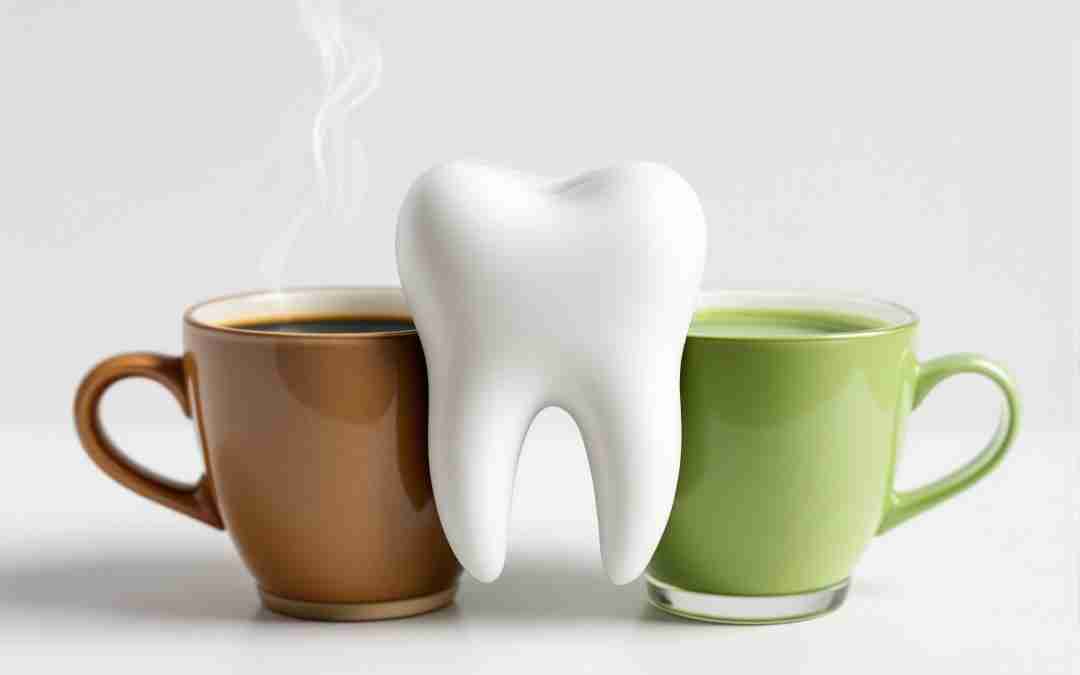
Both matcha and coffee can affect your dental health, but matcha generally has some advantages over coffee when it comes to protecting your teeth and gums.
How Coffee Affects Your Teeth
The Concerns:
Staining: Coffee is highly acidic and contains tannins that can cause yellow or brown stains on tooth enamel
Enamel Erosion: The acidity (pH 4.85-5.10) can weaken tooth enamel over time
Dry Mouth: Caffeine can reduce saliva production, which is your mouth’s natural defense against bacteria
Sugar Additions: Many coffee drinks contain added sugars that feed harmful bacteria
The Benefits:
Antioxidants: Contains compounds that may help fight inflammation
Antibacterial Properties: Some studies suggest coffee may help reduce certain oral bacteria
How Matcha Affects Your Teeth
The Advantages:
Less Acidic: Matcha has a higher pH than coffee, making it less likely to erode enamel
Natural Fluoride: Contains natural fluoride that can help strengthen teeth
Antibacterial Power: Rich in catechins (especially EGCG) that fight harmful oral bacteria
Anti-Inflammatory: Helps reduce gum inflammation and may prevent periodontal disease
Less Staining: While it can still stain teeth, it’s typically less severe than coffee staining
The Concerns:
Still Contains Tannins: Can cause some staining, especially with frequent consumption
Caffeine Content: Still contains caffeine, though usually less than coffee
Best Practices for Both Beverages
To Minimize Dental Damage:
Use a Straw: Reduces direct contact with teeth
Rinse with Water: Wait 30-60 minutes after drinking, then rinse with water
Don’t Brush Immediately: Wait at least 60 minutes before brushing to avoid brushing away softened enamel
Limit Added Sugars: Avoid sweeteners, syrups, and milk with added sugars
Time It Right: Drink during meals rather than sipping throughout the day
For Coffee Lovers:
Choose lighter roasts (less acidic)
Add milk to help neutralize acidity
Limit to 1-2 cups per day
For Matcha Enthusiasts:
Choose high-quality matcha powder
Prepare with water instead of sugary milk alternatives
Enjoy 1-2 servings per day
The Bottom Line
While both beverages have their place in a healthy lifestyle, matcha has a slight edge for dental health due to its:
Lower acidity
Natural fluoride content
Powerful antibacterial properties
Anti-inflammatory benefits
However, moderation and proper oral hygiene are key regardless of your choice!
Questions for Your Next Visit
Are you experiencing any staining from your favorite beverages?
Would you like personalized advice on protecting your teeth while enjoying coffee or matcha?
Are you interested in professional whitening options?
Remember: Regular dental cleanings and checkups are the best way to maintain healthy teeth and gums, regardless of what you drink!
Cosmetic dentistry is a specialized branch of dental care focused on enhancing the appearance of a person’s teeth, gums, and overall smile. While general dentistry is primarily concerned with oral hygiene and treating oral diseases, cosmetic dentistry goes a step further by addressing aesthetic concerns. Think of it as the art of dentistry that makes you want to show off your smile to the world.
Cosmetic dentistry isn’t just a modern trend—it dates back thousands of years. Historical records show that the ancient Egyptians used ground pumice stone and vinegar to whiten their teeth. Fast forward to the 18th century, and you’ll find Europeans using human teeth and ivory to create dentures. But it wasn’t until the 20th century that cosmetic dentistry became refined, reliable, and mainstream.
Today, with technological advancements and rising demand for aesthetic treatments, cosmetic procedures have become more accessible and natural-looking. From Hollywood celebrities to everyday professionals, people across the world are turning to cosmetic dentistry to achieve that perfect smile.
The Core Objective of Cosmetic Dentistry
At its heart, cosmetic dentistry aims to improve dental aesthetics—this includes the color, shape, size, alignment, and overall appearance of teeth and gums. But it’s not just about looks. A better-looking smile often leads to improved oral health, boosted self-esteem, and even better career opportunities.
Let’s face it: your smile is often the first thing people notice about you. Whether you’re at a job interview, a first date, or just chatting with friends, your teeth play a big role in your overall appearance. Cosmetic dentistry offers solutions for stained, chipped, misaligned, or missing teeth—problems that can otherwise lead to self-consciousness or social withdrawal.
Different Types of Cosmetic Dentistry Procedures
Cosmetic dentistry isn’t one-size-fits-all. It encompasses a variety of procedures tailored to meet specific aesthetic goals. Here’s a detailed breakdown:
Teeth Whitening
Teeth whitening is hands-down the most popular cosmetic dental procedure. Why? Because it’s quick, non-invasive, and yields immediate results. Over time, teeth can become stained from food, drinks (hello, coffee and red wine!), smoking, or just natural aging. Whitening treatments work by using bleaching agents like hydrogen peroxide to break down stains and brighten the enamel.
There are different ways to whiten your teeth:
In-office whitening: Done by a dentist, this method gives the most dramatic and fastest results.
At-home whitening kits: These include trays, strips, or pens, and take a bit longer but are more budget-friendly.
Whitening toothpaste: Offers minimal results but can help maintain whitened teeth.
The best part? A single in-office whitening session can make your teeth up to 8 shades lighter in under an hour. It’s like a facelift for your smile.
Dental Veneers
Dental veneers are the secret behind many of those “perfect” celebrity smiles. These are thin shells—usually made of porcelain or resin composite—that are custom-made to fit over the front surface of teeth. Veneers are ideal for correcting chips, cracks, discoloration, gaps, and even minor misalignments.
The process involves removing a small portion of the enamel to make room for the veneer, then bonding it with dental cement. Porcelain veneers are stain-resistant and can last 10-15 years with proper care. Composite veneers are more affordable but slightly less durable.
Veneers offer a dramatic transformation and are often part of a full smile makeover. They’re a long-term investment in your confidence and image.
Dental Bonding
If you have minor flaws like chips or gaps, dental bonding might be your go-to option. Bonding involves applying a tooth-colored resin to the tooth and then hardening it with a special light. The resin “bonds” with the tooth, restoring its appearance.
Bonding is one of the most cost-effective cosmetic treatments and usually requires just one visit. It’s ideal for:
Repairing decayed or cracked teeth
Filling gaps
Changing the shape of teeth
Covering exposed roots
While bonding doesn’t last as long as veneers, it’s a quick and affordable fix with noticeable results.
Dental Implants
Missing teeth are more than just a cosmetic issue—they can affect your bite, jawbone health, and even how you speak. Dental implants are a permanent solution that involves placing a titanium post into the jawbone, which acts as a root. A crown is then attached, mimicking a natural tooth.
Dental implants look, feel, and function like real teeth. They can last a lifetime with proper care, making them one of the most durable options in cosmetic dentistry. Although they’re more invasive and expensive than other procedures, their long-term benefits make them worth every penny.
Invisalign and Clear Aligners
Braces aren’t just for kids anymore. Thanks to clear aligner systems like Invisalign, adults can now straighten their teeth discreetly. These aligners are custom-made, removable, and virtually invisible.
They gradually shift your teeth into place without the discomfort and visual bulk of traditional braces. Clear aligners are perfect for correcting:
Crooked or crowded teeth
Overbites and underbites
Gaps between teeth
Treatment typically lasts 12-18 months, depending on the complexity. The best part? You can remove them to eat, drink, and brush.
Smile Makeovers
A smile makeover is a comprehensive treatment plan that combines multiple cosmetic procedures to achieve your dream smile. Think of it as a full renovation rather than just a touch-up.
Depending on your needs, a smile makeover might include:
Whitening
Veneers
Implants
Orthodontics
Gum contouring
This holistic approach is personalized and often includes digital previews so you can see the potential results before starting.
Benefits of Cosmetic Dentistry
Aesthetics and Confidence
Let’s start with the obvious: cosmetic dentistry dramatically enhances your appearance. Whether you’re fixing a chipped tooth, closing a gap, or whitening a yellow smile, the visual upgrade is undeniable. But it doesn’t stop there. The biggest benefit often lies in how it makes you feel. Confidence skyrockets when you’re not worried about hiding your teeth in photos or covering your mouth when you laugh.
A great smile changes how others perceive you too. It can make you seem more approachable, friendlier, even more competent. In fact, studies show people with attractive smiles are perceived as more successful in both personal and professional settings. That’s powerful.
Moreover, cosmetic dentistry offers custom-tailored solutions. Whether you need a minor tweak or a full makeover, there’s a procedure that fits your needs and budget. It’s not just for Hollywood—it’s for everyone who wants to look and feel better in their own skin.
Functional Improvements
Believe it or not, cosmetic dentistry isn’t just about looking good. Many procedures also improve the functionality of your teeth. For example:
Dental implants restore chewing ability and prevent jawbone deterioration.
Invisalign improves bite alignment, which can relieve jaw pain or headaches caused by malocclusion.
Veneers and bonding can protect cracked or worn-down teeth from further damage.
Correcting these issues means better oral health overall. You’re not just making your smile prettier; you’re making your teeth last longer.
And let’s not forget speech. Misaligned or missing teeth can affect how you talk. Procedures like orthodontics and implants can help restore proper speech and clarity.
So while cosmetic dentistry may seem like a luxury, it often functions as preventive care with aesthetic perks—talk about a win-win.
Psychological Benefits
You know that feeling when you walk out of a salon or get a new outfit that fits just right? That’s the kind of self-esteem boost cosmetic dentistry offers—but even more profound. Smiling is directly tied to happiness. When you’re confident in your smile, you do it more. And when you smile more, your brain releases feel-good chemicals like serotonin and dopamine.
There’s also a significant reduction in social anxiety. Many people avoid social situations or photos because of dental insecurities. After cosmetic treatment, these barriers start to break down. People report improved dating lives, better job prospects, and greater overall satisfaction with their appearance.
In short, cosmetic dentistry doesn’t just transform smiles—it transforms lives.
Cost of Cosmetic Dentistry
Factors That Influence Costs
The cost of cosmetic dentistry can vary wildly, and for good reason. Several factors come into play:
Type of Procedure: A simple whitening treatment will cost significantly less than full dental implants or a smile makeover.
Dentist’s Expertise: Highly experienced or specialized cosmetic dentists may charge more, but they also deliver superior results.
Location: Like everything else, dental procedures cost more in urban areas or high-income regions.
Materials Used: Porcelain veneers cost more than composite ones. Similarly, custom aligners are pricier than metal braces.
Extent of Treatment: One veneer vs. a full arch makes a big difference.
These variables make it essential to have a personalized consultation before assuming the cost of any treatment.
Average Price Ranges of Popular Procedures
Here’s a rough idea of what you might expect to pay in the U.S.:
Procedure
Average Cost (USD)
Teeth Whitening
$300 – $1,000
Porcelain Veneers
$900 – $2,500 per tooth
Dental Bonding
$100 – $600 per tooth
Invisalign
$3,000 – $8,000
Dental Implants
$3,000 – $6,000 per tooth
Smile Makeover
$5,000 – $30,000+
Keep in mind these are just averages. A high-end cosmetic clinic may charge more, especially for bespoke or complex treatments.
Financing and Insurance Options
Cosmetic procedures are typically not covered by dental insurance, especially if deemed non-essential. However, if the treatment overlaps with functionality (like an implant replacing a missing tooth), partial coverage may apply.
Thankfully, many dental offices offer financing plans through third-party providers like CareCredit. These allow you to spread the cost over several months or even years.
Pro tip: Always ask your dentist about in-house payment plans, seasonal discounts, or package deals. Some clinics offer reduced prices for combining multiple procedures.
How to Choose a Cosmetic Dentist
Credentials to Look For
Choosing a cosmetic dentist isn’t something you want to rush. This is your smile we’re talking about! Here’s what to look for:
Education and Training: Cosmetic dentistry isn’t a recognized specialty by the ADA, but many dentists undergo advanced training through programs and certifications.
Experience: How many years have they been practicing? Do they specialize in the procedure you need?
Before-and-After Gallery: Most reputable cosmetic dentists will proudly show off their work.
Professional Affiliations: Membership in organizations like the American Academy of Cosmetic Dentistry (AACD) indicates commitment to continuing education and ethical practice.
Don’t hesitate to ask about their qualifications. A good dentist won’t just answer your questions—they’ll make you feel comfortable every step of the way.
Questions to Ask Before Committing
Not sure what to ask during your consultation? Here’s a cheat sheet:
What are my treatment options?
What will the procedure entail?
How many similar procedures have you performed?
What are the risks or complications?
What will recovery look like?
Can I see a simulation or mock-up of my new smile?
What’s included in the cost?
What happens if I’m not satisfied with the results?
Remember, this is a partnership. The more informed you are, the better the outcome.
Risks and Considerations
Potential Side Effects
While cosmetic dentistry is generally safe, it’s not without risks. Here are a few to keep in mind:
Tooth Sensitivity: Common after whitening or veneers.
Gum Irritation: Especially with bonding or whitening gels.
Infection: Rare but possible with implants or extensive procedures.
Allergic Reactions: Some people react to materials used in restorations.
These side effects are usually temporary and manageable, especially when you follow your dentist’s post-op care instructions.
Long-Term Maintenance
The results of cosmetic dentistry aren’t always permanent. They require maintenance, much like a good haircut or a gym membership.
Tips for long-lasting results:
Avoid staining foods and drinks (red wine, coffee, etc.)
Brush and floss regularly
Use non-abrasive toothpaste
Avoid using teeth as tools (opening bottles, biting nails)
Schedule regular cleanings and follow-ups
The better you care for your smile, the longer your investment will shine.
Technological Advances in Cosmetic Dentistry
Digital Smile Design
Imagine previewing your dream smile before committing to treatment. That’s exactly what Digital Smile Design (DSD) allows. This cutting-edge tech uses digital imaging, 3D modeling, and facial analysis to create a virtual simulation of what your smile will look like post-treatment.
Here’s how it works:
Your dentist captures high-res photos and videos of your teeth, mouth, and face.
They digitally map out your smile, taking into account symmetry, lip shape, and facial features.
Using software, they design a new smile and show you a digital preview—yes, before doing any actual work.
DSD improves communication between patient and dentist. It ensures realistic expectations, reduces anxiety, and most importantly, gives patients a say in the final result. Plus, you can test different looks like trying on outfits—straight teeth, brighter teeth, smaller gaps, etc.
In short, DSD takes the guesswork out of smile transformations and replaces it with precision and personalization.
3D Printing and CAD/CAM Technology
Welcome to the future of dentistry. With 3D printing and CAD/CAM (Computer-Aided Design/Computer-Aided Manufacturing) technology, cosmetic dentistry has become faster, more efficient, and incredibly accurate.
Here’s what they bring to the table:
3D printing allows dentists to produce custom crowns, veneers, and bridges in-house, often within a single visit.
CAD/CAM tools help design and mill restorations with microscopic precision.
This means:
Fewer appointments
Quicker turnarounds
Better-fitting restorations
Reduced human error
Patients benefit from same-day smiles and less time in the dental chair. It’s a win for everyone—especially your schedule and your wallet.
Myths About Cosmetic Dentistry
Let’s bust some common myths that stop people from exploring cosmetic dentistry:
Myth 1: It’s only for the rich and famous. False. While Hollywood may have made it trendy, cosmetic dentistry has become accessible for all budgets. With payment plans and diverse options, there’s something for everyone.
Myth 2: It’s all about vanity. Nope. As we discussed earlier, many cosmetic procedures have functional benefits—like improving your bite, speech, and oral health.
Myth 3: It ruins your natural teeth. Modern techniques are conservative. For example, many veneers today require minimal enamel removal. The goal is to enhance, not harm.
Myth 4: It doesn’t last. With good care, many cosmetic treatments can last for a decade or more. Veneers, implants, and bonding can stay strong and beautiful if you follow proper hygiene.
Myth 5: It’s painful. Most cosmetic procedures are minimally invasive. Anesthesia, sedation, and pain management options make treatments surprisingly comfortable.
Bottom line: Cosmetic dentistry is safer, more affordable, and more beneficial than most people think.
Cosmetic vs. General Dentistry
You might be wondering, “Aren’t all dentists the same?” Not quite.
General Dentistry focuses on the basics—preventing, diagnosing, and treating oral health problems. Think cleanings, fillings, root canals, and extractions.
Cosmetic Dentistry zeroes in on appearance. It’s about improving your smile’s aesthetics without compromising function. Think whitening, veneers, and smile makeovers.
Some procedures overlap. For example, a crown may restore a decayed tooth (general), but also improve its look (cosmetic). The key difference lies in intent and technique.
Cosmetic dentists often pursue extra training in aesthetics, design principles, and the latest materials. They also approach procedures with an artist’s eye, aiming for harmony, symmetry, and natural beauty.
In short: all cosmetic dentists are general dentists, but not all general dentists are cosmetic artists.
Is Cosmetic Dentistry Right for You?
Who is an Ideal Candidate?
You don’t need to have “bad” teeth to benefit from cosmetic dentistry. In fact, many patients seek treatments for minor tweaks that make a big difference.
You may be a great candidate if:
You’re self-conscious about your smile
You have stained, chipped, or uneven teeth
You want to boost your confidence or improve first impressions
You have realistic expectations
You’re in good oral health (no untreated gum disease or cavities)
It’s important to note that cosmetic dentistry works best on a healthy foundation. Your dentist may recommend restorative care before moving forward with cosmetic options.
Red Flags to Consider
Not everyone is a suitable candidate right away. Here are a few reasons your dentist might advise waiting:
Active gum disease
Extensive tooth decay
Poor oral hygiene habits
Unrealistic expectations
Additionally, if you grind your teeth (bruxism), you may need a nightguard to protect cosmetic work like veneers or bonding.
The key is an honest conversation with a qualified dentist. They’ll guide you toward the right timing, procedures, and outcomes.
How to Prepare for a Cosmetic Dental Procedure
Preparation can make or break your cosmetic dentistry experience. Here’s how to set yourself up for success:
Consultation First: Discuss your goals, concerns, and budget with your dentist. Be open about what you want and ask lots of questions.
Dental Exam: Your dentist will check for issues like gum disease or decay. These need to be treated before starting cosmetic work.
Preview Your Results: Many clinics offer digital simulations or wax models. Use this opportunity to visualize your future smile.
Follow Pre-Op Instructions: If you’re getting implants or veneers, your dentist may advise dietary changes, antibiotics, or temporary abstinence from smoking.
Plan for Downtime: Some procedures like implants or full makeovers may require recovery. Schedule time off if needed.
Financial Prep: Finalize costs, financing, and payment plans. Know what’s covered and what’s not.
Remember: preparation isn’t just about logistics. It’s about aligning your expectations with reality, so you walk into the dental chair with confidence and clarity.
What to Expect During Recovery
Recovery after a cosmetic dental procedure varies depending on the treatment, but most patients are pleasantly surprised by how manageable it is. That said, each procedure comes with its own timeline and aftercare routine.
Immediate Aftercare Tips
Teeth Whitening: You may experience mild sensitivity for a few days. Avoid extremely hot or cold foods and beverages.
Veneers or Bonding: Expect some gum tenderness and tooth sensitivity. Avoid hard or sticky foods until fully healed.
Dental Implants: Recovery takes longer—typically a few weeks for the bone to fuse with the implant. During this time, you’ll need to eat soft foods and avoid smoking.
Invisalign: New trays can cause discomfort for the first few days. Over-the-counter pain relief usually helps.
Avoid tobacco, which can delay healing and stain teeth
Stick to follow-up appointments to monitor progress
Most importantly, follow your dentist’s specific post-op instructions to the letter. That’s the key to optimal healing and long-lasting results.
Real Patient Stories and Testimonials
Nothing beats real-life transformations. Hearing how cosmetic dentistry has changed lives is both inspiring and reassuring. Here are a few stories that highlight its emotional and practical impact:
Emma’s Veneers Changed Her Career
Emma, a 29-year-old marketing executive, used to shy away from public speaking because of her chipped and discolored teeth. After getting porcelain veneers, not only did she feel more confident in meetings, but she also landed a promotion within months. Her feedback? “It wasn’t just my smile that changed—it was my entire presence.”
David’s Invisalign Journey
David, 42, had crooked teeth his whole life. “I always felt like I was too old for braces,” he said. After 14 months of Invisalign, he now smiles in every photo. “I didn’t think straight teeth would matter so much. But it changed how I see myself.”
Sara’s Smile Makeover Post-Divorce
After a rough divorce, Sara decided to focus on self-care. Part of that included a full smile makeover. Her transformation included whitening, veneers, and contouring. “It felt like reclaiming my confidence,” she shared.
These testimonials reflect the deep, personal effects of cosmetic dentistry. It’s not vanity—it’s empowerment.
Future of Cosmetic Dentistry
Cosmetic dentistry is evolving rapidly, and the future looks brighter—literally and figuratively.
What’s on the Horizon?
AI in Treatment Planning: Artificial intelligence will help dentists design even more precise and customized treatment plans based on facial symmetry and bite patterns.
Regenerative Dentistry: Research into stem cells and tissue engineering might eventually allow natural tooth regrowth—say goodbye to implants!
Augmented Reality (AR): Imagine seeing your future smile in real time with AR glasses before treatment even begins.
Bio-compatible Materials: New materials will mimic the look and feel of natural teeth even more accurately—and last longer too.
The goal? Less invasive, more efficient, and more personalized procedures with results that look as natural as your own smile.
Conclusion
Cosmetic dentistry is far more than a luxury—it’s a life-changing investment in your confidence, health, and well-being. Whether you’re looking to fix a single chipped tooth or completely transform your smile, the field offers something for everyone. With technological advancements, skilled professionals, and increasingly accessible options, achieving your dream smile has never been easier.
But remember, the journey starts with you. Do your research, choose a qualified dentist, and communicate your goals clearly. When done right, cosmetic dentistry doesn’t just change how you look—it changes how you live.
FAQs
1. Is cosmetic dentistry painful?
Not typically. Most procedures are minimally invasive and come with little to no discomfort. Dentists often use local anesthesia or sedation to keep patients comfortable.
2. How long do cosmetic dental procedures last?
It varies. Whitening can last 6–12 months, veneers up to 15 years, implants a lifetime, and bonding 3–10 years, depending on maintenance.
3. Is teeth whitening safe?
Yes, especially when done under professional supervision. Overuse or misuse of at-home kits can cause sensitivity or enamel damage, so always consult a dentist first.
4. Can I get cosmetic dentistry if I have dental issues?
You can, but underlying problems like decay or gum disease must be addressed first. A healthy foundation is essential for lasting cosmetic results.
5. How do I maintain my cosmetic dental work?
Simple: brush twice a day, floss daily, avoid staining foods, quit smoking, and see your dentist regularly. Consider a nightguard if you grind your teeth.
Let’s break it down simply—general dentistry is your go-to solution for all basic dental care needs. It’s like the primary care provider of the dental world. From routine checkups to managing oral diseases and everything in between, general dentistry is designed to maintain your teeth, gums, and mouth in the best possible condition.
Think of your general dentist as the quarterback of your oral healthcare team. They’re trained to diagnose, treat, and manage your overall oral health. They’ll refer you to specialists when needed, but for the most part, they’re the ones doing your exams, fillings, cleanings, and more.
The key thing here? General dentistry is preventative. The goal isn’t just to fix problems—it’s to stop them before they start. Regular visits to a general dentist can help you avoid painful, expensive dental issues down the line. It’s not just about pearly whites; it’s about a healthy mouth that supports your overall health too.
In fact, many health conditions—like diabetes, heart disease, and even certain cancers—can show early signs in your mouth. A general dentist is trained to spot these clues. That’s why regular checkups matter more than you might think.
This field covers a broad spectrum of services, ranging from routine cleanings and fillings to more complex procedures like crowns and bridges. It’s a blend of science, skill, and art that keeps your smile both healthy and beautiful.
Now that we’ve got the basics, let’s dig deeper into what a general dentist actually does on a daily basis.
The Role of a General Dentist
Who Do General Dentists Treat?
General dentists are the front liners of dental care. They treat patients of all ages—from toddlers teething their first tooth to seniors maintaining dentures. Their role is not confined by age, which makes them a lifelong dental partner for most people.
These professionals are trained in various areas like restorative care, cosmetic procedures, oral hygiene, and diagnostics. But what makes them different from specialists is their versatility. Whether you need a routine checkup or an emergency tooth extraction, your general dentist has you covered.
They also play a pivotal role in helping patients understand the connection between oral health and overall well-being. If you have a chronic illness like diabetes or hypertension, your dentist will adjust your care accordingly to ensure your mouth stays healthy in sync with your body.
How Often Should You Visit a General Dentist?
Here’s the golden rule: at least twice a year.
Bi-annual visits help keep your oral health in check, allowing your dentist to monitor changes, clean plaque buildup, and spot early signs of trouble. But let’s be real—most people don’t go that often. Life gets in the way, and before you know it, it’s been years since your last appointment.
But skipping those visits can cost you more than just a cavity. Gum disease, oral cancer, infections, and even tooth loss can sneak up on you when you avoid the dentist’s chair. And when things escalate, treatment becomes more expensive and invasive.
If you’re someone who smokes, has diabetes, or is pregnant, your dentist might recommend more frequent visits. These factors put you at higher risk for oral issues that need closer monitoring.
Visiting regularly isn’t just for when something’s wrong—it’s about preventing issues before they even start. It’s like changing your car’s oil—you don’t wait until the engine fails, right?
Core Services Offered in General Dentistry
Dental Exams and Cleanings
Routine exams and cleanings are the heartbeat of general dentistry. When you sit in that chair, your dentist isn’t just counting teeth—they’re examining your gums, checking for signs of oral cancer, monitoring existing dental work, and evaluating your bite and jaw alignment.
Professional cleanings are essential too. No matter how well you brush and floss, there are places your toothbrush just can’t reach. That’s where a dental hygienist steps in, using specialized tools to remove tartar and plaque that, if left untreated, could lead to gum disease.
Cleanings usually involve:
Scaling to remove hardened plaque
Polishing to get rid of surface stains
Fluoride treatment for added protection
Many people feel squeaky clean after a dental cleaning—and that’s because your mouth truly is cleaner. It’s a great reset for your oral hygiene habits.
Fillings and Cavity Treatment
Cavities are the most common dental problem worldwide. They occur when bacteria in your mouth produce acid that erodes enamel. Once that protective layer is breached, decay sets in.
General dentists use tooth-colored composite fillings that blend with your natural teeth. The process is simple but effective. First, the decayed portion is removed, and then the cavity is filled to restore the tooth’s structure and function.
Why act fast on cavities? Because untreated decay can progress to the inner pulp of the tooth, leading to infections or abscesses. That’s when you’re looking at a root canal—or worse, extraction.
Fillings today are nothing like the old-school metal ones. They’re safer, more aesthetic, and long-lasting with proper care.
Root Canal Therapy
The phrase “root canal” might make you cringe, but don’t worry—modern root canal therapy is a lot less intimidating than you might think. In fact, it’s a pretty routine part of general dentistry these days, and it could be the one thing that saves your tooth.
A root canal becomes necessary when the pulp inside your tooth becomes infected or inflamed. This can happen due to deep decay, repeated dental procedures, or trauma. Once the pulp is compromised, the tooth can’t heal itself, and the infection can spread.
Here’s what actually happens during a root canal:
The dentist numbs the area (no pain!).
A small opening is made in the tooth.
The infected pulp is removed.
The inside of the tooth is cleaned and disinfected.
The space is filled and sealed.
Often, a crown is placed to restore the tooth.
The result? You get to keep your natural tooth, avoid extraction, and relieve pain. Win-win-win.
The best part? Most patients say the procedure feels no worse than getting a filling. The real pain was the infection—not the treatment.
So if your dentist recommends a root canal, don’t run for the hills. It might just be your smile’s saving grace.
Tooth Extractions
Sometimes, despite all efforts to save a tooth, extraction is the only option left. It’s not the ideal route, but in some cases, it’s the smartest one—especially when dealing with:
Severely decayed or damaged teeth
Advanced periodontal disease
Impacted wisdom teeth
Overcrowded mouths (especially for orthodontic treatment)
Your general dentist is trained to perform extractions quickly and safely, often with the aid of local anesthesia or sedation. The focus is always on minimizing discomfort and promoting a fast recovery.
After the extraction, your dentist will guide you through aftercare. You’ll need to avoid certain foods, maintain gentle oral hygiene, and possibly use prescribed medications. If a visible tooth was removed, they’ll also discuss options for replacements like bridges, implants, or dentures.
Tooth extractions aren’t the end of the road—they’re just a pit stop on your journey back to a healthy smile.
Preventive Services
This is where general dentistry shines brightest. Preventive care is the proactive side of dental medicine, aiming to stop problems before they even begin.
Some of the most common preventive services include:
Sealants: Thin, protective coatings applied to the chewing surfaces of molars to prevent decay.
Fluoride treatments: Strengthen enamel and reduce cavity risk.
Oral cancer screenings: Early detection saves lives.
Bite assessments: Identify misalignments that could cause issues later.
Nutritional counseling: Yep, your dentist might chat with you about your diet too—especially if sugar is a major part of it.
Preventive care also means education. Your dentist will show you how to brush and floss effectively, suggest the right tools, and help you build a routine that keeps your mouth healthy between visits.
The takeaway? Prevention is cheaper, faster, and way less painful than treatment. An ounce of prevention truly is worth a pound of cure—especially in dentistry.
Difference Between General Dentistry and Specialized Dentistry
It’s easy to get confused by the different titles you see at dental offices. So let’s break it down—what exactly sets general dentists apart from specialists?
General vs. Cosmetic Dentistry
General dentists focus on maintaining and restoring health, while cosmetic dentists prioritize aesthetics. However, many general dentists also offer cosmetic procedures like:
Teeth whitening
Veneers
Bonding
But if you’re looking for full smile makeovers or intensive cosmetic reshaping, you may be referred to a cosmetic specialist.
General vs. Orthodontics
Orthodontists deal specifically with the alignment of teeth and jaws. Braces, clear aligners (like Invisalign), and retainers fall into their world. General dentists may offer some aligner treatments, but for complex cases, orthodontists step in.
General vs. Periodontics
Periodontists focus on gum health. While general dentists treat early gum disease (gingivitis), a periodontist handles advanced cases like periodontitis. If your gums are receding, bleeding heavily, or infected deeply, your dentist might refer you to one.
In short, general dentists are your all-in-one provider, and they work with specialists when a specific skill set is needed.
Why General Dentistry is the Foundation of Oral Health
Early Detection of Oral Diseases
Think of your general dentist as your dental detective. They’re trained to spot the earliest warning signs of disease, often before you even notice a symptom. That includes:
Gum disease
Cavities
Oral cancer
Tooth grinding (bruxism)
TMJ disorders
Catching these early can mean the difference between a simple fix and major surgery. For example, a small cavity can be filled in 20 minutes. Wait too long, and it might turn into a root canal or extraction.
And let’s not forget the bigger picture—oral health is deeply connected to systemic health. Conditions like diabetes, heart disease, and even Alzheimer’s have links to poor oral hygiene. Your dentist might be the first person to spot something unusual in your mouth that indicates a deeper issue.
Long-Term Health Benefits
Regular visits to your general dentist don’t just help your teeth—they help your entire body. Keeping your gums healthy reduces inflammation, lowers your risk of cardiovascular disease, and can even improve outcomes for people managing chronic conditions.
Plus, maintaining your natural teeth improves quality of life. You can eat what you love, speak clearly, and smile confidently. And with proper care, your teeth can last a lifetime.
General dentistry isn’t just a service—it’s a partnership. It’s you and your dentist working together to protect one of your most valuable assets: your health.
Modern Tools Used in General Dentistry
Technology has completely transformed the way general dentists work. Today, your dentist isn’t just relying on their eyes and hands—they’re backed by high-tech tools that make diagnosis faster, treatment more precise, and your experience a whole lot more comfortable.
Digital X-rays
Gone are the days of bulky film and waiting for images to develop. Digital X-rays have become a staple in general dentistry. They provide instant results with:
Higher resolution images for better diagnostics
Lower radiation exposure—up to 90% less than traditional X-rays
Easy storage and sharing with specialists
These images help your dentist spot hidden problems like cavities between teeth, infections, bone loss, and even tumors. It’s fast, safe, and incredibly effective.
Intraoral Cameras
Ever wonder what your dentist sees when they peer into your mouth? With intraoral cameras, now you can see too. These tiny, pen-sized cameras:
Capture high-definition images of your teeth and gums
Allow dentists to show you real-time visuals
Help with accurate record-keeping and patient education
Seeing your own tooth decay on a screen? It’s often enough motivation to floss more often, trust me.
Laser Dentistry
This is one of the coolest advancements in the field. Laser dentistry can be used for:
Treating gum disease
Removing decayed tissue
Whitening teeth
Performing minor surgeries with minimal bleeding
Lasers are more precise, less painful, and promote faster healing. If your dentist offers laser treatments, it might be worth trying—it can make even invasive procedures feel like a breeze.
Technology continues to revolutionize general dentistry, making it not just more efficient for dentists but also more comfortable and reassuring for you.
General Dentistry for Children
Getting kids into the dental chair early is one of the best things you can do for their lifelong health. And yes, general dentists often treat children, too.
Pediatric Focus in General Practice
While pediatric dentists specialize in treating kids, many general dentists are skilled in providing dental care for young patients. They offer:
Baby tooth checkups
Fluoride treatments
Sealants
Cavity treatments
Growth monitoring for jaws and teeth
They also make the experience kid-friendly, with calming environments, gentle communication, and sometimes even little rewards (who doesn’t love a treasure chest toy after a cleaning?).
Early dental visits help children feel comfortable at the dentist and set a positive tone for future appointments. The American Dental Association recommends a child’s first dental visit by age one, or within six months after their first tooth erupts.
Teaching Good Habits Early
A general dentist doesn’t just clean and polish teeth—they’re also a teacher. Helping kids (and parents) understand the importance of brushing, flossing, and eating healthy snacks is crucial.
Good habits formed early can:
Prevent cavities and gum disease
Build confidence through a healthy smile
Create lifelong patterns of preventive care
From showing the right brushing technique to guiding parents on how to manage teething or thumb-sucking, general dentists play a key role in raising a generation of healthy smiles.
Cost of General Dentistry Services
Let’s talk money. One of the most common concerns about dental care is the cost. But here’s the truth—general dentistry can actually save you money in the long run by preventing major problems before they start.
Insurance Coverage
Most dental insurance plans cover general dentistry services like:
Two cleanings and exams per year
X-rays
Fillings
Basic extractions
More complex procedures like root canals or crowns are usually covered at a lower percentage, but still help reduce the overall bill.
If you have dental insurance, your general dentist will usually handle the paperwork and help you understand what’s covered.
Out-of-Pocket Costs
No insurance? No problem—many dental offices offer:
Flexible payment plans
Discounted rates for cash payments
In-house membership plans for preventive care
The cost of routine cleanings is often quite affordable, especially compared to the cost of treating a neglected issue. For example:
Cleanings: $75–$200
Fillings: $100–$400
Root canals: $500–$1,200
General dentistry isn’t just about keeping your mouth healthy—it’s also about being cost-efficient and smart with your health budget.
Choosing the Right General Dentist
Not all dentists are created equal. The right general dentist will make you feel comfortable, respected, and informed. So how do you choose one?
What to Look For
Here’s a simple checklist:
Credentials and licensing
Years of experience
Positive reviews and word-of-mouth referrals
Range of services offered
Modern technology and a clean, inviting office
You want someone who not only knows their craft but also takes the time to get to know you. A good dentist listens, answers questions patiently, and explains procedures in simple terms.
Questions to Ask During the First Visit
Your first visit is like a first date—don’t be afraid to ask questions. Some useful ones:
What preventive services do you recommend for me?
Do you offer flexible payment plans?
What’s your emergency policy?
Do you treat families and kids?
How do you stay current with new dental techniques?
A great general dentist will be transparent, supportive, and focused on building a lasting relationship—not just fixing teeth.
The Future of General Dentistry
The dental world is evolving at lightning speed. So what does the future hold for general dentistry? A whole lot of exciting stuff.
Advancements in Technology
We’re already seeing the rise of:
Teledentistry: Virtual consultations to discuss symptoms, get advice, and determine urgency.
3D printing: Creating custom crowns, dentures, and aligners faster and more affordably.
Artificial intelligence: Helping dentists diagnose issues from X-rays with greater accuracy.
These tools aren’t replacing your dentist—they’re empowering them to serve you better.
Patient-Centered Dental Care
The future is all about personalization. Dentists are moving away from the one-size-fits-all model and focusing on:
Tailored treatment plans
Comprehensive health evaluations
Integrating dental care with overall wellness
Expect more holistic approaches, better communication, and a focus on making your dental experience as positive and stress-free as possible.
Conclusion
So, what is general dentistry? It’s your all-access pass to oral health—the front line of defense against disease, the cornerstone of preventive care, and the partner you never knew you needed for your overall well-being.
From childhood to your golden years, your general dentist is there for every stage of life. Whether it’s a simple cleaning, a deep filling, or a bit of advice on brushing habits, general dentistry keeps your smile strong, confident, and healthy.
Invest in it. Prioritize it. And most importantly—don’t wait until something hurts to book that appointment.
FAQs
Is general dentistry the same as family dentistry?
Not exactly. While both treat a wide age range, “family dentistry” emphasizes serving the whole family, while general dentistry focuses more on the services provided. But in practice, they often overlap.
Can general dentists perform cosmetic procedures?
Yes! Many general dentists offer teeth whitening, veneers, bonding, and more. For complex cosmetic work, they might refer you to a specialist.
What happens during a routine dental exam?
You’ll get X-rays (if needed), a professional cleaning, and an oral exam to check for cavities, gum issues, and signs of other diseases.
Are general dentists trained to spot oral cancer?
Absolutely. Oral cancer screenings are often part of regular checkups. Dentists are trained to spot abnormalities in your mouth, tongue, and throat.
How do I know if I need a root canal or just a filling?
Only a dentist can confirm it, but signs like persistent pain, sensitivity, or swelling may indicate deeper infection requiring a root canal.
Listen, I need to be honest with you right off the bat. In my 25+ years practicing dentistry here in Newburgh, nothing – and I mean nothing – gets patients more worked up than hearing they need a root canal. Just last week, a grown man actually turned pale when I mentioned the words. But here’s what really gets me: most of what people “know” about root canals is completely wrong.
I’m Dr. Michael Koumas, and I’ve performed thousands of these procedures. What frustrates me most isn’t the fear – fear is understandable. It’s that the fear is based on outdated information from decades ago. So let me set the record straight, because in 2025, root canals are nothing like what your grandfather experienced back in the day.
What Actually Happens During a Root Canal
Before we dive into why everyone’s so scared, let me explain what we’re actually doing here. Your tooth isn’t just a solid chunk of enamel – there’s an entire network inside called the pulp system. Think of it like the wiring in your house. This pulp contains nerves, blood vessels, and connective tissue that was essential when your tooth was developing.
Sometimes this pulp gets infected or severely inflamed. Maybe you had a deep cavity that went untreated, or you cracked a tooth playing weekend softball, or you’ve had multiple procedures on the same tooth over the years. When that happens, the pulp essentially dies, and bacteria move in to throw a party. That’s when things get painful.
The root canal procedure removes this infected tissue, cleans out the entire canal system, and seals it up so bacteria can’t get back in. We’re basically giving your tooth a fresh start.
Why You Might Find Yourself in My Chair
Over the years, I’ve seen pretty much every scenario that leads to needing a root canal. Sometimes it’s obvious – a patient comes in with throbbing pain that keeps them awake at night. Other times, it’s sneaky. I’ll spot something suspicious on an X-ray during a routine cleaning, and the patient had no idea anything was wrong.
Deep decay is the most common culprit. When cavities go untreated, they don’t just disappear – they keep growing deeper until they reach the pulp. I’ve also seen plenty of cases where repeated dental work on the same tooth eventually irritates the pulp beyond repair.
Trauma is another big one. You don’t always need a visible crack or chip. I’ve treated teeth that looked perfectly fine on the outside but had been damaged by a sports injury or accident years earlier. The pulp slowly died over time until infection set in.
Walking Through the Actual Process
When you need a root canal, here’s exactly what happens in my office. First, we take detailed X-rays so I can see the entire root structure – some teeth have one root, others have three or four, and I need to know what I’m working with.
Then comes the part everyone worries about: getting numb. I use modern anesthetics that are incredibly effective. Honestly, the worst part is usually the brief pinch when I inject the anesthetic. After that, you shouldn’t feel anything more than pressure.
Once you’re completely numb, I create a small access hole in the tooth – usually through the chewing surface on back teeth or behind the front teeth where it won’t show. Then comes the meticulous part: I use specialized instruments to remove all the infected pulp from the main chamber and every single root canal. This isn’t rushed work. I’m essentially cleaning and shaping the entire internal structure of your tooth.
After everything’s clean, I fill the space with a rubber-like material called gutta-percha and seal the access hole. In most cases, you’ll need a crown afterward to protect the tooth and restore full function, but that’s a separate appointment after everything heals.
Let’s Kill These Ridiculous Myths Once and for All
“Root canals are excruciating” This myth drives me crazy because it keeps people suffering unnecessarily. Modern root canal treatment is no more uncomfortable than getting a large filling. The pain you’re feeling beforehand – that’s from the infection. The procedure eliminates that pain.
“Just pull the tooth instead” Look, I get it. Sometimes extraction seems like the easier option. But here’s what I tell every patient: your natural teeth are irreplaceable. Once I pull a tooth, you’re looking at implants, bridges, or partial dentures – all more expensive and complicated than saving your original tooth. Root canals have over a 95% success rate when done properly.
“Root canals make you sick” This myth originated from research done nearly a century ago that has been completely debunked by modern science. The American Dental Association, American Medical Association, and countless peer-reviewed studies have confirmed that root canals are safe and don’t cause systemic health problems.
Why I Actually Love Doing Root Canals
Here’s something that might surprise you – root canals are one of my favorite procedures. Not because I enjoy seeing patients in pain, but because of the dramatic relief they provide. I regularly have patients call the next day saying it’s the first good night’s sleep they’ve had in weeks.
There’s also something satisfying about the precision required. It’s detailed, methodical work that requires real skill. When I can save a tooth that another dentist might have recommended for extraction, that’s a win for everyone involved.
Plus, the technology keeps getting better. Digital imaging helps me see exactly what I’m dealing with. Rotary instruments make the cleaning process more thorough and efficient. Better anesthetics keep patients comfortable throughout the procedure.
Your Questions Answered
How long does this take? Most root canals take 60-90 minutes, sometimes split across two appointments if the case is particularly complex. I don’t rush these procedures – doing them right the first time saves everyone time and trouble later.
Will I definitely need a crown? Usually, yes. Root canal-treated teeth become more brittle over time because they no longer have living tissue inside. A crown protects the tooth from fracturing and can last decades with proper care.
What about afterward? Some mild discomfort for a few days is normal – you can manage it with over-the-counter pain relievers. I give every patient detailed post-treatment instructions, and my team is always available if you have concerns.
How long will it last? With proper care and regular checkups, root canal-treated teeth can last your entire lifetime. I have patients whose root canals I performed 20 years ago that are still going strong.
Taking Care of Your Investment
After spending the time and money to save your tooth, you want it to last. The good news is, caring for a root canal-treated tooth isn’t complicated. Brush and floss like normal, keep up with your regular cleanings, and don’t use your teeth as tools for opening packages or cracking nuts.
If you have a temporary filling while waiting for your crown, be extra careful about what you eat. Avoid sticky or hard foods that could dislodge the temporary material.
Most importantly, don’t skip your follow-up appointments. I need to monitor how the tooth is healing and make sure the permanent restoration fits perfectly.
The Bottom Line
Root canals save teeth, period. They eliminate pain, prevent infections from spreading, and allow you to keep chewing normally. Are they anyone’s idea of fun? No. But neither is living with a constant toothache or dealing with the complications of tooth loss.
If you’re dealing with tooth pain or suspect you might need treatment, don’t wait. Dental problems don’t improve on their own, and early treatment is always easier than waiting until you’re in crisis mode. You can contact my office to schedule an evaluation, and we’ll figure out exactly what’s going on.
Remember, I’ve been doing this for over 25 years, and I’ve never had a patient tell me their root canal was worse than the toothache that brought them in. Trust me on this one – the anticipation is always worse than the reality.