Gentle Tooth Extractions in Newburgh, NY: Expert Care by Dr. Koumas
When tooth pain becomes unbearable or a tooth is beyond saving, a gentle dental extraction at Dr. Koumas’ Newburgh practice can provide immediate relief and protect your overall oral health. Our experienced team specializes in comfortable, stress-free tooth extractions for patients throughout the Hudson Valley.
What Is a Dental Extraction?
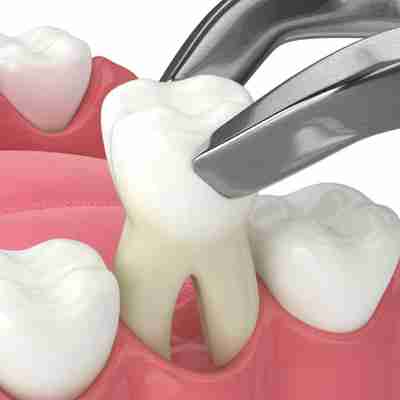
A dental extraction is the careful removal of a tooth from its socket in the jawbone. While saving your natural teeth is always our first priority, sometimes extraction is the best option to eliminate pain, prevent infection, or prepare for other dental treatments.
At Dr. Koumas’ Newburgh dental office, we perform both simple and surgical extractions using advanced techniques and sedation options to ensure your complete comfort throughout the procedure.
When Do You Need a Tooth Extraction?
Dr. Koumas may recommend tooth extraction for Newburgh patients experiencing:
Common Reasons for Extraction
Severe tooth decay that cannot be repaired with fillings or crowns
Advanced gum disease causing loose teeth
Impacted wisdom teeth causing pain or crowding
Broken or fractured teeth beyond repair
Overcrowding before orthodontic treatment
Infected teeth that don’t respond to root canal treatment
Emergency Extraction Situations
If you’re experiencing any of these symptoms in the Newburgh area, contact Dr. Koumas immediately:
Severe, constant tooth pain that prevents sleep
Facial swelling extending to the eye or neck
Fever accompanying tooth pain
Pus or discharge around the tooth
Trauma or injury to the tooth
Emergency Contact: [Phone Number] – Same-day appointments available
Types of Tooth Extractions Dr. Koumas Performs
Simple Extractions
Simple extractions are performed on teeth that are visible above the gum line. This procedure typically involves:
Local anesthesia for complete numbness
Gentle loosening of the tooth with special instruments
Careful removal without damaging surrounding tissue
Immediate post-extraction care instructions
Most common for: Damaged front teeth, broken molars, and loose teeth from gum disease
Surgical Extractions
Surgical extractions are needed when teeth are broken below the gum line or haven’t fully erupted. Dr. Koumas’ surgical extraction process includes:
IV sedation or nitrous oxide for anxious patients
Small incision to access the tooth
Possible bone removal around the tooth
Tooth sectioning for easier removal
Sutures to promote healing
Most common for: Impacted wisdom teeth, broken root tips, and severely damaged teeth
Wisdom Tooth Extractions
Wisdom teeth often cause problems for Newburgh residents due to limited space in the mouth. Dr. Koumas specializes in:
Preventive wisdom tooth removal before problems develop
Impacted wisdom tooth extraction using advanced surgical techniques
Same-day removal of multiple wisdom teeth
Sedation options for anxious patients
Dr. Koumas’ Gentle Extraction Process
Pre-Extraction Consultation
During your initial visit to our Newburgh office, Dr. Koumas will:
Perform a comprehensive oral examination
Take digital X-rays to assess tooth and bone structure
Discuss your medical history and current medications
Review sedation options if you’re anxious about the procedure
Explain the extraction process and answer all your questions
The Extraction Procedure
Dr. Koumas uses the latest techniques for comfortable extractions:
Anesthesia Administration: Local anesthesia ensures complete numbness
Sedation (if requested): Nitrous oxide or IV sedation for anxious patients
Signs of serious infection (fever, swollen lymph nodes)
Cost of Tooth Extractions in Newburgh
Dr. Koumas believes in transparent pricing and works with patients to make extractions affordable:
Insurance Coverage
Most dental insurance covers 70-80% of extraction costs
We work with most major dental insurance plans
Pre-authorization handling for surgical extractions
Maximizing benefits through proper coding
Payment Options
Flexible payment plans available
CareCredit financing for larger treatments
Cash discounts for immediate payment
Detailed estimates provided before treatment
Typical Costs
Simple extractions: $150-$300 per tooth
Surgical extractions: $300-$600 per tooth
Wisdom tooth removal: $400-$800 per tooth
Sedation options: Additional $200-$500
Post-Extraction Care Instructions
Following Dr. Koumas’ aftercare instructions ensures proper healing:
First 24 Hours
Apply ice packs to reduce swelling (20 minutes on, 20 minutes off)
Bite on gauze for 30-45 minutes to control bleeding
Avoid spitting or rinsing to protect blood clots
Take prescribed medications as directed
Eat soft foods and avoid the extraction site
First Week
Gentle saltwater rinses after 24 hours
Soft diet gradually returning to normal foods
Avoid smoking and alcohol consumption
Continue prescribed antibiotics if given
Schedule follow-up appointment if needed
Warning Signs to Call Dr. Koumas
Excessive bleeding that doesn’t stop with pressure
Severe pain not controlled by prescribed medication
Signs of infection (fever, pus, bad taste)
Dry socket symptoms (severe pain 3-5 days after extraction)
Numbness persisting beyond expected timeframe
Why Choose Dr. Koumas for Dental Extractions?
Advanced Technology
Digital X-rays for precise treatment planning
Surgical instruments designed for gentle extractions
Laser therapy to promote faster healing
Sterile technique ensuring your safety
Experienced Care
Dr. Koumas has successfully performed thousands of extractions for Newburgh residents, from simple procedures to complex surgical cases. His gentle approach minimizes discomfort and promotes faster healing.
Convenient Location
Located at 4 Hudson Valley Professional Plaza #1, Newburgh, NY. 12550. Our office is easily accessible from:
New Windsor – 10 minutes
Cornwall – 15 minutes
Beacon – 20 minutes
Poughkeepsie – 25 minutes
Middletown – 30 minutes
Frequently Asked Questions About Dental Extractions
How painful is tooth extraction?
Modern extraction techniques are virtually painless. Dr. Koumas uses effective local anesthesia, and most patients report only mild discomfort during healing.
How long does tooth extraction take?
Simple extractions typically take 15-30 minutes, while surgical extractions may take 45-60 minutes, depending on complexity.
Can I go to work after tooth extraction?
Most patients can return to work within 24-48 hours for simple extractions. Plan for 2-3 days off for surgical extractions.
What should I eat after extraction?
Stick to soft foods for the first few days: soup, yogurt, mashed potatoes, smoothies, and scrambled eggs. Avoid hot, spicy, or crunchy foods.
When can I brush my teeth after extraction?
You can brush your teeth gently the day after extraction, but avoid the extraction site for the first week.
How long does healing take?
Initial healing occurs within 1-2 weeks, with complete healing taking 3-6 months for the bone to fully regenerate.
What is dry socket?
Dry socket occurs when the blood clot protecting the extraction site is lost, exposing the bone. It’s painful but treatable with medication.
Preventing the Need for Extractions
Dr. Koumas emphasizes preventive care to help Newburgh patients avoid extractions:
Regular Dental Checkups
Early detection of dental problems
Professional cleanings to prevent gum disease
Fluoride treatments to strengthen teeth
Oral cancer screenings for comprehensive health
Daily Oral Hygiene
Brush twice daily with fluoride toothpaste
Floss daily to remove plaque between teeth
Use antimicrobial mouthwash to reduce bacteria
Avoid tobacco products that damage gums
Protective Measures
Wear mouthguards during sports
Don’t use teeth as tools to open packages
Limit sugary and acidic foods that cause decay
Address teeth grinding with a night guard
Schedule Your Extraction Consultation in Newburgh
Don’t let tooth pain control your life. Dr. Koumas and his caring team provide gentle, effective extractions to restore your comfort and oral health.
Contact Information:
Phone: (845) 562-1108
Address: 4 Hudson Valley Professional Plaza #1, Newburgh, NY 12550
Hours: 9-5 Monday-Friday
Emergency: 24/7 emergency contact available
What to Bring to Your Appointment
Driver if you’re receiving sedation
Current dental insurance card
List of medications you’re currently taking
Medical history information
Previous dental X-rays (if available from another dentist)
The realm of dentistry is vast, offering a plethora of procedures aimed at both functional correction and cosmetic enhancement. Among these, Enameloplasty stands out as a relatively simple yet profoundly impactful treatment. But what exactly is this procedure?
Dentistry isn’t just about fixing cavities; it’s an intricate blend of art and science. Enameloplasty, often referred to as tooth reshaping or contouring, is a testament to this blend.
Understanding Tooth Anatomy
To truly appreciate the magic of Enameloplasty, it’s vital to dive deep into the anatomy of our teeth. The outermost layer, known as enamel, is the hardest part of the human body. It’s this enamel that’s primarily involved in the procedure.
Without our enamel, our teeth would be susceptible to all kinds of damage. It acts as the protective shield against external threats and gives our teeth their characteristic shine.
Benefits of Enameloplasty
You might wonder, with the enamel being so crucial, why would anyone want to tamper with it? The reasons are twofold: aesthetic appeal and enhanced functionality.
By subtly reshaping the enamel, minor imperfections such as chips, slight overlaps, or irregular shapes can be corrected, leading to a more harmonious smile. Additionally, this can sometimes aid in better oral hygiene, as smoother teeth are less likely to trap food particles.
The Enameloplasty Procedure
So, what can you expect when you sign up for this procedure? Preparation is minimal. After a thorough consultation and dental examination, your dentist will proceed to gently remove or shape the enamel, refining the appearance of the tooth. No anesthesia is required, as the process is painless.
Post-Procedure Care
Once the procedure is complete, you’re good to go! However, maintaining that newly polished look requires regular oral hygiene practices. Brushing twice daily, flossing, and regular dental check-ups are non-negotiable.
Comparing Enameloplasty to Other Dental Treatments
Every dental procedure has its niche. While veneers provide a complete façade change, they are more invasive than Enameloplasty. Crowns, on the other hand, are used to restore damaged teeth, serving a different purpose altogether.
Cost and Insurance Coverage
Given its cosmetic nature, not all insurance plans cover Enameloplasty. Costs can vary depending on location and the complexity of the procedure. It’s always best to consult with your dental office and insurance provider beforehand.
Enameloplasty for Children
While adults are the primary candidates, there are occasions when children might benefit from Enameloplasty, especially if there’s a functional concern. Safety, of course, remains paramount.
Risks and Concerns
No medical procedure is without its risks. Though rare, potential side effects include increased tooth sensitivity. It’s vital to discuss any concerns with your dentist to make an informed decision.
Testimonials: Real-life Experiences
Jean, a 28-year-old graphic designer, recounts, “My slightly chipped front tooth always made me self-conscious. Enameloplasty changed that. It’s like a mini-makeover for my teeth!”
Mark, who underwent the procedure last year, echoes, “I never realized such a minor adjustment could make such a big difference. I’m more confident now.”
Frequently Asked Questions
What is the recovery time for Enameloplasty?
There’s no specific recovery time. Most patients can resume their regular activities immediately after the procedure.
How long does the procedure typically take?
Enameloplasty is relatively quick, usually lasting between 30 minutes to an hour.
Is Enameloplasty reversible?
No, it’s a permanent procedure. Once the enamel is removed or reshaped, it cannot be restored.
Can I get Enameloplasty if I have fillings or crowns?
It depends on the location and extent of the fillings or crowns. Your dentist will provide guidance based on your specific situation.
Is the Enameloplasty painful?
Most patients report little to no pain, and anesthesia is typically not required.
How do I know if Enameloplasty is right for me?
Consulting with a dental professional is the best way to determine if this procedure aligns with your needs and expectations.
Conclusion
In the vast world of dentistry, Enameloplasty offers a unique blend of simplicity and impact. For those seeking minor adjustments that yield major confidence boosts, this procedure might just be the golden ticket.
When it comes to restoring a missing tooth, dental implants reign supreme. Not only do they provide a permanent solution, but they also closely resemble and function like natural teeth. Dive deep into the world of dental implants and discover the magic they can do for your smile.
Introduction: The World of Dental Implants
Dental implants have been a game-changer in the world of dentistry, offering patients a durable and natural-looking option to replace missing teeth. They provide a foundation for replacement teeth that look, feel, and function like natural teeth.
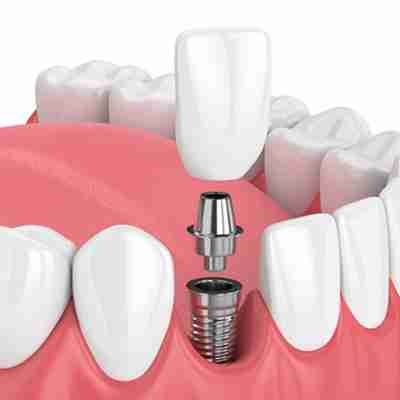
At their core, dental implants are small titanium posts that are surgically placed into the jawbone where teeth are missing. These metal anchors act as tooth root substitutes and are then capped with artificial teeth, restoring the smile’s integrity.
Why are Dental Implants Important?
Beyond aesthetics, a missing tooth can lead to bone loss in the jaw and other dental complications. Dental implants not only restore the look of a natural smile but also preserve facial contour and prevent further oral health issues.
History of Dental Implants
Believe it or not, the idea of dental implants isn’t new. Ancient civilizations attempted to replace missing teeth using various methods and materials.
Evolution Over the Years
From the use of bamboo pegs in ancient China to metal and seashell implants discovered in ancient Egyptian mummies, the journey of dental implants has been fascinating. Modern dental implants, made from titanium, have been in use since the 1970s and have undergone significant advancements in design and functionality.
Pioneers in Dental Implantology
Dr. Per-Ingvar Brånemark, a Swedish orthopedic surgeon, is often credited as the father of modern implantology. His groundbreaking research in the 1950s led to the development of the first successful titanium dental implant.
Types of Dental Implants
Not all implants are created equal. Depending on a patient’s needs and jawbone condition, different types of implants can be used.
Endosteal Implants
The most commonly used type, endosteal implants are placed directly into the jawbone and then topped with a prosthetic tooth or bridge once the surrounding tissue has healed.
Subperiosteal Implants
These are ideal for patients with shallow jawbones. The implant sits on top of the jawbone but under the gum line.
Dental Implants vs. Dentures
For years, dentures were the go-to solution for missing teeth. However, with the rise of dental implants, the dental landscape has seen a shift.
Key Differences
While dentures are removable prosthetics that sit on top of the gums, dental implants are permanently anchored into the jawbone, providing more stability and a natural feel.
Pros and Cons of Each
While dentures might be more cost-effective initially, they can lead to bone loss over time. Dental implants, on the other hand, have a higher upfront cost but offer long-term benefits like durability and bone preservation.
The Dental Implant Procedure
Getting dental implants isn’t just a single trip to the dentist. It’s a journey that ensures the best results for patients.
Initial Consultation
This is where the magic starts. The dentist assesses the patient’s oral health, takes X-rays, and plans out the implant procedure.
Surgical Procedure
Under local anesthesia, the dentist surgically places the titanium implant post into the jawbone. Over time, this post fuses with the bone in a process known as osseointegration.
Recovery and Aftercare
Like any surgery, recovery is crucial. Patients are advised to follow a soft diet and maintain oral hygiene to ensure the implant heals perfectly.
Materials Used in Dental Implants
The choice of material can impact the implant’s longevity and appearance.
Titanium Implants
The gold standard, titanium is biocompatible, which means it’s unlikely to be rejected by the body.
Zirconia Implants
A newer option, zirconia is white and might appeal to those looking for a metal-free solution.
Benefits of Dental Implants
From rejuvenating smiles to restoring confidence, the benefits of dental implants are vast.
Enhanced Aesthetic Appeal
Dental implants closely resemble natural teeth, giving patients a reason to smile again.
Improved Functionality
From biting into an apple to singing a tune, dental implants allow patients to do it all without hesitation.
Like all surgical procedures, dental implants come with their set of potential risks.
Common Challenges
From infection at the implant site to nerve damage, potential complications can arise, but they are rare.
How to Mitigate Them
Choosing an experienced dentist and following post-operative care instructions can minimize potential risks.
Cost of Dental Implants
Dental implants can be a significant investment, but they are worth every penny.
Factors Affecting Price
From the dentist’s expertise to the implant’s location, various factors can impact the cost.
Ways to Finance Dental Implants
Dr. Michael Koumas, DDS PC offers many financing options, and some insurance plans might cover a portion of the cost. No insurance? No problem! We have plans designed to save you money. Call our office today at (845)562-1108 today and ask one of our wonderful receptionists for details!
Dental Implants Maintenance
To ensure longevity, dental implants require care just like natural teeth.
Daily Care and Cleaning
Regular brushing, flossing, and using mouthwash can keep implants in top shape.
Regular Dental Check-ups
Routine visits to the dentist can ensure the implant remains in perfect condition.
FAQs About Dental Implants
Are dental implants painful?
The surgical procedure is done under anesthesia, so patients typically feel minimal discomfort. Post-operative pain can be managed with over-the-counter pain relievers.
How long do dental implants last?
With proper care, dental implants can last a lifetime.
How often will I need to replace the crown on the implant?
The implant itself is designed to last a lifetime. However, the crown or prosthetic might need replacement after 10 to 15 years, depending on wear and tear and how well it’s cared for.
Is the dental implant procedure safe for older adults?
Absolutely! Age is not a contraindication for dental implants. In fact, many seniors opt for implants to improve their quality of life by enhancing their ability to eat and speak without issues.
Do dental implants look natural?
Yes, one of the key advantages of dental implants is their natural appearance. They are designed to blend seamlessly with your existing teeth, ensuring that no one can tell the difference.
How do I know if I have enough bone for dental implants?
During your initial consultation, the dentist will take X-rays and, in some cases, a CT scan to assess the quality and quantity of your jawbone. If bone loss is an issue, procedures like bone grafting can be done to ensure a stable foundation for the implant.
What’s the success rate of dental implants?
Dental implants boast a high success rate, often exceeding 95%. The exact percentage can vary based on factors like the implant’s location in the jaw, the patient’s overall health, and the expertise of the dental surgeon.
Dental implants have truly revolutionized the realm of restorative dentistry. With their high success rate, natural appearance, and functionality, they have become the gold standard for tooth replacement. As technology advances, we can only anticipate even more refinements to the procedure, making it accessible to a broader range of individuals. If you’re considering dental implants, you’re not just investing in a dental procedure; you’re investing in a renewed sense of confidence, functionality, and overall well-being. The future is bright in the world of dental implants, and it’s a future worth smiling about.
Dental care, though often overlooked, plays a vital role in our overall health. Routine Dental Cleaning is an integral aspect of dental care that involves removing tartar and plaque from teeth. Not only does it offer a brighter smile, but it also ensures a healthier mouth, reducing the risk of dental diseases.
Embarking on a journey with routine dental cleaning can open doors to countless benefits:
Pristine Oral Health: Dental cleanings reduce the risk of cavities and gum diseases, both of which can lead to severe dental issues if ignored.
A Radiant Smile: Who wouldn’t want a dazzling smile? Dental cleanings help in removing stains that discolor the teeth.
Detect Dental Issues Early: Regular cleanings provide an opportunity for your dentist to detect any early signs of problems, ensuring timely interventions.
Importance of Dental Hygiene
A sparkling smile isn’t the sole aim of dental hygiene. It’s about ensuring that our mouths are clean and disease-free.
Importance of Regular Checkups
Consistent dental visits pave the way for a healthier mouth. It allows for early detection of potential problems, making treatments more effective and less invasive.
Why Brushing Alone Isn’t Enough
While brushing plays a pivotal role, it doesn’t reach the nooks and crannies where plaque builds up. Hence, professional cleaning becomes indispensable.
The Role of Professional Cleaning
Professional cleaning delves deeper than regular brushing or flossing, ensuring thorough cleaning, especially in hard-to-reach areas.
Routine Dental Cleaning Process
Embracing the process of dental cleaning can be enlightening if you know what to expect.
Preparing for the Cleaning
Arriving with a clean mouth can facilitate a smoother cleaning process. It’s recommended to brush and floss before your appointment.
Steps Involved in Dental Cleaning
Dental cleaning isn’t just about brushing and flossing. It involves:
Examination: The dentist will first check for signs of oral issues.
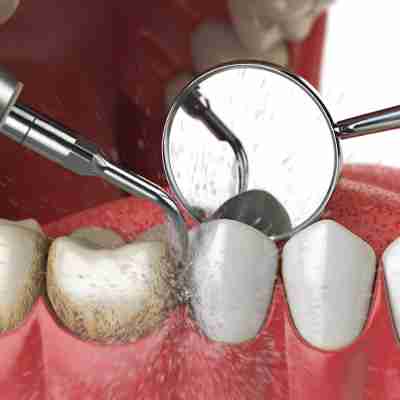
Tartar and Plaque Removal: Using specialized instruments, the dentist will gently remove plaque and tartar.
Teeth Polishing: To conclude, teeth are polished to remove any last traces of plaque.
Dental Instruments Used in Routine Cleaning
During a routine dental cleaning, various specialized instruments are meticulously employed to ensure the utmost care and precision.
Scaler
One of the primary tools is the Scaler, used to remove plaque and tartar from the tooth surfaces. The scaler has a fine-tipped end that is maneuvered to clean between teeth and along the gum line.
Polishing Cup
Following the scaler, a Polishing Cup is often used. This rubber tool, when paired with a gritty toothpaste, helps in buffing away any remaining plaque and in giving the teeth a shiny finish.
Dental Mirror
To examine teeth for cavities and other issues, a Dental Mirror is utilized, aiding the dentist in viewing hard-to-see areas in the mouth.
Curette
Additionally, Curette might also be used for deep cleaning below the gum line in areas exhibiting early signs of gum disease.
Each of these instruments plays a pivotal role in ensuring a comprehensive and thorough cleaning, maintaining optimal dental health.
Post-Cleaning Care Tips
To maximize the benefits of your dental cleaning, ensure you follow the dentist’s advice on post-cleaning care, which might include suggestions on brushing techniques or products to use.
It’s primarily to remove tartar and plaque from teeth, ensuring better oral health.
How often should I opt for Routine Dental Cleaning?
Generally, it’s recommended every six months, but it can vary based on individual oral health.
Is Routine Dental Cleaning painful?
Not usually. Most people find it slightly uncomfortable but not painful.
Can I eat immediately after my cleaning?
It’s best to wait for at least half an hour. If fluoride is applied, wait for at least an hour.
How can I maintain the effects of my dental cleaning?
Regular brushing, flossing, and following any additional advice your dentist provides.
Are there any risks associated with dental cleaning?
While generally safe, some might experience slight gum sensitivity post the cleaning.
Why is brushing alone insufficient for oral hygiene?
While brushing is crucial, it can’t always reach the hard-to-access areas where plaque tends to build up. Regular professional cleanings ensure these areas are also kept clean.
What can I expect during the examination phase of dental cleaning?
During the examination, the dentist checks for signs of oral issues, such as cavities or gum diseases, using mirrors and other instruments to get a clear view of all areas inside the mouth.
What is the difference between plaque and tartar?
Plaque is a soft, sticky film that builds up on teeth and contains bacteria. If not removed timely, plaque hardens and turns into tartar, which can only be removed with professional cleaning.
How can dental cleanings contribute to a radiant smile?
Dental cleanings effectively remove stains caused by coffee, tea, or tobacco, resulting in whiter teeth and a more radiant smile.
Is there any specific care required after a dental cleaning?
Post-cleaning, it’s essential to maintain regular oral hygiene practices like brushing and flossing. Additionally, one should follow any specific recommendations or products suggested by the dentist to maximize the benefits of the cleaning.
Routine Dental Cleaning, far from being just a cosmetic procedure, is a health imperative. In the hustle and bustle of life, it’s essential to spare a thought (and time) for our oral health, ensuring a healthier, happier, and brighter tomorrow.
Dental crowns are nothing short of a revolution in the dental domain. These nifty, cap-like fixtures, when snugly placed over a tooth, restore its aesthetics and function. Beyond just enhancing the look of a damaged tooth, they act as a protective shield, offering strength and longevity.
Think of dental crowns as protective helmets for your teeth. They are custom-made covers placed on teeth that have undergone significant damage or decay. We either use dental crowns to replace the crown of a tooth to preserve the root, or we use them after root canals to prevent further decay. We also place dental crowns over implants to serve as replacements for teeth in that spot. Whether it’s from a sporting injury or an unfortunate bite into a hard candy, dental crowns can come to the rescue.
Importance of Dental Health
Dental health is not just about a beautiful smile; it’s intertwined with our overall health. Poor dental health can lead to infections, which, if unchecked, can spread to other parts of the body, making routine dental check-ups and procedures like dental crowns essential.
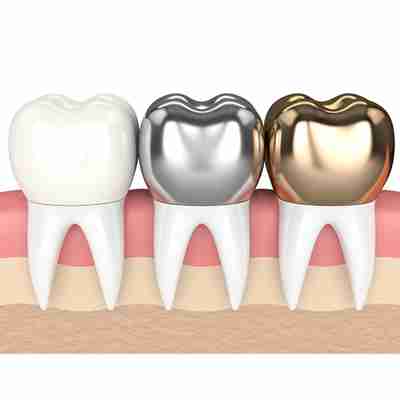
Gold or other metal alloys constitute these crowns. Their unparalleled strength makes them a preferred choice for back teeth, ensuring they last a lifetime with minimal wear.
Offering the durability of metal with the aesthetic beauty of porcelain, these crowns are versatile. They’re ideal for both front and back teeth, ensuring a seamless blend with the natural teeth.
While they’re more affordable than their counterparts, all-resin crowns tend to wear down over time and are more susceptible to fractures.
All-Ceramic or All-Porcelain Crowns
The epitome of natural appearance! They offer the best color match to natural teeth, making them a top choice for front teeth.
Stainless Steel Crowns
Primarily used as a temporary measure, especially on children, they protect the tooth or filling while a permanent crown is being prepared.
Benefits of Dental Crowns
Restoring Damaged Teeth
From cracks to extensive decay, dental crowns are the perfect solution to bring your tooth back to its original form.
Enhancing Cosmetic Appearance
For teeth that are discolored or badly shaped, dental crowns provide a makeover, ensuring a brighter and more aligned smile.
Strengthening Weak Teeth
Protect a fragile tooth from breaking or hold parts of a cracked tooth together. Dental crowns add a layer of strength and protection.
The Procedure of Getting Dental Crowns
Initial Consultation
This is where discussions about the need, type, and cost of the crown take place. Your dentist will take X-rays to examine the roots of the tooth and surrounding bone.
Preparing the Tooth
This involves removing the outer portion to accommodate the crown. An impression is then made to provide an exact model for the crown.
Placing the Crown
With the crown prepared, your next visit will involve its placement. Once adjusted for fit and comfort, it’s cemented into place.
Cost and Financing of Dental Crowns
Factors such as the crown’s material, the expertise of the dentist, and geographical location play a pivotal role in determining cost. However, insurance can cover a portion, and many dental offices offer financing options, easing the burden.
Dental Crowns Maintenance Tips
A crown can last a lifetime, but they do sometimes come loose or fall out. The key is to practice good oral hygiene.
Regular Cleaning and Check-ups
Much like natural teeth, crowns need regular brushing and flossing. Scheduled check-ups allow your dentist to review the crown and make adjustments if necessary.
Avoiding Hard Foods
Avoid habits like grinding or clenching your teeth, and be cautious when eating hard foods which can damage the crown.
Using Night Guards
For those who grind their teeth at night, a night guard can ensure the longevity of your dental crown.
Comparing Dental Crowns to Other Dental Solutions
Dental Bridges
Unlike crowns that cover a tooth, bridges replace missing ones by bridging the gap created by one or more missing teeth.
Dental Implants
A popular and long-lasting solution for missing teeth. The implant is surgically placed in the jawbone, offering strength and stability.
Dentures
An age-old solution for missing teeth. They’re removable and can replace all or some of your teeth.
Challenges and Risks Associated with Dental Crowns
Sensitivity
After the procedure, the crowned tooth may become sensitive. Usually, this sensitivity subsides after a few days.
Crown Loosening
Over time, the crown can become loose due to underlying tooth decay, impacting the fitting.
Chipping or Breaking
Porcelain crowns, in particular, can chip or break. Small chips can be repaired without removing the crown, but larger breaks may require replacement.
FAQs
Why are dental crowns needed?
Dental crowns are essential to protect, cover, and restore a tooth’s shape when fillings are insufficient.
How long do dental crowns last?
They typically last between 5 and 15 years, depending on oral care and wear and tear.
Can a crowned tooth get cavities?
Yes, decay can develop where the gum meets the crown.
Are crown placement painful?
The procedure itself isn’t painful due to anesthesia, but there might be mild discomfort after it wears off.
How should I care for my dental crown?
Maintain oral hygiene, avoid hard foods, and have regular dentist check-ups.
Are there alternatives to dental crowns?
Yes, dental veneers, fillings, and bonding, among others. Every situation is unique, therefor it’s important to ask your dentist about alternatives during your appointment.
Final Thoughts on Dental Crowns
In the realm of dental restorative procedures, dental crowns reign supreme. Whether it’s about bringing a decayed tooth back to life or just cosmetic enhancement, dental crowns are the answer.
Smiles are contagious, but for some, they’re also a source of self-consciousness. If you’ve lost a tooth or several, you’re likely familiar with the impact it can have on your confidence and day-to-day life. Enter the dental bridge, a sturdy solution to bridge the gap and restore that charming grin.
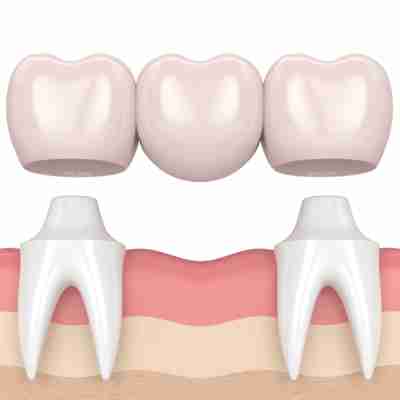
A dental bridge is a fixed dental restoration used to replace one or several missing teeth by joining an artificial tooth definitively to adjacent teeth or dental implants. These bridges are cemented to the natural teeth or implants surrounding the empty space, serving as anchors.
Types of Dental Bridges
Dental bridges come in various flavors. The traditional bridge involves creating a crown for the tooth or implant on either side of the missing tooth, with a pontic (or false tooth) in between. Cantilever bridges, on the other hand, are used when there are adjacent teeth on only one side of the missing tooth or teeth. Maryland bonded bridges involve metal or porcelain wings often on just one side of the bridge being bonded to your existing teeth.
Materials Used in Dental Bridges
From porcelain to ceramics and even metals, the materials used for dental bridges can vary based on aesthetics, strength, and cost. Porcelain fused to metal offers both strength and a natural appearance, while ceramics can be matched to your natural tooth color.
The Importance of Dental Bridges
Restoring Your Smile
Lost tooth? No problem! Dental bridges fill the gap in your smile, making it whole again. Not only is this a boost for self-esteem, but it also ensures a proper bite distribution.
Maintaining Oral Health
Gaps can cause a shift in the remaining teeth, leading to a bad bite. Dental bridges help maintain the shape of your face and alleviate the stress on your bite, ensuring oral health isn’t compromised.
Enhancing Speech and Eating Abilities
Missing teeth can hinder your ability to speak clearly and chew food. With dental bridges, enunciation becomes clearer, and eating is a joy, not a chore.
Procedure of Getting a Dental Bridge
Initial Consultation
Before diving into the process, a dentist will assess the health of your gums and other teeth to ensure a dental bridge is suitable. This step might include X-rays to get a clear picture of the situation.
Preparation Stage
The adjacent teeth are prepared by contouring them to form abutments. Impressions of the teeth are taken, which serve as a model from which the bridge, pontic, and crowns will be made.
Fitting of the Dental Bridge
Once the dental bridge is ready, the temporary bridge is removed, and the new bridge is adjusted to achieve a proper fit. Multiple visits might be required to check and adjust the fit.
Care and Maintenance of Dental Bridges
Cleaning Tips
Just like natural teeth, bridges need care. Regular brushing, flossing, and using an antiseptic mouthwash can keep them shining for years.
Regular Dental Checkups
Regular check-ups ensure that your bridge is in good shape and helps detect any potential issues early on.
Avoiding Certain Foods
Avoid chewy or hard foods that might dislodge the bridge. Treat your dental bridge gently to ensure longevity.
Benefits and Limitations
Advantages of Dental Bridges
From restoring smiles and maintaining facial structure to redistributing bites evenly and preventing teeth from drifting out of position, the advantages are numerous.
Potential Drawbacks
While they offer numerous benefits, dental bridges can also come with potential drawbacks, like the reduction of adjacent teeth and the potential for these teeth to become sensitive.
Implants are a more permanent solution, requiring a surgical procedure. They can be pricier but tend to last longer than bridges.
Dentures
Dentures are removable, unlike bridges. They can replace multiple missing teeth but might not be as stable as a dental bridge.
Cost and Insurance Coverage
Factors Affecting Cost
The price of a dental bridge can vary based on the type, materials used, and the complexity of the placement.
Insurance and Financing Options
Many dental insurance plans cover a portion of the cost of bridges. It’s essential to discuss this with your provider to understand your coverage and out-of-pocket expenses.
FAQs
How long does a dental bridge last?
Typically, dental bridges can last five to fifteen years or even longer with good oral hygiene and regular checkups.
Can I eat normally with a dental bridge?
Yes, once your dental bridge is cemented into place, you can eat normally.
How quickly can I get a dental bridge?
The process usually takes two or three appointments over several weeks.
Is a dental bridge painful?
Local anesthesia can be used, and most people find the process relatively painless.
Can dental bridges be whitened?
No, existing bridges can’t be whitened, but they can be replaced if you desire a different shade.
What happens if my bridge falls out?
If your bridge falls out, contact your dentist immediately. Avoid trying to glue it back yourself.
A dental bridge is more than just a dental procedure—it’s a bridge to confidence, health, and normalcy. While there are various options to consider when replacing missing teeth, dental bridges stand out for their longevity, functionality, and aesthetic appeal.