

Chipped or broken teeth are more common than you think. And yes, the price can be all over the map. In 2026, families in Newburgh and beyond face a wide spectrum of options, from quick fixes to permanent replacements. The good news: you don’t have to guess or fear surprise bills. This short list breaks down 9 proven treatments, what they cost, what they deliver, and when to choose them. You’ll also get usable steps to compare options and a clear path to the right care for your mouth and your budget. We’ll show you how Dr. Koumas and our team at the Newburgh practice can bundle care and offer flexible payment options to make repairs affordable. You’ll leave with a usable sense of what fits your smile today and your wallet tomorrow.
We start with the most affordable, fastest repair and move toward long‑term, high‑value solutions. Throughout, you’ll see real‑world tips, patient‑friendly language, and a usable way to think about value over cost alone. If you want to dive deeper into bonding, I’ll point you to a straightforward overview from Dr. Koumas. And if you’re scheduling any repair, you’ll learn how to ask for clear pricing and a treatment plan that fits you.
Now, let’s walk through the nine options. Each one has a typical use case, a rough cost frame, and usable tips to help you compare fairly. We’ll also note how insurance might apply and what kinds of financing a local practice can offer to keep care affordable.
1. Dental Bonding , Quick, Low‑Cost Fix
Bonding is often the first line of defense for a chipped or small cracked tooth. It uses a tooth‑colored composite resin that’s applied in a few steps: the surface is prepared, a bonding agent is added, the resin is sculpted to match the bite, and a light cures the material to harden it. The goal is to blend the repair with your natural tooth so no one notices the fix, yet you regain full function. Bonding is typically completed in one visit, which makes it a popular choice when speed and comfort matter.
Cost is a big driver for bonding. In general, bonding tends to be lower in cost than indirect restorations that require lab work. It’s a good option for small chips, minor rough edges, or cosmetic touch‑ups on front teeth where appearance matters most. There are tradeoffs, though. Bonded fillings can wear down faster than crowns or veneers, and larger repairs may require more prep or a different approach to avoid future fractures. If a tooth is structurally weak, we may still recommend a crown down the line to protect it from future breakage.
What should you do next? First, schedule a quick consult so we can assess whether bonding is right for your tooth and bite. If you’re uninsured or paying out of pocket, ask about an in‑house plan or a simple financing option. Bonding works well when the goal is to restore function and appearance with minimal downtime. For more on bonding basics from a trusted clinician, you can read Dental bonding – Wikipedia.
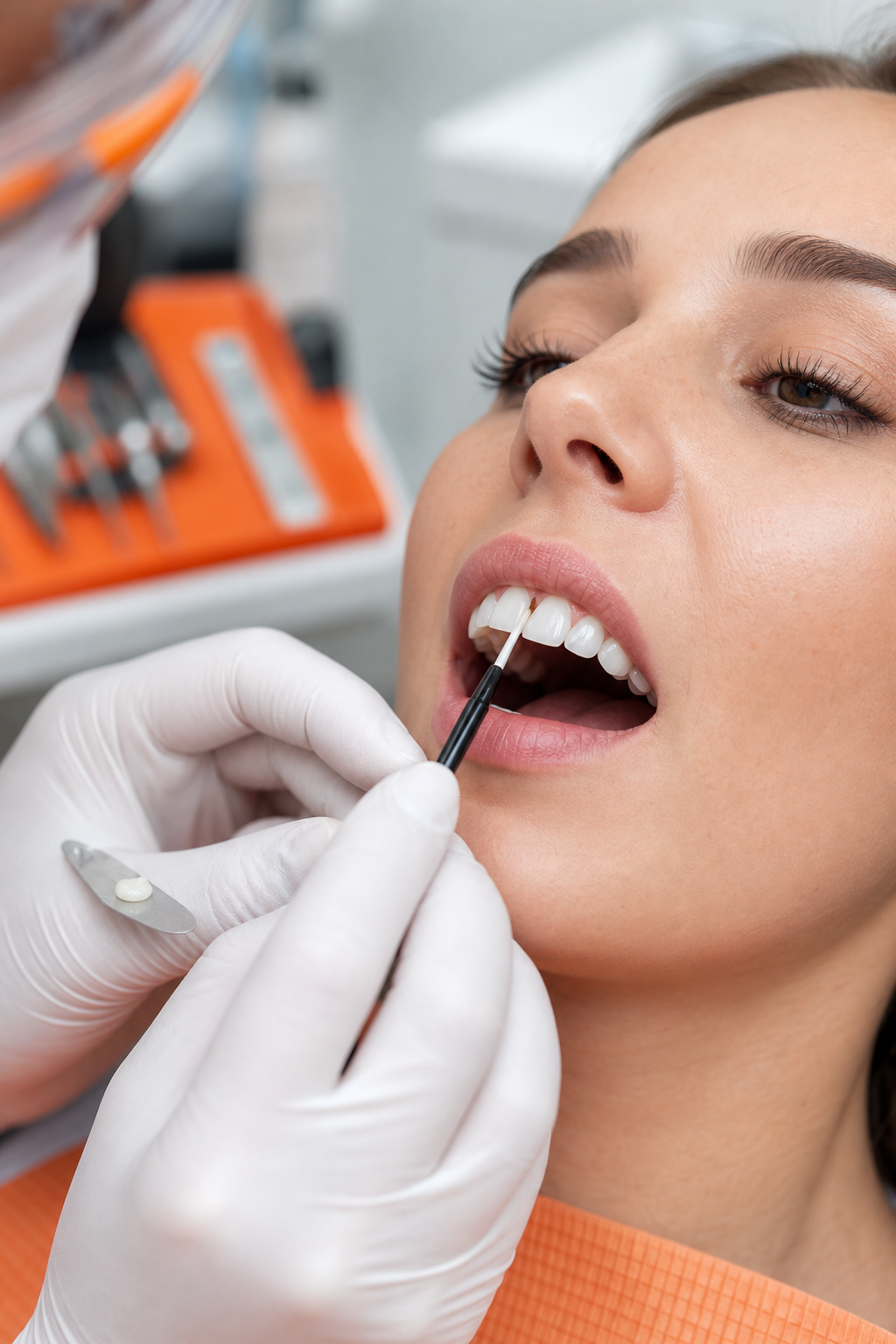
Bonding is a smart starter option for many chipped teeth. It’s quick, affordable, and can buy you time while you decide on a longer‑term path if needed. If you’d like to explore bonding more deeply, I’ve linked to a thorough overview above.
2. Porcelain Veneers , Cosmetic Upgrade
Porcelain veneers are thin shells that cover the front surface of the tooth. They’re designed to address chips, cracks, and discoloration all at once, delivering a dramatic cosmetic transformation. Veneers are typically a two‑visit process: one for prepping the tooth and taking an impression, and a second for fitting and bonding the veneer. The material is strong, stain‑resistant, and very lifelike, which makes veneers a popular choice for patients who want a flawless smile or to correct multiple minor flaws at once. They’re ideal for front teeth where a uniform shade and shape matters most.
There are tradeoffs to veneers. They require removal of a small amount of tooth enamel, which is irreversible. If a tooth is heavily damaged or lacks enamel, veneers may not be the best option. In such cases, crowns or other restorative options could be a better fit. Insurance coverage varies by plan and region, but many cosmetic procedures are partially covered when there’s a functional need. In the end, veneers deliver a striking aesthetic upgrade, but they’re less forgiving than bonding when it comes to structural concerns.
To learn more about how veneers compare with bonding, you can compare insights from reputable sources and clinician guidance. For a clinician‑oriented overview from Dr. Koumas, see Dental Bonding 101: A Complete Overview. And for a general reference on the cosmetic approach, you can explore Dental veneers – Wikipedia.
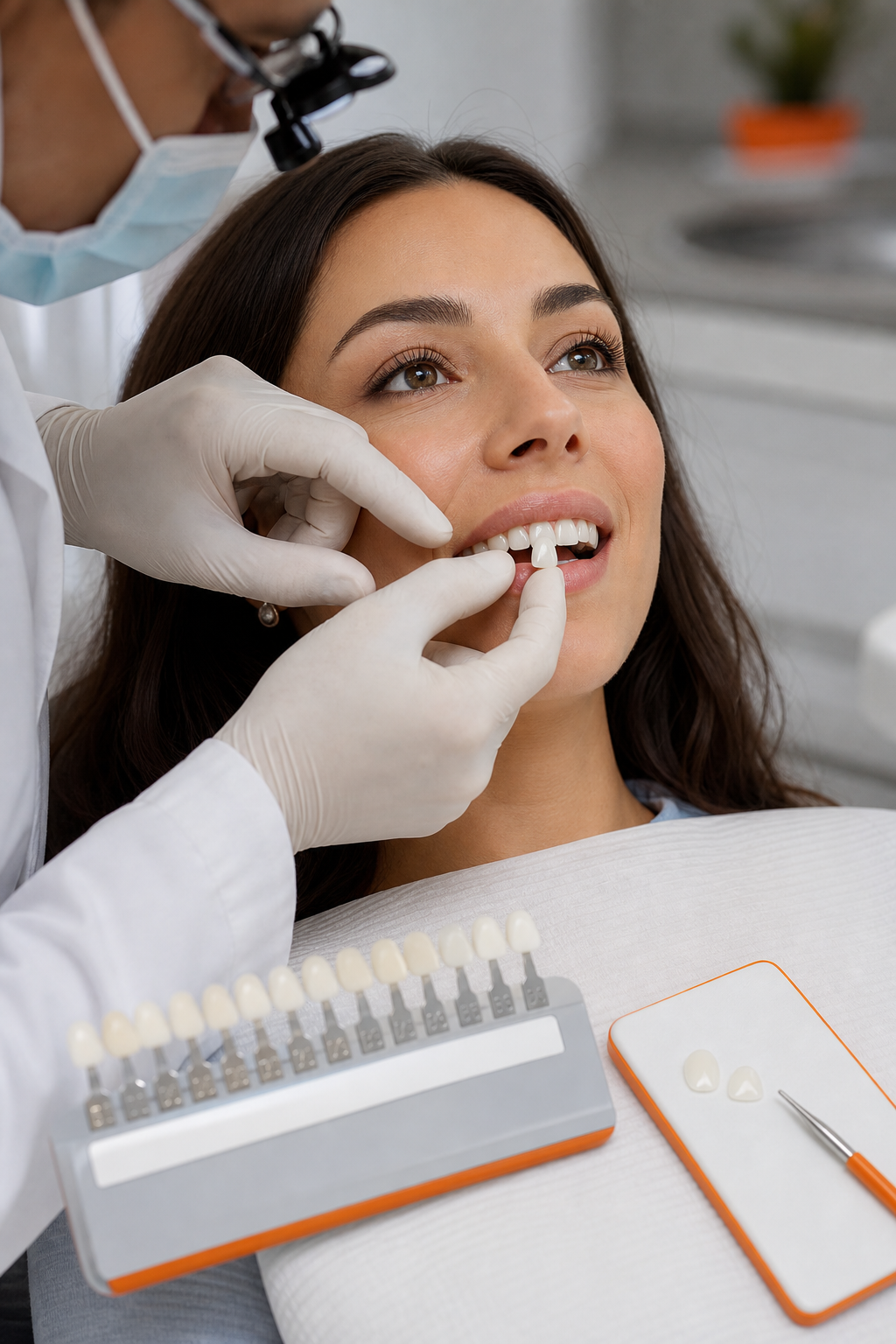
We understand that veneers can be a stunning upgrade when you’re aiming for a perfect smile. They pair well with whitening and other cosmetic steps, but they require careful planning and a small amount of enamel removal. If you’re considering veneers, we invite you to discuss the long‑term plan and maintenance with us, and think about how they fit into your overall oral health journey.
3. Dental Crowns , Strength & Longevity
Crowns are hollow, tooth‑shaped caps that cover a damaged tooth to restore strength, function, and appearance. They’re often recommended when a tooth has a large chip or when a root canal has weakened the tooth. Crowns can be made from various materials, including porcelain, ceramic, or metal alloys, and they’re typically cemented in place after tooth preparation. A crown can be the best option when the goal is to preserve the natural tooth and prevent further fracture.
Cost is the big trade‑off here. Crowns are more expensive than bonding or simple fillings, but they tend to last longer and offer better protection for a compromised tooth. The number of visits can vary: some crowns are done in two visits, with the first to prepare and take impressions and the second to place the final crown after lab fabrication. Insurance coverage often applies if there’s a decay or fracture that affects function and tooth integrity.
In the world of long‑term value, crowns often outperform bonding for teeth that see heavy chewing or are in a high‑stress area of the mouth. They’re a reliable choice for restoring a tooth that needs both strength and a natural look. For a quick factual reference on crowns, see Dental crown – Wikipedia.
4. Root Canal + Crown , Deep Repair
When decay or injury reaches the inner pulp, a root canal becomes necessary to clear infection and save the tooth. After the canal is cleaned and sealed, a crown is often placed to restore strength and protect the now‑vulnerable root structure. This combo is common and effective for preserving a natural tooth when bite forces and wear could cause future fractures. The initial root canal can be done in one or two visits, depending on complexity, followed by a crown placement after the tooth has healed and stabilized.
Pros include maintaining your natural tooth and often avoiding extraction. Cons include the need for lab work and the potential for tooth sensitivity during the healing phase. Insurance coverage commonly helps with both root canals and crowns, though the exact percentages vary by plan. If you’ve had an infection, your dentist will discuss the prognosis and maintenance steps after the procedure to minimize future problems.
To a usable point, a root canal plus crown tends to be a smart long‑term investment when the goal is to keep your tooth and bite intact. For general guidance about how dentists approach this repair, Dr. Koumas provides a straightforward overview in his practice materials. See Dental Bonding 101: A Complete Overview for related concepts, and for an accessible general reference, you can read Dental crown – Wikipedia.
5. Dental Implants , Permanent Replacement
Implants are the most permanent option for a missing tooth. An implant is a small titanium post surgically placed into the jawbone. After a healing period, an implant crown is attached to the post. Implants replicate the look, feel, and function of a natural tooth, and they don’t require adjacent teeth to be altered. They’re widely regarded as a top long‑term solution for missing teeth, especially when you want a fixed replacement that behaves like your own tooth and helps preserve bone.
Candidates for implants need healthy gums and adequate bone density. Some patients may require bone grafts to ensure a stable foundation for the implant. The process takes time, from planning to placement to final crown, and requires careful coordination with your dentist and, at times, an oral surgeon. Insurance coverage varies, and financing options can help make implants affordable for many families.
In our practice here in Newburgh, we often frame implants as a long‑term investment in function and confidence. For a quick primer on the concept of implants, you can check Dental implant – Wikipedia.
6. Dental Bridges , Fixed Replacement
A dental bridge spans the gap left by a missing tooth by anchoring to the adjacent teeth. Bridges are a fixed option, no removal needed by the patient, and they can restore function and aesthetics. The trade‑offs: the adjacent teeth must be prepared (shaped) to hold the bridge, which can impact long‑term tooth health in those areas. Bridges are reliable and faster to place than implants, but over time they rely on two (or more) natural teeth for support, which can be a consideration as you weigh options for the long run.
Costs vary by material (porcelain, ceramic, metal‑ceramic) and lab work. Insurance coverage often helps with bridges when they’re needed to restore function rather than purely cosmetic fixes. The decision between a bridge and an implant often comes down to bone health, bite dynamics, and personal preferences about how much alteration you’re willing to accept in adjacent teeth.
7. Partial Dentures , Removable Solution
Partial dentures are removable replacements for one or more missing teeth. They sit on a framework and are anchored to the remaining teeth or gums. Partial dentures are often the most economical option upfront and can be a good bridge until a more permanent solution is pursued. They’re usable for many families, especially when cost is a primary concern or when multiple teeth are missing. The key trade‑offs are comfort, stability, and how long they hold up with wear and mouth movements.
Partial dentures come in several styles and materials, from acrylic to flexible polymers. They’re typically adjustable and can be a good short‑term plan while you evaluate implants, bridges, or other fixed solutions. Insurance coverage varies, and some plans handle partial dentures differently based on the design and materials used.
8. Tooth Extraction & Healing , Last Resort
Sometimes the tooth is too damaged to save. In those cases, extraction may be the best path to relieve pain and prevent infection. Extraction is often followed by a plan for replacement, whether that’s an implant, a bridge, or a denture. Healing times vary by tooth and method, but most people recover within a couple of weeks with proper aftercare. The cost of extraction depends on whether it’s simple or surgical, anesthesia needs, and whether additional steps, like bone grafts, are required to support a future restoration.
Even when extraction is needed, you’ll still have options for replacing the tooth. Our team can guide you through implants, bridges, or dentures that fit your mouth and budget. We focus on keeping you comfortable and informed so you understand the trade‑offs of each option.
9. In‑Office Direct Fillings , Quick Lab‑Free Option
Direct fillings are a lab‑free, office‑based solution to repair decay or damage on the spot. They’re quick, cost‑effective, and typically completed in a single visit. Materials range from composite resin to more durable options, and the choice depends on the location of the tooth, the extent of damage, and aesthetic needs. Direct fillings are a workhorse for small to mid‑sized repairs where speed and affordability are priorities. Insurance coverage for fillings is common, and many plans cover them as a standard preventive or restorative service.
Direct fillings can be an excellent short‑term fix while you plan a longer‑term restoration later. They’re not always the best option for large fractures or structurally compromised teeth, but they do buy you time without a lab bill. If you’re weighing options, ask about the durability and bite integration of the chosen material and how long you can expect it to last in your mouth.
For a quick, friendly primer on fillings from our practice, and for a broader bonding overview, visit Dental Bonding 101: A Complete Overview.
How to Choose the Right Repair Option
Choosing the right option starts with a careful look at the damage. A small chip on a front tooth is often best with bonding or a direct filling. A larger fracture, especially one that compromises the tooth’s core or asymmetry in the bite, may call for a crown or root canal plus crown. If a tooth is missing or the bite is unstable, an implant, bridge, or partial denture might be the right path. The patient’s health, budget, and long‑term goals all matter. It’s about balancing function, aesthetics, and the risk of future problems.
In practice, we map out a short list of viable options, then rank them by cost, number of visits, and likelihood of needing replacement in 5, 10 years. Insurance coverage typically lowers the out‑of‑pocket cost for medically necessary procedures, and many offices offer flexible payment plans to ease the upfront burden. The most important step is to get a clear, written treatment plan with itemized costs before you consent to anything. For a usable, clinician‑driven overview of how to think through these choices, s above and talk with our team about how we approach a personalized plan for you.
Video reference
For a visual walkthrough of common fractured tooth scenarios, watch the video embedded earlier in this article. It offers a usable sense of how understanding the fracture type informs the repair choice.
Comparison of Treatment Options
FAQ
What affects the cost of broken tooth repair?
Several factors drive price: the tooth’s location, the repair type, the amount of lab work, and whether a root canal or bone graft is needed. Your insurance plan and the dentist’s location also shape cost. We’ll help you parse these variables step by step, so you know what to expect before you commit to a treatment. The goal is to give you a clear plan with transparent pricing and options to fit your budget.
Will insurance cover chipped tooth repairs?
Insurance coverage varies by plan and by the specific procedure. In many plans, basic fillings and simple crowns are covered to a substantial portion when medically necessary, while purely cosmetic work may be excluded. If coverage is limited, we can review financing options or a payment plan to reduce out‑of‑pocket costs. The key is to get a written estimate and confirm what your policy will cover before starting treatment.
Which option lasts the longest?
Implants and crowns generally offer the longest life expectancies, often 10, 20 years or more with proper care. Veneers and bonding tend to wear over time and may require replacement or maintenance, especially with habitual grinding or heavy bite forces. Your bite, enamel health, and habits like grinding affect longevity. Regular cleanings and good oral hygiene are essential to maximize any option’s lifespan.
How many visits does a typical repair require?
Most repairs require one to two visits. Bonding and direct fillings are usually done in a single visit. Crowns and veneers typically need two appointments, with lab work between visits. Implants require multiple steps over several months. Your dentist will map a precise schedule in your written treatment plan so you know exactly what to expect and when.
Is it ever best to save a tooth with a root canal?
Saving a tooth with a root canal is often best when infection threatens the tooth’s health or a fractured tooth is still salvageable. Keeping your natural tooth helps preserve bone and bite function. In some cases, extraction followed by an implant or bridge offers a better long‑term outcome. Your dentist will weigh health, bite dynamics, and finances to guide this decision.
What should I ask at my first visit for a chipped tooth?
Ask for a written treatment plan with steps, costs, and expected visits. Clarify which options require lab work, whether an immediate fix is feasible, and what the long‑term maintenance will look like. Also ask about financing and whether any in‑house plans can reduce your upfront bill. A clear plan helps you compare truly and choose confidently.
How soon should I repair a chipped tooth?
As a rule, don’t delay if you have tooth pain, sensitivity, or swelling. Small chips can worsen if left untreated, and larger fractures can lead to infection. A timely evaluation lets your dentist stop problems early, keep costs predictable, and protect your smile’s function and appearance for years to come.
Next Steps
In 2026, you don’t have to be overwhelmed by the cost of broken tooth repair. This shortlist highlights nine paths, from quick bonding to permanent implants, so you can balance budget with bite, beauty with function. The best approach is to start with a candid evaluation, then map a plan that covers the damage, your goals, and the realities of your wallet. Our team at Dr. Koumas, DDS, is dedicated to helping Newburgh families get clear quotes, flexible financing, and care that fits their lives. We’re here to help you choose a path that keeps your mouth healthy and your budget intact. If you’re ready to review options with a trusted local partner, start by talking with us about a personalized plan that meets your needs.
FAQ, pricing, and treatment plans evolve with your mouth. We’ll be with you every step of the way, from initial exam to final restoration, with a focus on comfort, clarity, and long‑term results. If you’d like to explore more about bonding, fillings, or other repairs, you can read the pages linked earlier or talk to our team for a face‑to‑face plan tailored to your smile.
We appreciate your trust in our care. If you’re ready to move forward, we’ll help you pick a path that fits your needs and budget. You’re not alone in this journey, we’re with you, every step of the way.
