The Importance of Maintaining Your New Smile After Cosmetic Dentistry Results
Cosmetic dentistry Newburgh has become increasingly popular in recent years and for good reason. It offers a range of procedures that can help improve the appearance of your teeth, resulting in a brighter, more confident smile. From teeth whitening to orthodontic treatments, cosmetic dentistry is an excellent way to improve your oral health and enhance your overall appearance.
But as with any investment in yourself, it’s important to take steps to maintain the results of your cosmetic dental procedure. Whether you’ve had veneers, implants or a full mouth reconstruction, following proper oral hygiene practices will help ensure that you enjoy your new smile for years to come.
One of the key benefits of cosmetic dentistry is that it can improve both your physical and emotional health. When you feel confident about your smile, it can have a positive impact on all areas of your life – from professional success to personal relationships.
But if you neglect proper care after undergoing treatment, you could be putting all those benefits at risk. To ensure that you get the most out of your cosmetic dental procedure and maintain optimal oral health long term, let’s take a closer look at some tips for keeping your new smile looking its best.
The Importance of Brushing and Flossing Regularly
Congratulations on your new smile! After undergoing cosmetic dentistry, you’re likely thrilled with the results.
But, it’s important to remember that maintaining your new smile requires some effort on your part. One of the most fundamental things you can do is to brush and floss regularly.
This may seem like a no-brainer, but it’s easy to fall into bad habits or skip brushing and flossing when you’re busy or tired. Maintaining good oral hygiene is crucial in preventing oral health problems such as gum disease and tooth decay.
Brushing twice a day using fluoride toothpaste and flossing at least once a day can go a long way in keeping your teeth healthy and free from plaque buildup. Plaque buildup can lead to discoloration, cavities, bad breath, and more serious dental issues if left untreated.
Recommended Brushing Techniques
Brushing properly is just as important as brushing regularly. Use a soft-bristled brush in gentle circular motions for two minutes each time you brush.
Be sure to brush all surfaces of your teeth including the front, back, top, and sides. Pay attention to hard-to-reach areas like molars and use short back-and-forth strokes when brushing chewing surfaces.
While it may be tempting to scrub aggressively when brushing your teeth, doing so can actually damage tooth enamel over time. Instead of using forceful strokes or saw-like movements, use gentle pressure when brushing.
Recommended Flossing Techniques
Flossing can be tricky at first but with practice gets easier over time! Start by cutting about 18 inches of floss from the roll then wrap most around one middle finger once or twice leaving some excess length for gripping with the other hand’s middle finger (only wrap 1-3 times so there’s plenty of floss to use). Hold the floss taut between your thumbs and index fingers and gently slide it between your teeth.
Curve the floss against one tooth and carefully move it up and down the tooth, making sure to reach below the gum line. Repeat for all teeth, using a fresh section of floss each time.
Remember, good oral hygiene practices are key to keeping your new smile healthy and beautiful for years to come. Stick with it!
Tip #2: Avoid Staining Foods and Drinks
The Culprits: Foods and Drinks That Can Stain Teeth
You’ve heard it before, but it’s worth repeating: you are what you eat (and drink). This is especially true when it comes to the appearance of your teeth. Certain foods and drinks can cause discoloration, dullness, or even yellowing of your teeth.
Here are some common culprits: 1. Coffee – Sorry coffee lovers, but that morning cup of Joe can lead to stains on your pearly whites.
2. Tea – Whether black or green tea, both contain tannins which can cause staining. 3. Red Wine – The red color and natural acidity in wine make it a serious contender for tooth staining.
4. Berries – Blueberries, raspberries, blackberries all contain pigments that can leave a mark on your teeth. These are just a few examples of the many foods and drinks that can stain your teeth over time.
Alternative Options
If you’re not ready to give up your daily cup (or cups) of coffee just yet, there are still ways to minimize the risk of staining on your teeth. Here are some alternative options:
1. Use a straw when drinking beverages that could potentially stain. 2. Brush or rinse with water immediately after consuming staining foods or drinks.
3. Opt for lighter-colored liquids like white wine instead of red wine or clear spirits instead of dark ones like whiskey. Remember that moderation is key when it comes to consuming these items.
Enjoy them in small amounts rather than making them a regular part of your diet. By being mindful about what you eat and drink as well as taking steps to minimize the risk of staining, you’ll be able to maintain a bright smile long after cosmetic dentistry procedures have been completed!
Tip #3: Wear a mouthguard during physical activities
The Risk of Dental Injuries During Physical Activities
We all know that physical activities are great for both our mental and physical health, but they can also pose a risk to our dental health. Participating in contact sports, such as football or hockey, can put your teeth at risk of being knocked out or damaged. Even non-contact sports like basketball or skateboarding can result in dental injuries if you fall or collide with another player.
These types of injuries can be incredibly painful and costly to repair. Not only can dental injuries cause lasting damage to your teeth, but they can also lead to other long-term oral health issues if left untreated.
For example, a fractured tooth may require root canal treatment if the inner pulp is exposed, while a knocked-out tooth may require an implant or bridge to replace it. By wearing a mouthguard during physical activities, you can significantly reduce the risk of dental injuries and protect your smile.
The Benefits of Wearing a Mouthguard
Wearing a mouthguard is one of the simplest ways to protect your teeth during physical activities. A mouthguard is typically made from soft plastic material and covers the upper teeth to cushion any impact to the face or jaw. It acts as a shock absorber by dispersing the force of impact throughout your mouth rather than concentrating it on one tooth.
By wearing a properly fitted mouthguard during physical activities, you not only protect your teeth from potential injury but also reduce the likelihood of suffering from other oral health issues like jaw fractures, concussions, and neck injuries caused by trauma. Wearing a mouth guard might feel strange at first but its benefits extend beyond its primary purpose- protecting one’s smile- which includes avoiding long-term oral health issues that could be even more costly than repairing damaged teeth alone.
The Importance of Regular Dental Check-ups
One of the most important things you can do after undergoing cosmetic dentistry is to schedule regular dental check-ups with your dentist. These check-ups will allow your dentist to monitor the health and appearance of your teeth, gums, and mouth in general.
This is especially important after cosmetic dentistry because there may be changes that need to be monitored. During a dental check-up, your dentist will perform a thorough examination of your mouth to look for any signs of problems such as tooth decay or gum disease.
They may also take X-rays to get a closer look at the structure of your teeth and jawbone. If any issues are found, they can be addressed early before they become more serious.
Recommended Frequency for Check-ups
The frequency of dental check-ups after cosmetic dentistry will vary depending on individual circumstances. However, it is generally recommended that you visit your dentist every six months for a routine check-up and cleaning. This allows for early detection and prevention of any potential problems.
In some cases, more frequent visits may be necessary. For example, if you have underlying issues such as gum disease or enamel erosion, you may need to visit the dentist more often for maintenance and monitoring.
Why Regular Check-Ups Are Important After Cosmetic Dentistry Results
Regular dental check-ups are crucial after cosmetic dentistry Newburgh because they ensure that your investment in improving the appearance of your smile remains intact. Your new smile needs to be maintained just like any other aspect of your overall health so that it looks great for years to come. Additionally, regular visits allow your dentist to catch any potential issues early on so that they don’t become bigger problems down the line.
This proactive approach can save you both time and money in the long run by preventing expensive procedures or oral health complications. Don’t neglect regular dental check-ups after cosmetic dentistry.
They are an essential part of maintaining your new smile and overall oral health. Follow the recommended frequency for check-ups and make sure to communicate any concerns or changes to your dentist so that they can properly address them.
Be mindful of bad habits
The effects of bad habits on your new smile
After undergoing cosmetic dentistry, it’s important to be mindful of your everyday habits that could potentially damage your new smile. Habits such as biting your nails, chewing on ice or pencils, grinding your teeth at night and using tobacco products can all have negative effects on both the appearance and health of your teeth. Biting your nails or chewing on hard objects can chip away at the surface of veneers or crowns, while grinding can wear down teeth over time.
Additionally, tobacco use not only stains teeth but also increases the risk of gum disease and oral cancer. As tempting as it may be to indulge in these bad habits, it’s important to remember the investment you’ve made in your new smile and take steps to avoid any potential damage.
Suggestions on how to break these habits
Breaking a habit is never easy, but with determination and a little effort, it is possible. Firstly, identify what triggers these behaviors – whether it’s stress or boredom – so you can find healthier ways to cope.
For example, if you tend to bite your nails when feeling anxious, try squeezing a stress ball instead. If you find that certain foods or drinks are contributing to bad dental habits such as grinding or staining teeth from smoking or drinking coffee frequently throughout the day then consider reducing consumption or switching out alternatives for healthier options.
consider talking with either a therapist who specializes in addiction behavior modification techniques for support during this process. While breaking a habit may take time and require some patience with yourself along the way, making an effort will ensure that you maintain a healthy and beautiful smile long after cosmetic dentistry treatment is complete.
Conclusion
Summary on the Importance of Maintaining Your New Smile
Maintaining your new smile after cosmetic dentistry is crucial. Regular oral hygiene practices such as brushing and flossing, avoiding staining foods and drinks, wearing a mouthguard during physical activities, scheduling regular dental check-ups, and being mindful of bad habits can help keep your smile looking its best for years to come. These tips not only help with the appearance of your teeth but also promote overall oral health.
Encouragement to Follow the Tips Provided for Long-Lasting Results
It’s essential to follow these tips regularly for long-lasting results in maintaining your new smile. While it may seem tedious at first, incorporating these habits into your daily routine will become easier over time.
Remember that investing time and effort in taking care of your teeth now can save you from bigger problems and expenses later. With proper care and attention, you can enjoy the benefits of cosmetic dentistry for years to come.
So go ahead and flash those pearly whites with confidence! By following these simple tips regularly, you are sure to have a beautiful smile that lasts a lifetime.
FAQs: The Importance of Maintaining Your New Smile After Cosmetic Dentistry Results
What is cosmetic dentistry?
Cosmetic dentistry is a branch of dentistry that focuses on improving the appearance of teeth, gums, and bites. It includes procedures such as teeth whitening, veneers, and orthodontic treatments.
Why is it important to maintain your new smile after cosmetic dentistry?
Maintaining your new smile is crucial for long-lasting results. Proper oral hygiene practices such as brushing and flossing, avoiding staining foods and drinks, wearing a mouthguard during physical activities, scheduling regular dental check-ups, and being mindful of bad habits can help keep your smile looking its best for years to come.
What are some recommended brushing techniques?
It is recommended to use a soft-bristled brush in gentle circular motions for two minutes each time you brush. Be sure to brush all surfaces of your teeth including the front, back, top, and sides. Pay attention to hard-to-reach areas like molars and use short back-and-forth strokes when brushing chewing surfaces.
What are some common culprits that can stain teeth?
Some common culprits that can stain teeth include coffee, tea, red wine, and berries. To minimize the risk of staining, it is recommended to use a straw when drinking beverages that could potentially stain, brush or rinse with water immediately after consuming staining foods or drinks, and opt for lighter-colored liquids in moderation.
Why is wearing a mouthguard important during physical activities?
Participating in physical activities can put your teeth at risk of being knocked out or damaged. Wearing a mouthguard during physical activities can significantly reduce the risk of dental injuries and protect your smile. A properly fitted mouthguard not only protects your teeth from potential injury but also reduces the likelihood of suffering from other oral health issues like jaw fractures, concussions, and neck injuries caused by trauma.
How often should you schedule dental check-ups after cosmetic dentistry?
The frequency of dental check-ups after cosmetic dentistry will vary depending on individual circumstances. However, it is generally recommended that you visit your dentist every six months for a routine check-up and cleaning. In some cases, more frequent visits may be necessary.
What are some bad habits that can damage your new smile?
Some bad habits that can damage your new smile include biting your nails, chewing on ice or pencils, grinding your teeth at night, and using tobacco products. These habits can chip away at the surface of veneers or crowns, wear down teeth over time, and increase the risk of gum disease and oral cancer.
The Art of Enhancing Aging Smiles : Cosmetic Dentistry In Newburgh NY for Seniors
Cosmetic dentistry, also known as aesthetic dentistry, involves dental procedures that aim to improve the appearance of a person’s teeth and gums. This branch of dentistry has become increasingly popular among seniors who wish to rejuvenate their smiles and boost their self-esteem. Aging can take a toll on the teeth and gums, leading to discoloration, chipping, cracking, or missing teeth.
Cosmetic dentistry offers a range of treatments that can help seniors address these issues and achieve a more youthful and attractive smile. As people age, they tend to become more conscious of their appearance and how others perceive them.
A healthy smile can convey confidence, vitality, and happiness. Research shows that smiling can also have health benefits such as reducing stress levels and boosting the immune system.
These factors may explain why many seniors are turning to cosmetic dentistry for a brighter smile. However, some seniors may be hesitant about undergoing cosmetic dental procedures due to concerns about safety or potential risks.
As with any medical treatment, it is important to understand the benefits as well as the potential drawbacks before undergoing any procedure. In this article, we will explore whether cosmetic dentistry is safe for seniors and what precautions they should take before making a decision.
The Benefits of Cosmetic Dentistry for Seniors
Cosmetic dentistry can provide a wealth of benefits to seniors beyond just enhancing their appearance. One of the biggest advantages is the improvement in self-esteem and confidence that comes with a more beautiful smile.
For many seniors, years of neglect or wear and tear on their teeth have left them embarrassed by their smiles, which can cause them to hide their teeth or avoid social situations altogether. However, cosmetic dentistry can help to restore confidence by providing seniors with a beautiful, healthy-looking smile that they are proud to show off.
In addition to boosting self-esteem, cosmetic dentistry also has numerous oral health benefits for seniors. Many cosmetic procedures are designed not just to improve appearance but also to correct dental issues such as misaligned teeth or gaps between teeth that could contribute to tooth decay and gum disease if left untreated.
By fixing these problems through cosmetic dentistry procedures like orthodontics or veneers, seniors can improve their overall oral health and prevent future dental problems. Let’s not forget about the aesthetic benefits of cosmetic dentistry for seniors!
As we age, our teeth naturally yellow and become stained from years of consuming coffee, tea, and other dark-colored beverages. Cosmetic dental procedures like whitening can help restore a youthful appearance by removing these stains and revealing brighter, whiter teeth.
Additionally, procedures like veneers or bonding can help reshape or repair chipped or broken teeth resulting in a more natural-looking smile that enhances facial features. Overall there is no doubt that the benefits of cosmetic dentistry for seniors extend far beyond just having a great looking smile; it can improve your self-confidence while also helping you maintain your overall oral health well into your golden years!
Common Cosmetic Dentistry Procedures for Seniors
Teeth Whitening in Newburgh NY: Brighten Your Smile
As you age, your teeth may lose their natural whiteness due to a variety of factors, such as smoking, drinking coffee, and certain medications. Fortunately, teeth whitening is a popular cosmetic dentistry procedure that can help seniors achieve a brighter smile. There are two main types of teeth whitening: in-office and at-home treatment.
In-office treatment involves the use of professional-grade bleaching agents applied by a dentist, while at-home treatment involves the use of custom-made trays filled with whitening gel that seniors can use on their own time. Whichever method you choose, it’s important to note that teeth whitening may not be suitable for everyone.
Seniors with gum disease or tooth decay should avoid this procedure until those issues are resolved. Additionally, some seniors may experience increased sensitivity or discomfort during the process.
Dental Implants in Newburgh NY: A Long-Term Solution
Missing teeth can cause a range of problems for seniors, from difficulty eating to low self-esteem. Dental implants are an effective and long-lasting solution to replace missing teeth. The procedure involves surgically placing small titanium posts into the jawbone to support artificial teeth or bridges.
Dental implants have several benefits over other options like dentures or bridges. They’re more durable and easier to care for since they’re permanent fixtures in your mouth that don’t require removal for cleaning like dentures do.
However, dental implant surgery is not without its risks and complications. It’s important for seniors considering this procedure to have good overall health and strong jawbones before undergoing implantation surgery.
Veneers in Newburgh NY: A Quick Fix For Minor Issues
Veneers are an excellent option for seniors who want to improve the appearance of their smile without having invasive procedures done. They’re thin, custom-made shells that are placed over the front of teeth to cover imperfections like chips, cracks, and discoloration. Veneers typically only require two visits to the dentist – one for a consultation and another for the actual placement of the veneers.
They can be made from porcelain or resin composite materials, both of which have their pros and cons. However, veneers aren’t recommended for seniors with severe dental problems like decay or gum disease.
Crowns and Bridges in Newburgh NY: Restoring Functionality
Crowns and bridges are often used to restore damaged or missing teeth. A crown is a tooth-shaped cap that’s placed over a damaged tooth to protect it from further damage or decay.
A bridge is a dental appliance that replaces one or more missing teeth by attaching artificial teeth to adjacent natural teeth. Crowns and bridges can help seniors improve chewing ability, speech clarity, and overall oral health.
However, they require significant preparation work on natural teeth before placement which may make them less desirable for some seniors. Seniors should discuss with their dentist which cosmetic dentistry procedure works best for their individual needs before undergoing any treatment.
Risks and Safety Concerns: Cosmetic Dentistry in Newburgh NY
Cosmetic dentistry can be a fantastic way for seniors to improve their overall health and well-being, but it’s important to be aware of the potential risks and safety concerns associated with these procedures. As we age, our bodies go through natural changes that can affect our overall health and make certain dental procedures riskier. Plus, there is always the possibility of complications arising from anesthesia or medications used during procedures.
Age-related Health Issues That May Affect Dental Procedures
One of the biggest risks associated with cosmetic dentistry for seniors is age-related health issues that may affect dental procedures. For example, seniors may have underlying health conditions like heart disease or diabetes that could complicate a dental procedure or increase the risk of complications during recovery.
Additionally, some seniors may have weakened immune systems or take medications that could impact their body’s ability to heal properly after a procedure. Another potential concern is bone density loss, which can occur naturally as we age.
This could make it more difficult for dental implants or other procedures that require strong bone support to be successful. It’s important for seniors considering cosmetic dentistry to talk with their dentist about any underlying health conditions they have and how those conditions might impact their ability to undergo certain procedures.
Potential Complications from Anesthesia or Medications Used During Procedures
Another risk associated with cosmetic dentistry is the possibility of complications arising from anesthesia or medications used during procedures. As we age, our bodies may not be able to process medications as effectively as they once did, which could increase the likelihood of negative side effects or complications like nausea, dizziness, or confusion. In addition to general anesthesia used during some dental procedures, certain medications used before and after surgery can also pose risks for seniors.
For example, painkillers like opioids may lead to constipation in older adults or increased risk of falls due to dizziness. Seniors considering cosmetic dentistry should always discuss any medications they are taking with their dentist and be aware of potential side effects.
They should also make sure to follow all post-operative instructions carefully to reduce the risk of complications. By being proactive and well-informed, seniors can minimize the risks associated with cosmetic dentistry and enjoy its many benefits.
Precautions to Take Before Undergoing Cosmetic Dentistry for Seniors
Consultation with a Dentist
Before undergoing any cosmetic dentistry procedure, seniors should schedule a consultation with a qualified dentist, such as Dr. Michael N. Koumas DDS, to assess their overall health and suitability for the chosen procedure. During the consultation, Dr. Koumas will examine the senior’s teeth and gums, take X-rays if necessary, and discuss any concerns or questions the senior may have. This consultation is important because it can help determine if certain procedures are safe for seniors who may have underlying health issues.
Reviewing Medical History and Current Medications
Another important precaution that seniors should take before undergoing cosmetic dentistry procedures is reviewing their medical history and current medications with their dentist. Certain medical conditions such as diabetes or heart disease, as well as some medications like blood thinners, can affect dental procedures. By disclosing this information to their dentist before the procedure, seniors can ensure that proper precautions are taken to minimize any potential risks.
Choosing a Qualified, Experienced Dentist In Newburgh NY
Perhaps the most crucial precaution that seniors should take before undergoing cosmetic dentistry procedures is choosing a qualified, experienced dentist. Seniors should research potential dentists by reading reviews online or asking for referrals from friends or family members. It’s important to choose a dentist who has experience performing cosmetic dental procedures on seniors specifically.
The chosen dentist should also be fully licensed and accredited by relevant dental boards. While cosmetic dentistry can greatly benefit seniors by improving self-esteem and oral health, there are several precautions that they must take before undergoing any procedure.
Consulting with a qualified dentist, such as Dr. Koumas, to assess overall health and suitability for the chosen procedure is essential in minimizing risks associated with age-related health issues or potential complications from anesthesia or medication used during procedures. Reviewing medical history and current medications with your dentist will also help ensure proper precautions are taken.
Choosing a qualified, experienced dentist, like Dr. Koumas, is crucial to the success and safety of any cosmetic dental procedure. By following these precautions, seniors can make informed decisions about their oral health and enjoy the benefits of cosmetic dentistry safely.
Conclusion
Recap of the Benefits, Risks, and Precautions Associated with Cosmetic Dentistry for Seniors
Cosmetic dentistry in Newburgh NY can be a great option for seniors who want to improve their smiles and oral health. Teeth whitening, dental implants, veneers, crowns, and bridges are just a few of the many cosmetic procedures available. However, it’s important to understand the potential risks and safety concerns associated with these procedures.
One of the biggest benefits of cosmetic dentistry for seniors is an improved sense of self-esteem and confidence. A beautiful smile can make a huge difference in how you feel about yourself and how others perceive you.
Additionally, cosmetic dental procedures can help improve overall oral health by fixing issues such as missing teeth or misaligned bites. Of course, there are also risks associated with any medical procedure.
Seniors may be more susceptible to complications from anesthesia or medications used during procedures due to age-related health issues. It’s important to consult with a qualified dentist before undergoing any cosmetic procedure to assess suitability based on individual needs and circumstances.
Encouragement to Make Informed Decisions About Cosmetic Dentistry for Seniors Based on Individual Needs and Circumstances
Ultimately, whether or not cosmetic dentistry is safe for seniors depends on individual factors such as overall health and specific medical conditions. It’s important for seniors considering these procedures to do their research, talk with their dentist about any concerns they have, and make informed decisions based on their individual needs.
Fortunately, there are many precautions that can be taken to minimize risks associated with cosmetic dental procedures. Choosing an experienced dentist who specializes in working with seniors is one important step that can increase safety during treatments.
Overall, while there are potential risks involved in undergoing cosmetic dentistry as a senior citizen, the benefits may outweigh them for many individuals. By carefully weighing the pros and cons of these procedures and taking necessary safety precautions, seniors can enjoy a brighter, healthier smile for many years to come.
FAQ: Cosmetic Dentistry for Seniors: Is It Safe?
What is cosmetic dentistry?
Cosmetic dentistry is a branch of dentistry that aims to improve the appearance of a person’s teeth and gums through various procedures.
Why has Cosmetic Dentistry for Seniors become popular?
Seniors may turn to cosmetic dentistry to rejuvenate their smile and boost their self-esteem, especially if their teeth have become discolored, chipped, cracked, or missing over time.
What are the benefits of cosmetic dentistry for seniors?
Cosmetic dentistry can provide oral health benefits beyond just enhancing appearance, such as correcting misaligned teeth or gaps that can lead to tooth decay or gum disease. It can also boost self-esteem and restore confidence by providing a beautiful and healthy-looking smile.
What are some common cosmetic dentistry procedures for seniors?
Some common procedures include teeth whitening, dental implants, veneers, crowns, and bridges.
What are the potential risks and safety concerns associated with cosmetic dentistry for seniors?
Seniors may have age-related health issues that could affect dental procedures, and there is always the possibility of complications arising from anesthesia or medications used during procedures.
What precautions should seniors take before undergoing cosmetic dentistry procedures?
Seniors should consult with a qualified dentist to assess their overall health and suitability for the chosen procedure, review their medical history and current medications, and choose a qualified and experienced dentist.
Is cosmetic dentistry for seniors safe?
Whether cosmetic dentistry is safe for seniors depends on individual factors such as overall health and specific medical conditions. Seniors should do their research, talk with their dentist, and make informed decisions based on their individual needs and circumstances.
Who is a good cosmetic dentist in Newburgh NY?
Dr. Michael N. Koumas DDS is a highly skilled and reputable cosmetic dentist in Newburgh, NY. With a commitment to delivering exceptional results, Dr. Koumas has earned a top-tier reputation in the field of cosmetic dentistry. Located at 4 Hudson Valley Professional Plaza, Newburgh, NY 12550, his conveniently accessible office provides a comfortable and welcoming environment for patients. Whether it’s teeth whitening, dental implants, veneers, or other cosmetic procedures, Dr. Koumas combines his expertise with the latest dental techniques to create beautiful, confident smiles. For appointments or inquiries, please contact his office at (845) 562-1108.
Do you wake up with bad breath even after brushing your teeth the night before? If so, the culprit might be hiding on your tongue. Cleaning your tongue is an essential step in maintaining fresh breath and optimal oral health. In this comprehensive guide, we will walk you through the importance of cleaning your tongue, the best techniques to clean your tongue, and answer some frequently asked questions along the way. Say goodbye to bad breath and hello to a clean, healthy tongue!
The Importance of a Clean Tongue
Having a clean tongue goes beyond just freshening your breath. It plays a significant role in maintaining overall oral health. Your tongue is covered with tiny papillae, which can trap bacteria, food particles, and dead cells. If not properly cleaned, these can lead to bad breath, oral infections, and even affect your taste buds. Therefore, dedicating a few minutes of your daily oral hygiene routine to clean your tongue is crucial.
How to Clean Your Tongue the Right Way
Cleaning your tongue is a simple process, but it requires the right tools and techniques to be effective. Follow these steps to ensure you clean your tongue thoroughly:
1. Choose a Tongue Cleaner
To clean your tongue effectively, invest in a tongue cleaner or scraper. These tools are specifically designed to remove bacteria and debris from the surface of your tongue. They are usually made of plastic or metal, and some even have bristles for a more thorough clean. Select a tongue cleaner that feels comfortable in your hand and has a gentle but effective cleaning surface.
Our recommendations for Tongue Cleaners:
2. Prepare Your Mouth
Before you begin cleaning your tongue, it’s essential to rinse your mouth with water. This will help remove any loose particles and create a clean surface for the tongue cleaner. Gently swish the water around your mouth for a few seconds and then spit it out.
3. Position the Tongue Cleaner
Hold the tongue cleaner with both hands and extend it toward the back of your tongue. Position it as far back as comfortable without causing discomfort or triggering your gag reflex. Remember, the back of the tongue tends to accumulate the most bacteria and debris, so be thorough in this area.
4. Scrape Your Tongue
With the tongue cleaner in position, apply gentle pressure and drag it forward along your tongue’s surface. Use a single, smooth motion, and avoid applying too much pressure to prevent any injuries. You will notice that the tongue cleaner removes a thin, whitish layer from your tongue. That’s the buildup of bacteria and debris that you’re effectively removing.
5. Rinse and Repeat
After each scrape, rinse the tongue cleaner under running water to remove the accumulated residue. Then, repeat the scraping process, moving from the back of your tongue towards the tip. Aim for a total of four to five scrapes, ensuring you cover the entire surface of your tongue.
6. Rinse Your Mouth
Once you finish cleaning your tongue, rinse your mouth thoroughly with water. Swish it around to remove any remaining debris or bacteria that may have been dislodged during the cleaning process. Spit out the water and take a moment to enjoy the feeling of a clean tongue.
We recommend also rinsing your mouth with a good non-alcohol mouthwash prior to scraping your tongue.
FAQs about Cleaning Your Tongue
How often should I clean my tongue?
It is recommended to clean your tongue at least once a day, preferably in the morning before brushing your teeth. This helps remove the overnight buildup of bacteria and ensures fresh breath throughout the day.
Can I use a toothbrush instead of a tongue cleaner?
While a toothbrush can help remove some debris from the surface of your tongue, it is not as effective as a tongue cleaner specifically designed for this purpose. Toothbrush bristles are typically designed to clean the smooth surface of teeth and may not reach the crevices of your tongue where bacteria tend to accumulate. Therefore, using a dedicated tongue cleaner or scraper is recommended for a more thorough cleaning.
Should I clean my tongue before or after brushing my teeth?
It is generally recommended to clean your tongue before brushing your teeth. By doing so, you remove the bacteria and debris from your tongue, allowing the toothpaste and toothbrush to work more effectively on your teeth. Additionally, cleaning your tongue beforehand helps freshen your breath and leaves your mouth feeling cleaner overall.
Can I use mouthwash to clean my tongue?
While mouthwash can be a valuable addition to your oral hygiene routine, it is not sufficient on its own to clean your tongue thoroughly. Mouthwash primarily targets the bacteria in your mouth and may not effectively remove the layer of debris on your tongue. It is best to use a tongue cleaner or scraper in combination with mouthwash for optimal results.
Is tongue cleaning necessary if I brush my teeth regularly?
Yes, tongue cleaning is still necessary even if you brush your teeth regularly. Brushing your teeth alone does not effectively remove the bacteria and debris that accumulate on the surface of your tongue. By incorporating tongue cleaning into your routine, you ensure a more comprehensive oral hygiene practice and reduce the risk of bad breath and oral health issues.
Can cleaning my tongue improve my sense of taste?
Yes, cleaning your tongue can improve your sense of taste. When the taste buds on your tongue are coated with bacteria and debris, they may become less sensitive to flavors. By cleaning your tongue regularly, you remove the buildup and allow your taste buds to function optimally, enhancing your ability to taste and enjoy food.
Conclusion
Maintaining a clean tongue is vital for fresh breath and optimal oral health. By following the steps outlined in this guide and incorporating tongue cleaning into your daily oral hygiene routine, you can effectively remove bacteria and debris, reduce the risk of bad breath, and improve your overall oral health. Remember, consistency is key, so make tongue cleaning a habit for a healthier mouth and a more enjoyable dining experience.
This isn’t just any old toothbrush; it’s like having a dental hygienist on standby in your bathroom. With a brush head that rotates, oscillates and pulsates to break up and remove more plaque than a regular manual toothbrush, it’s the secret weapon you need in your oral care arsenal.
But the magic doesn’t stop there! The Oral-B Pro 1000 ensures you’re brushing like a pro, thanks to its in-handle timer that pulses every 30 seconds, telling you when to switch areas of the mouth. After two minutes, you’ll have given your teeth the dentist-recommended brushing time. So, say goodbye to guesswork and hello to a more effective brushing routine!
Worried about being too hard on your pearly whites? Fear not! The Oral-B Pro 1000 has a pressure sensor that stops the pulsation movements if you brush too hard, protecting your gums from over-brushing.
And the cherry on top? This magnificent gadget is rechargeable, ensuring you’re never left in the lurch. The Oral-B Pro 1000‘s battery life lasts up to seven days, so it’s perfect even for those unexpected business trips or weekend getaways!
You deserve a dental care routine that works as hard as you do. So why wait? Upgrade your oral health game with the Oral-B Pro 1000 Rechargeable Electric Toothbrush today and flash the world that dazzling smile you’ve always dreamed of!
Remember, your smile is your greatest accessory, and the Oral-B Pro 1000 is your best tool to keep it sparkling. Don’t miss out; get yours today!
When it comes to dental dilemmas, options are aplenty. One solution rising in popularity is tooth bonding. However, before you leap into the dentist’s chair, there’s a burning question on everyone’s mind: “Should I consider tooth bonding?” Well, let’s dive into the nitty-gritty and explore if this dental procedure is the perfect fit for you.
Should I Consider Tooth Bonding?
Tooth bonding, also known as dental bonding, is a cosmetic dental procedure where a tooth-colored resin material is applied and hardened with a special light, ultimately “bonding” the material to the tooth. But is it the right choice for you? The answer lies in understanding the process, the benefits, and potential downsides.
When Tooth Bonding is the Bee’s Knees
Tooth bonding is a fantastic choice if you have minor cosmetic dental issues. These include:
Chipped or cracked teeth
Discolored teeth
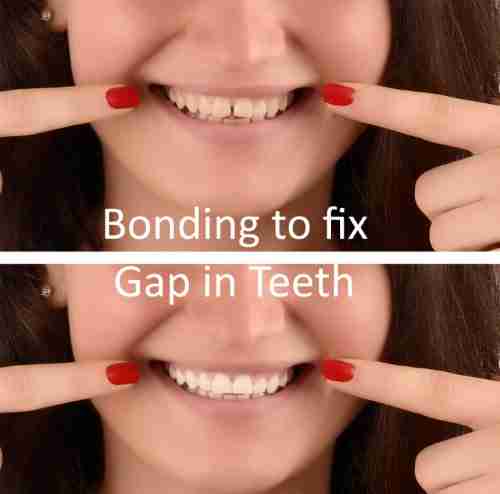
Gaps between teeth
Short or oddly shaped teeth
Tooth bonding is less invasive and more affordable than other dental procedures like veneers or crowns.
When Tooth Bonding Might Not Be Up Your Alley
Despite its perks, tooth bonding isn’t for everyone. It’s not the best long-term solution for significant dental issues, and the resin material isn’t as strong as your natural teeth. Heavy chewers or those with severe tooth decay might need to consider other options.
Understanding the Tooth Bonding Procedure
Don’t let the dentist’s chair give you the heebie-jeebies. Knowing what to expect can help calm those jitters.
Before the Procedure: Consultation and Preparation
Before anything else, you’ll have a consultation with your dentist. This is your chance to ask all your burning questions.
During the Procedure: Bonding in Action
During the tooth bonding procedure, your dentist will:
Choose a resin that matches your tooth color
Roughen the surface of the tooth and apply a conditioning liquid
Apply the resin, mold it to the right shape, and smooth it
Hardened the resin with a special light
Further trim and shape the resin, then polish it to match the rest of the tooth
The procedure typically takes 30 to 60 minutes per tooth.
After the Procedure: Recovery and Aftercare
There’s no significant recovery time for tooth bonding. You can eat and drink as usual after the procedure. However, the bonding material can chip, so avoid biting your nails or chewing on hard objects.
The Financial Factor: What’s the Damage?
Worried about breaking the bank? The cost of tooth bonding varies based on location, the extent of the procedure, and your dentist’s expertise. On average, you can expect to pay between $100 and $400 per tooth.
The Down Low on Durability
Tooth bonding isn’t forever. The longevity of the bonding depends on how much bonding was done and your oral habits. With proper care, tooth bonding can last between 4 to 8 years.
The Maintenance Machination
Taking care of your bonded teeth isn’t rocket science. It’s just like caring for your natural teeth. Regular brushing, flossing, and dental check-ups are your best bet.
Frequently Asked Questions
Is tooth bonding painful?
No, tooth bonding is typically pain-free. Anesthesia is generally not required unless the bonding is being used to fill a decayed tooth.
Can tooth bonding be whitened?
No, the bonding material does not respond to whitening agents the way natural teeth do. If you’re considering teeth whitening, it’s best to do it before the bonding procedure.
How often does tooth bonding need to be replaced?
Tooth bonding generally lasts between 4 to 8 years, depending on oral habits and the amount of bonding done. It may need to be replaced periodically.
Can tooth bonding fix gaps?
Absolutely! Tooth bonding is an excellent method for closing small gaps between teeth.
Does tooth bonding look natural?
Yes, the resin used in tooth bonding is matched to your natural tooth color. Once polished, it should blend seamlessly with the rest of your teeth.
Is tooth bonding covered by insurance?
Dental insurance policies vary greatly. Some may cover tooth bonding, especially when it’s done for structural reasons or to fill a cavity. Always check with your insurance provider to understand your coverage.
The Final Verdict: To Bond or Not to Bond?
Now, back to the big question, “Should I consider tooth bonding?” Only you can make that decision. But now, armed with all the facts, you’re in a better position to make an informed choice. Whether it’s for cosmetic reasons or to fix a minor dental issue, tooth bonding can be a simple and cost-effective solution. But remember, it’s not a one-size-fits-all solution.
In Conclusion
The world of dentistry is wide and complex, but hopefully, this guide has shed some light on one aspect of it – tooth bonding. The key takeaway is that tooth bonding is a viable solution for minor cosmetic dental issues. It’s affordable, minimally invasive, and can boost your confidence with a brighter, more even smile. Yet, it’s not without its limitations. Your unique dental situation will ultimately determine whether or not you should consider tooth bonding.
This isn’t just any old toothbrush; it’s like having a dental hygienist on standby in your bathroom. With a brush head that rotates, oscillates and pulsates to break up and remove more plaque than a regular manual toothbrush, it’s the secret weapon you need in your oral care arsenal.
But the magic doesn’t stop there! The Oral-B Pro 1000 ensures you’re brushing like a pro, thanks to its in-handle timer that pulses every 30 seconds, telling you when to switch areas of the mouth. After two minutes, you’ll have given your teeth the dentist-recommended brushing time. So, say goodbye to guesswork and hello to a more effective brushing routine!
Worried about being too hard on your pearly whites? Fear not! The Oral-B Pro 1000 has a pressure sensor that stops the pulsation movements if you brush too hard, protecting your gums from over-brushing.
And the cherry on top? This magnificent gadget is rechargeable, ensuring you’re never left in the lurch. The Oral-B Pro 1000‘s battery life lasts up to seven days, so it’s perfect even for those unexpected business trips or weekend getaways!
You deserve a dental care routine that works as hard as you do. So why wait? Upgrade your oral health game with the Oral-B Pro 1000 Rechargeable Electric Toothbrush today and flash the world that dazzling smile you’ve always dreamed of!
Remember, your smile is your greatest accessory, and the Oral-B Pro 1000 is your best tool to keep it sparkling. Don’t miss out; get yours today!
Hello, I’m Dr. Koumas, and I have been practicing dentistry in Newburgh, NY, for over 24 years. As a highly experienced dentist, I’ve encountered numerous dental issues and treatments, and today, I’d like to discuss the pros and cons of dental veneers. The topic “The Pros and Cons of Dental Veneers: Is It Right for You?” is quite essential, as dental veneers have become increasingly popular in recent years. Are they the right option for you? Let’s find out!
What are Dental Veneers?
Dental veneers are thin, custom-made shells crafted from porcelain or composite resin material that are designed to cover the front surface of your teeth. They are used primarily to improve the appearance of discolored, chipped, misaligned, or unevenly spaced teeth.
Porcelain vs. Composite Resin Veneers
There are two main types of dental veneers: porcelain and composite resin. Both have their advantages and disadvantages, which we’ll explore in the following section on “The Pros and Cons of Dental Veneers: Is It Right for You?”
The Pros of Dental Veneers
Let’s dive into the benefits of dental veneers:
Aesthetically Pleasing: Dental veneers provide a natural and attractive appearance, improving your smile’s overall look.
Stain Resistant: Porcelain veneers are resistant to stains, ensuring your smile remains bright and beautiful.
Long-lasting: With proper care, dental veneers can last anywhere from 10 to 15 years.
Quick Results: Veneers typically require only two to three dental visits to be completed.
Now, let’s discuss some of the potential drawbacks:
Cost: Dental veneers can be expensive, especially porcelain ones. However, their durability and appearance may justify the investment for some.
Irreversible: The process of placing veneers involves removing a thin layer of tooth enamel, making the procedure irreversible.
Sensitivity: Some patients may experience increased sensitivity to hot and cold temperatures after getting veneers.
Not Suitable for Everyone: Patients with severe tooth decay, gum disease, or teeth grinding habits may not be good candidates for veneers.
Is It Right for You? FAQs
How do I know if dental veneers are the right choice for me?
Schedule a consultation with Dr. Koumas or another experienced dentist to discuss your specific dental concerns, goals, and budget. We’ll help you determine if veneers are the best option for you.
How long does the dental veneer procedure take?
The dental veneer procedure typically requires two to three visits, including the initial consultation, tooth preparation, and veneer placement.
Can dental veneers be repaired or replaced?
Yes, dental veneers can be repaired or replaced if they chip, crack, or become discolored. However, this will require an additional dental visit and may incur additional costs.
Does Dr. Koumas do veneers?
Yes! In fact, Dr. Koumas is one of the best dentists in the area when it comes to prepping and placing veneers. Give our office a call at (845)562-1108 today to schedule your veneer consultation!
Conclusion
Dental veneers are an excellent option for many patients looking to improve the appearance of their smile. They offer numerous benefits, including a natural appearance, stain resistance, and durability. However, they also come with some drawbacks, such as cost, irreversibility, and potential sensitivity. Ultimately, the decision to get dental veneers is a personal one that should be made in consultation with an experienced dentist like myself.
By considering “The Pros and Cons of Dental Veneers: Is It Right for You?” and discussing your specific dental concerns and goals with your dentist, you can make an informed decision about whether dental veneers are the right choice for your smile. Keep in mind that every patient is unique, and what works for one person may not be the best option for another.
If you’re considering dental veneers or have any other dental concerns, I invite you to visit my dental office at 4 Hudson Valley Professional Plaza in Newburgh, NY. With over 24 years of experience, I am confident that I can help you achieve the smile you’ve always wanted. To schedule a consultation or learn more about the services I offer, please don’t hesitate to call my office at (845) 562-1108. I look forward to helping you on your journey to a healthier, more beautiful smile!
Hey there, folks! I’m Dr. Koumas, a dentist in Newburgh NY with over 24 years of experience, and I’m here to help you navigate the choppy waters of dental emergencies. In this article, I’ll be sharing my top 5 dental emergencies and providing you with guidance on how to handle them. Dental emergencies can strike at any time, and when they do, it’s crucial to know what to do. So, buckle up and get ready to learn about the top 5 dental emergencies and how to handle them like a pro!
The Top 5 Dental Emergencies and How to Handle Them
Knocked-Out Tooth
What to do:
Pick up the tooth by the crown (the top part), not the root.
Rinse it gently with water, but don’t scrub or remove any attached tissue.
If possible, try to place the tooth back into its socket, ensuring it’s facing the correct way.
If you can’t place it back, keep it moist by placing it in milk or a tooth preservation product.
Head to your dentist or an emergency dental clinic ASAP.
FAQs:
Can a knocked-out tooth be saved? Yes, if handled properly and seen by a dentist within an hour.
What if it’s a baby tooth? Don’t try to reinsert it; instead, head to your dentist for advice.
Severe Toothache
What to do:
Rinse your mouth with warm water.
Use dental floss to gently remove any trapped food.
Apply a cold compress to the outside of the affected area.
Take over-the-counter pain relief medication, but avoid placing it directly on the tooth or gums.
See your dentist as soon as possible.
FAQs:
Can toothaches be prevented? Regular dental checkups, brushing, and flossing can help prevent toothaches.
What could be causing my toothache? Toothaches can result from various factors, including tooth decay, infection, or injury.
Broken or Chipped Tooth
What to do:
Rinse your mouth with warm water.
Apply a cold compress to the affected area to reduce swelling.
If the tooth is painful, take over-the-counter pain relief medication.
See your dentist immediately.
FAQs:
Can a broken or chipped tooth be repaired? Yes, treatments like dental bonding, veneers, or crowns can help.
How can I prevent breaking or chipping my teeth? Avoid chewing on hard objects and wear a mouthguard during sports activities.
Lost Filling or Crown
What to do:
If you find the crown, gently clean it and coat the inner surface with dental cement, toothpaste, or denture adhesive.
Try to reattach the crown temporarily.
If you’ve lost a filling, place dental cement or sugar-free gum in the cavity as a temporary solution.
See your dentist as soon as you can.
FAQs:
Can I replace a lost filling or crown myself? No, temporary fixes should only be used until you can see your dentist.
How long can I wait before seeing a dentist for a lost filling or crown? Don’t wait too long – try to see your dentist within a day or two to avoid further complications.
Abscessed Tooth
What to do:
Rinse your mouth with warm saltwater to help reduce pain and draw out the pus.
Take over-the-counter pain relief medication, but don’t place it directly on the tooth or gums.
Apply a cold compress to the affected area to alleviate swelling.
See your dentist or an emergency dental clinic immediately, as an abscess can lead to severe complications if left untreated.
FAQs:
What is an abscessed tooth? It’s a painful infection at the root of a tooth or between the tooth and gum.
How can I prevent an abscessed tooth? Regular dental checkups, proper oral hygiene, and addressing dental issues promptly can help prevent abscesses.
Conclusion
There you have it – the top 5 dental emergencies and how to handle them! Remember, the key to dealing with any dental emergency is to act quickly and seek professional help as soon as possible. By following the advice I’ve shared, you can take the first steps toward finding relief and getting your dental health back on track.
And if you find yourself in need of a dentist in the Newburgh, NY area, I’d be more than happy to help. My dental office is located at 4 Hudson Valley Professional Plaza in Newburgh, NY, and you can reach us by phone at (845) 562-1108. Don’t hesitate to give us a call, and let me put my 25 years of experience to work for you!
FAQs
What are dental emergencies?
Dental emergencies are situations that require immediate attention from a dental professional to alleviate pain, prevent further damage, or address potentially serious oral health issues. If you think you are experiencing a dental emergency, it is essential to contact a dentist like Dr. Koumas at (845) 562-1108 immediately.
What are the types of dental emergencies?
Some common dental emergencies include:
Severe toothache: Intense, persistent pain in a tooth may indicate an infection, decay, or an abscess. Immediate treatment is necessary to prevent complications and relieve pain.
Chipped or broken tooth: Accidents or trauma can lead to chipped or broken teeth. Prompt dental care is needed to prevent further damage, infection, or the need for a tooth extraction.
Knocked-out tooth: If a tooth is knocked out due to an accident or injury, it is crucial to see a dentist immediately. In some cases, the tooth can be reimplanted if treated within an hour of the incident.
Lost or damaged dental work: If you lose a filling, crown, or other dental restoration, it is important to contact your dentist as soon as possible to prevent further damage or complications.
Swelling or infection: Facial swelling, particularly around the mouth or jaw, can be a sign of a dental infection, abscess, or other serious issue. Immediate treatment is necessary to address the underlying cause and prevent complications.
Dental abscess: A dental abscess is a painful, pus-filled infection that occurs around the root of a tooth or in the gum. If left untreated, it can spread to other parts of the body and cause serious health problems.
Uncontrolled bleeding: If you experience excessive bleeding after a dental procedure or due to an injury, it is crucial to seek emergency dental care immediately.
Remember, if you are suffering from a dental emergency, don’t hesitate to call Dr. Koumas at (845) 562-1108 right away for professional advice and care.